



Plastics in agrifood systems: impact pathways through a One Health lens
United Nations Food and Agricultural organization
Plastics have revolutionized food production, protection, and transportation, but their impact during and after use raises concerns. In agrifood systems, plastics can affect soils, animals, humans, and the environment, highlighting the need for a One Health approach to sustainable management.
Stay updated by subscribing to our channel: FAO on YouTube. Follow FAO on social media: Facebook, Instagram, LinkedIn, TikTok, X, and Weibo.
You might also like

Forest and landscape restoration is transforming degraded lands and improving lives globally. This video, produced for The State of the World’s Forests 2026 (SOFO 2026), highlights restoration efforts from Africa's Great Green Wall to China's Three-North Program, and from Türkiye's Murat River watershed to North America's Great Lakes. These case studies demonstrate how restoration can recover ecosystems, enhance l...
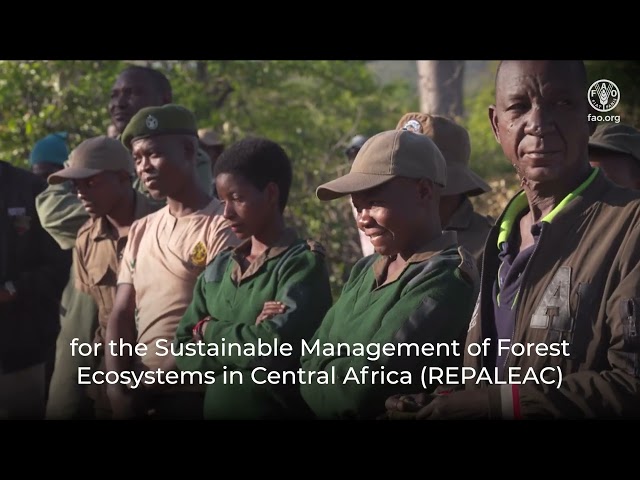
In this interview, Joseph Itongwa Mukumu, Regional Coordinator of REPALEAC, discusses how forest monitoring and land tenure data can empower Indigenous Peoples in Central Africa to protect their territories and rights. He emphasizes the need to integrate traditional knowledge with national forest monitoring data. The collaboration between the FAO and REPALEAC aims to enhance the documentation of Indigenous territo...

Agrifood systems worldwide face increasing pressure from climate shocks, conflict, and economic uncertainty. Urgent action and stronger partnerships are essential to secure food security and nutrition for all. FAO's Strategy for Private Sector Engagement 2026–2030 outlines an action-oriented, transparent approach to collaborate with the private sector. This strategy aims to drive innovation, mobilize investment, a...

In Lumajang, East Java, Indonesia, the FAO's One Country, One Priority Product (OCOP) initiative is enhancing the ladyfinger banana value chain using the Geographical Indications, Environment, and Sustainability (GIES) methodology. The first GIES station in Indonesia employs advanced monitoring technology, IoT, and environmental data to improve agricultural traceability and farming practices while boosting product...
Environmental Scientist and Advocate

