




Special Collections:
Biodiversity
Florida panthers are being boxed in. With likely fewer than 200 remaining in the wild, they are confined to shrinking pockets of habitat in southwest Florida, cut off by development and forced into dangerous crossings just to survive. Now, yet another large-scale residential and commercial project threatens to eliminate nearly 5,000 more acres of their remaining habitat. The result is predictable and devastating: more roads, more vehicle strikes, and more deadly conflict over what little space is left. That’s why the Center for Biological Diversity and our partners are in court, challenging the federal approvals that allowed this destruction to move forward. Help support our fight to protect Florida panthers before it’s too late. Photo/Video Credits: RodneyCammauf Klaus J.Peter Tom Mortenson David Shindle

Another week of environmental fights and legal battles here at the Center. From the Trump administration approving continued use of atrazine and reviving cyanide “bombs” on public lands, to new border wall contracts tied to Big Bend, there’s a lot happening right now that deserves attention. But there’s resistance too — including new lawsuits to protect marine wildlife, growing wolf recovery in California, and renewed pushes to defend grizzlies and endangered sea turtles. These stories are shaping the future of wildlife and public lands in real time. Follow for weekly updates, and take action against M-44 cyanide bombs at the link in our bio. #wildlifeconservation #atrazine #pesticides #endangeredspecies

Ancient trees in Alaska’s Tongass rainforest could soon be destroyed by federal logging plans. The U.S. Forest Service wants to revive a massive timber sale that would clear-cut nearly 1,655 acres of old-growth habitat relied on by Alexander Archipelago wolves, Pacific salmon, Queen Charlotte goshawks, and countless other species. These forests are also a natural buffer against climate change, storing immense amounts of carbon that would be released if trees are cut. Tell the Forest Service to scrap this destructive proposal and keep these centuries-old trees standing. © 2026

Bad news: An Alaska Superior Court just ruled that the state can continue its Mulchatna bear control program and kill an unlimited number of black and brown bears across roughly 40,000 square miles of southwest Alaska this summer. The state claims it’s to boost a struggling caribou herd, but there is no scientific evidence that shows killing bears will help. “This unlawful plan has irreversible consequences, and I’m concerned that state game agents could start killing bears before this case is resolved,” said Cooper Freeman, Alaska director at the Center for Biological Diversity. “We want to see the caribou herd thrive, but the state simply hasn’t shown that the unrestrained killing of bears is going to help us get there. We need to stop this disgraceful waste of the state’s limited resources and work based on science to protect all our wildlife.” We’ve teamed up with Alaska Wildlife Alliance to do all that we can to stop this program. Share this video and support the Center’s Alaska team in this fight. [Video description: A woman in a car expresses the dire situation for bears in Alaska. A press release appears on screen confirming the facts, and a brown bear jumps into fresh water.]

The Alaska Department of Fish and Game says killing bears will save the struggling Mulchatna caribou herd. But scientists and conservation groups, including the Center for Biological Diversity, say the science behind this massive bear-killing program just doesn’t hold up. The herd declined from around 200,000 caribou in the late 1990s to about 16,000 today. Independent experts say bears aren’t the reason. Disease and lack of food, made worse by climate change, are driving the decline. Despite that, Alaska authorized the killing of an unlimited number of brown bears across 40,000 square miles. Courts have already ruled against the program for lacking credible scientific support. Killing bears won’t create long-term recovery for caribou. Wildlife management should be rooted in science, sustainability, and protecting entire ecosystems; not scapegoating and slaughtering bears. The Center for Biological Diversity will always take an uncompromising stance to protect wildlife. Please share this video to help make noise about what’s happening in Alaska. And if you want to support our fight for bears, caribou, and wild ecosystems, donate at the link in bio. [Video Description: A woman sits at a colorful table speaking directly to camera about Alaska’s bear-killing program while footage and photos of brown bears and Mulchatna caribou appear on screen throughout the video.] Photo credits: USFWS #wildlifeconservation #alaska #alaskabears

To us, every day is Endangered Species Day. The extinction crisis looms over our planet, threatening everything from whales in our oceans to wildflowers in the desert, wolves in the mountains, and butterflies in our backyards. For the past 37 years, the Center for Biological Diversity has stood on the front lines fighting for species big and small — in the courts, in communities, and in the wild places they call home. We’ve helped win protections for hundreds of imperiled species and more than 700 million acres of habitat because every species matters. Every wolf pack. Every sea turtle hatchling. Every ancient redwood tree. Every living thing fighting to survive in a rapidly changing world. This work has never been more urgent. But hope for the future is in the work we d Because when people come together to fight for the wild, we win. And we will never stop fighting for a future where endangered species are not just remembered — but alive, thriving, and protected for generations to come. For the wild. 🌎

Every species deserves a future. Today is Endangered Species Day, but for us the fight to save wildlife happens every day. From sea turtles to wolves, pollinators to ancient forests, the extinction crisis threatens countless species across the planet. For nearly four decades, the Center for Biological Diversity has fought to protect the wild places animals call home; and we’re not stopping now. Today, your impact goes twice as far: all donations matched. Join us in defending the wild before it’s too late. 🌎

New video from a remote camera in southern Arizona's Sky Islands captured a rare jaguar, "Cinco," moving through the area in March and April, alongside bears and mountain lions. First filmed in 2025, this sighting underscores the jaguar's rightful place, despite threats like border wall construction, mining, and drought. Jaguars, the world's third-largest cats, once ranged extensively across the U.S. Southwest.
The Center for Biological Diversity, a Tucson-based nonprofit, works to protect endangered species and their habitats through science, law, and creative media. Their mission is to secure a future for all species and preserve a wild world. Learn more at their website or connect on social media: Twitter, Facebook, Instagram, TikTok.

Alaska has confirmed a plan to kill an unlimited number of bears across 40,000 square miles, including near national park borders. Game agents will shoot bears from helicopters. This controversial initiative aims to boost a struggling caribou herd, despite a lack of scientific evidence that bear culling will be effective or address the caribou's underlying issues.
The Center for Biological Diversity has sued to stop this cruel and illegal plan. Your support is vital to help protect Alaska’s bears.

Florida panthers, with likely fewer than 200 remaining, are confined to shrinking habitats in southwest Florida. Development isolates them, forcing dangerous crossings and increasing threats to their survival.
A new large-scale project now threatens nearly 5,000 more acres, promising more roads, vehicle strikes, and deadly conflicts over diminishing space.
The Center for Biological Diversity and partners are challenging federal approvals in court to stop this destruction. Please support our fight to protect these panthers before it's too late.

The Endangered Species Act (ESA) secured a major victory last week as growing opposition halted the House of Representatives' effort to roll back this vital wildlife protection law. As Executive Director Kierán Suckling notes, the ESA is one of the world's most effective conservation laws, having prevented 99% of protected species, including bald eagles and gray wolves, from extinction.
This triumph benefits countless species like whales, sea turtles, and monarch butterflies, underscoring the power of collective voices. We extend our deepest gratitude to all Center supporters whose advocacy made this win for the wild possible.

California's iconic redwoods are at risk from a Highway 101 expansion. This project threatens to cut into the essential root systems of ancient trees on the North Coast, leading to their weakening, decline, and death. With less than 5% of original redwood forests remaining, these vital ecosystems cannot recover once damaged.
Governor Gavin Newsom has the authority to stop this plan. Urge him to protect these irreplaceable redwoods before it's too late. Act Now.

This weekly roundup shares environmental news and our work to protect wildlife and wild places. We address critical issues and celebrate our successes.
We are actively winning cases, upholding the Endangered Species Act, and protecting wildlife against destructive projects and new threats. These vital fights unfold in our forests, rivers, and communities—our founding purpose.
Follow our progress, stay informed, and share. Join our fight for the wild at biodiv.us/join.

Tune in for live updates on the "Alligator Alcatraz Case" from the Center's Florida and Caribbean Director. Get the latest on the lawsuit to protect Big Cypress National Preserve.
The Center for Biological Diversity, Friends of the Everglades, Earthjustice, and the Miccosukee Tribe sued the U.S. Department of Homeland Security and other agencies to halt a project impacting the Everglades. This vital ecosystem, designated an endangered UNESCO World Heritage site in 2010, is the Western Hemisphere's largest mangrove system and a critical bird breeding ground.
Read our most recent press release: Florida Banked on $1.4 Billion in Federal Funds for Everglades Detention Center

The Tongass National Forest, a vast old-growth rainforest and home to Alaskan black bears, is a crucial natural defense against the climate crisis. The Center for Biological Diversity, a 501c3 nonprofit, works to protect such vital ecosystems and secure a future for all species, recognizing that human welfare is deeply linked to nature's diversity.
Through science, law, and creative media, we focus on protecting the lands, waters, and climate species need to survive, ensuring future generations inherit a world where the wild is still alive. Connect with us: [Website](https://www.biologicaldiversity.org), [Twitter](https://twitter.com/CenterForBioDiv), [Facebook](https://www.facebook.com/CenterforBioDiv), [Instagram](https://www.instagram.com/centerforbiodiv), [TikTok](https://www.tiktok.com/@centerforbiodiv), [Take Action](https://www.biologicaldiversity.org/action/alerts). For inquiries, email [center@biologicaldiversity.org](mailto:center@biologicaldiversity.org).

The Trump administration is threatening Big Bend National Park, a national heritage site, by planning to wall off river access points. This 517-mile sector, a vital part of the U.S.-Mexico border, faces imminent construction.
Such a wall would cut off wildlife from the Rio Grande, their sole water source, destroy cultural sites, and lock the river behind steel. This move reflects a disturbing disregard for public lands, seen as political vandalism rather than security.
Join the fight to protect Big Bend. Learn more at www.biologicaldiversity.org/campaigns/border_wall/. Contact your Congressional representatives at 202-224-3121 and urge them to strip federal funding for border wall construction in the region.

The Trump administration is pushing to construct a border wall through Big Bend National Park, a crown jewel of America's national heritage. These plans would wall off critical river access points, isolating wildlife from their only water source, the Rio Grande. Such construction would also destroy cultural sites and lock the river behind a steel barrier, an act of political vandalism, not security.
We have been fighting border wall construction for years. Learn more about our work: www.biologicaldiversity.org/campaigns/border_wall/. Join the fight: call your Congressional representatives at 202-224-3121. Urge them to protect Big Bend by stripping federal funding for border walls in the region.

The Center for Biological Diversity is again under attack. Far-right congressmen on the House Resources Committee have launched a baseless "investigation" against us for protecting the Arctic and polar bears from an oil conglomerate. Our Executive Director, Kierán, denounced this as a weaponization of government power, a smear tactic by oil-funded politicians to silence environmental advocates.
This "investigation" is a politically motivated witch hunt, devoid of legal merit and making absurd accusations. To combat this antidemocratic power-mongering and defend our critical work, we've established the Freedom Defense Fund. Your support is crucial to our survival against these persistent threats. Please donate today, or consider a monthly contribution to sustain our defense.
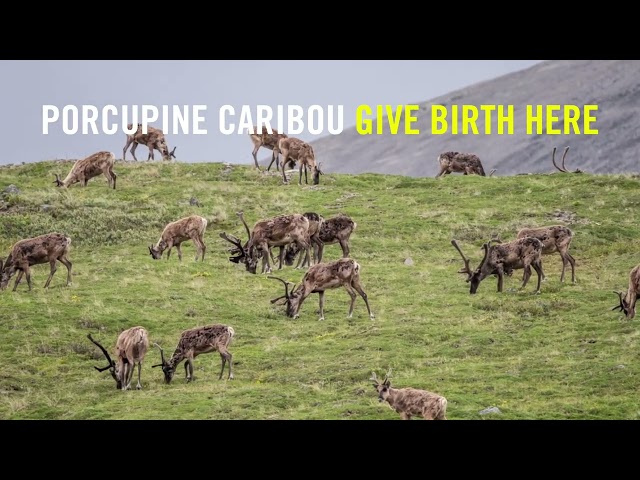
The Trump administration is initiating oil and gas lease sales in the Arctic National Wildlife Refuge's Coastal Plain, inviting companies to identify drilling sites. This 1.56-million-acre area is the biological heart of the Arctic Refuge, vital for the Porcupine caribou herd, migratory birds, and polar bears.
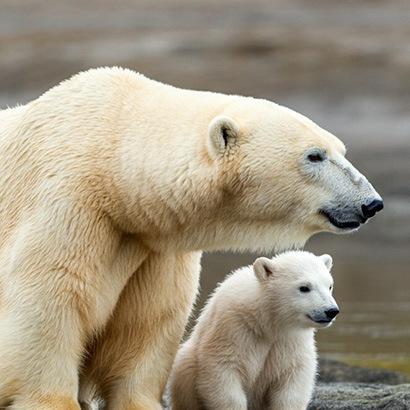
Industrializing this irreplaceable sanctuary will harm wildlife and accelerate climate change. The Arctic is already warming four times faster than the rest of the planet. Drilling will displace animals, endanger polar bear families, and pollute air and water, fueling a climate disaster. Past lease sales have failed due to public demand for protection over short-term corporate profit. Stand up for the Coastal Plain.

The America the Beautiful Annual Pass, used by over a million visitors, grants entry to national parks and federal lands. The 2026 pass was legally mandated to feature a Glacier National Park photograph. However, the Trump administration instead inserted the president's image, reportedly discouraging sales and potentially voiding passes if the image is covered.
A new bill, the Prohibit Partisan Park Passes Act, seeks to ban images of living political figures on park passes. This aims to ensure public lands remain neutral spaces for all Americans, free from partisan politics.
U.S. residents should contact their representatives to support this act, ensuring passes feature natural beauty and wildlife, not political figures.
Environmental Scientist and Advocate
What EarthSayers stands for
Discover Diverse Voices on EarthSayers
Unlike algorithm-driven platforms that push you into a content bubble, we ensure you hear a variety of perspectives from scientists, activists, Indigenous leaders, business innovators, and everyday citizens working toward sustainability.
EarthSayers CINEMA
Watch, learn and lead—sustainability starts with you.
The Thinking Game | Full documentary | Tribeca Film Festival official selection
“The Thinking Game” is the inside story of DeepMind's groundbreaking AI research, culminating in the Nobel Prize-winning AlphaFold breakthrough. Filmed over five years by the award-winning team behind "AlphaGo," this documentary explores co-founder Demis Hassabis's lifelong pursuit of artificial general intelligence and the rigorous scientific journey from mastering strategy games to solving the 50-year-old protein folding problem.
Following its world premiere at the Tribeca Festival, "The Thinking Game" is now available to watch for free. For those interested in hosting a screening for a classroom, community, or workplace, visit: rocofilms.com/films/the-thinking-game/.


