




Special Collections:
Food Security
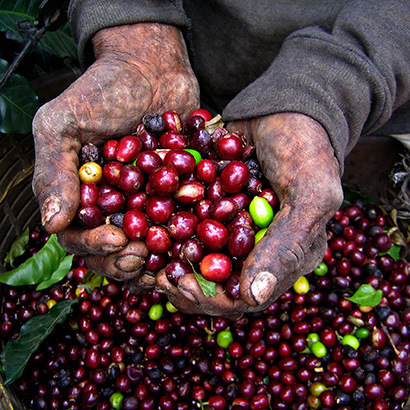

In a step aimed at supporting the resilience of the agricultural sector amid current challenges, the Lebanese Ministry of Agriculture, in collaboration with the Food and Agriculture Organization of the United Nations, funded by the Government of Canada, has launched a comprehensive virtual training programme targeting farmers across various regions of Lebanon. The program aims to help farmers strengthen apple and vegetable value chains while preparing for the upcoming agricultural season. It also includes gender and protection. Originally planned as in-person sessions, the training has been adapted to a fully online format using WhatsApp technical messages and interactive Q&A sessions to ensure continuity, safety, and broad reach across Lebanon. Follow FAO on social media! * Facebook - https://www.facebook.com/UNFAO * Instagram - https://instagram.com/fao * LinkedIn - https://www.linkedin.com/company/fao * TikTok - https://www.tiktok.com/@fao * Twitter - http://www.twitter.com/fao/ * Weibo - https://www.weibo.com/unfao © FAO: http://www.fao.org #SDGs #Agenda2030 #GlobalGoals

The Regional Digital Platform for Family Farming, led by the FAO Regional Office for Latin America and the Caribbean, promotes, since 2023, the Technical Exchange Cycle as a space for dialogue, cooperation and learning among countries, with a view to the development and implementation of tools, programs and policies that strengthen the sector, within the framework of the United Nations Decade of Family Farming (2019-2028). Following two editions focusing on family farming registries and public markets, this third edition will address a structural and intergenerational challenge that defines the future of agrifood systems: the inclusion and participation of rural youth in family farming. The first session, titled “Digital technologies in support of rural youth: Access, adoption, and use of technological tools in family farming”, organized jointly with the Specialized Meeting on Family Farming (REAF) of Mercosur and the youth initiative of the World Food Forum, analyzed the opportunities and challenges to strengthen productivity, improve access to information, financing, and networks through the use of technology. More information: https://www.fao.org/platforms/family-farming/main-initiatives/technical-exchanges/en Subscribe! http://www.youtube.com/subscription_center?add_user=FAOoftheUN Follow FAO on social media! * Facebook - https://www.facebook.com/UNFAO * Instagram - https://instagram.com/fao * LinkedIn - https://www.linkedin.com/company/fao * TikTok - https://www.tiktok.com/@fao * Twitter - http://www.twitter.com/fao/ * Weibo - https://www.weibo.com/unfao © FAO: http://www.fao.org #SDGs #Agenda2030 #GlobalGoals

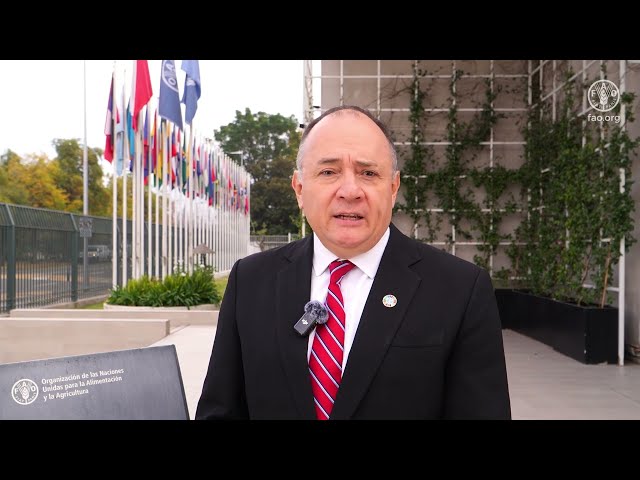
At the close of the 35th Session of FAO Regional Conference for Europe (ERC35), the Conference Secretary reflects on key outcomes and discussions. Held in Dushanbe, Tajikistan, the session united countries from across Europe and Central Asia to address climate challenges, food security and the future of agrifood systems. Subscribe! http://www.youtube.com/subscription_center?add_user=FAOoftheUN Follow FAO on social media! * Facebook - https://www.facebook.com/UNFAO * Instagram - https://instagram.com/fao * LinkedIn - https://www.linkedin.com/company/fao * TikTok - https://www.tiktok.com/@fao * Twitter - http://www.twitter.com/fao/ * Weibo - https://www.weibo.com/unfao © FAO: http://www.fao.org #SDGs #Agenda2030 #GlobalGoals #ERC35
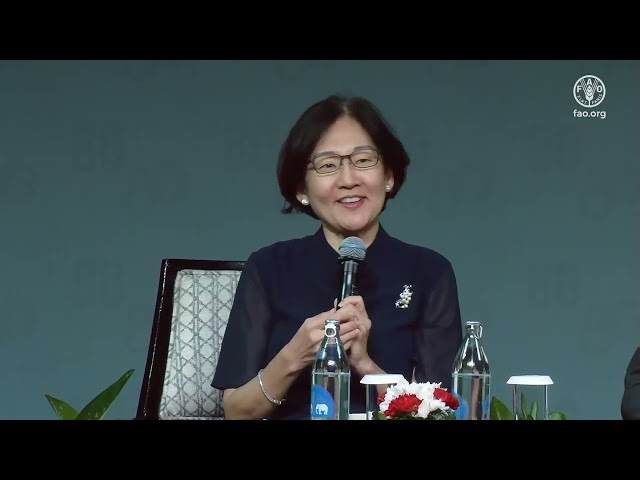
https://www.fao.org/digital-villages-initiative/en Expert panel session discusses the role of academia in fostering agrifood digitalization initiatives such as South East Asia Innovation Alliance, University og Sydney farmhand initiative in Mekong region, Saudi Alliance for Agriculture Technologies, Universities roles in digitalization in Republic of Korea, and Asean Universities Network Initiatives © FAO: http://www.fao.org Subscribe! http://www.youtube.com/subscription_center?add_user=FAOoftheUN Follow FAO on social media! * Facebook - https://www.facebook.com/UNFAO * Instagram - https://instagram.com/fao * LinkedIn - https://www.linkedin.com/company/fao * TikTok - https://www.tiktok.com/@fao * Twitter - http://www.twitter.com/fao/ * Weibo - https://www.weibo.com/unfao © FAO: http://www.fao.org #SDGs #Agenda2030 #GlobalGoals
Subscribe! http://www.youtube.com/subscription_center?add_user=FAOoftheUN Follow FAO on social media! * Facebook - https://www.facebook.com/UNFAO * Instagram - https://instagram.com/fao * LinkedIn - https://www.linkedin.com/company/fao * TikTok - https://www.tiktok.com/@fao * Twitter - http://www.twitter.com/fao/ * Weibo - https://www.weibo.com/unfao © FAO: http://www.fao.org #SDGs #Agenda2030 #GlobalGoals
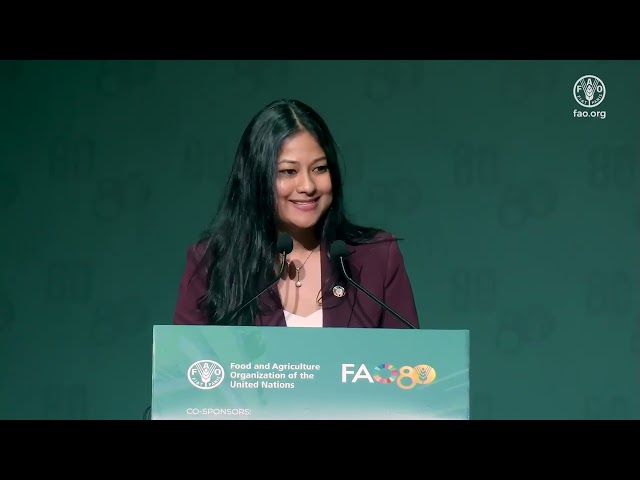
https://www.fao.org/digital-villages-initiative/en Welcoming speeches by FAO, ADB and IFAD senior officials and by Thailand MOAC Secretary General followed by an expert panel from Viet Nam, Saudi Arabia and Africa (Kuza Ltd) © FAO: http://www.fao.org Subscribe! http://www.youtube.com/subscription_center?add_user=FAOoftheUN Follow FAO on social media! * Facebook - https://www.facebook.com/UNFAO * Instagram - https://instagram.com/fao * LinkedIn - https://www.linkedin.com/company/fao * TikTok - https://www.tiktok.com/@fao * Twitter - http://www.twitter.com/fao/ * Weibo - https://www.weibo.com/unfao © FAO: http://www.fao.org #SDGs #Agenda2030 #GlobalGoals

https://www.fao.org/digital-villages-initiative/en Panel session with experts presenting on drone technology, remote sensing and other digital innovations in rice systems from China, Sri Lanka, Philllpines and from IRRI researchers © FAO: http://www.fao.org Subscribe! http://www.youtube.com/subscription_center?add_user=FAOoftheUN Follow FAO on social media! * Facebook - https://www.facebook.com/UNFAO * Instagram - https://instagram.com/fao * LinkedIn - https://www.linkedin.com/company/fao * TikTok - https://www.tiktok.com/@fao * Twitter - http://www.twitter.com/fao/ * Weibo - https://www.weibo.com/unfao © FAO: http://www.fao.org #SDGs #Agenda2030 #GlobalGoals

https://www.fao.org/digital-villages-initiative/en Expert discussion on digital technologies in livestock systems from the Republic of Korea, India, Tajikistan and Asia-Pacific (FAO) © FAO: http://www.fao.org Subscribe! http://www.youtube.com/subscription_center?add_user=FAOoftheUN Follow FAO on social media! * Facebook - https://www.facebook.com/UNFAO * Instagram - https://instagram.com/fao * LinkedIn - https://www.linkedin.com/company/fao * TikTok - https://www.tiktok.com/@fao * Twitter - http://www.twitter.com/fao/ * Weibo - https://www.weibo.com/unfao © FAO: http://www.fao.org #SDGs #Agenda2030 #GlobalGoals

https://www.fao.org/digital-villages-initiative/en Session discussed advanced in digital innovations in agrometeorology and weather information in agriculture from USA, India, LAO PDR and Asia from ADB and UNESCAP © FAO: http://www.fao.org Subscribe! http://www.youtube.com/subscription_center?add_user=FAOoftheUN Follow FAO on social media! * Facebook - https://www.facebook.com/UNFAO * Instagram - https://instagram.com/fao * LinkedIn - https://www.linkedin.com/company/fao * TikTok - https://www.tiktok.com/@fao * Twitter - http://www.twitter.com/fao/ * Weibo - https://www.weibo.com/unfao © FAO: http://www.fao.org #SDGs #Agenda2030 #GlobalGoals

Tajikistan is proudly hosting the Thirty-fifth Session of the FAO Regional Conference for Europe (ERC35) from 11 to 15 May 2026. The Conference brings together FAO Members from across Europe and Central Asia to engage in strategic dialogue on the most pressing food and agriculture issues facing the region. The Session convenes government representatives alongside participants from United Nations programmes, specialized agencies and funds, as well as observers from intergovernmental and non-governmental organizations, research and academia, the private sector and civil society. It provides a key regional platform for exchange, reflection and collective action. Held under the overarching theme “Uniting for sustainability”, the Conference focuses on how countries can better integrate climate action, biodiversity conservation and land restoration to advance sustainable, resilient and inclusive agrifood systems. Discussions recognize that addressing climate change, biodiversity loss and land degradation requires integrated and coherent approaches. In line with the FAO Strategic Framework 2022–2031, the Session considers pathways for sustainable natural resources management, climate adaptation and mitigation, and biodiversity conservation, contributing to better production, better nutrition, a better environment and a better life. The agenda also addresses external factors affecting food and agriculture, including the impact of multiple, overlapping crises in Europe and Central Asia. Drawing on region-specific risk analysis, Members review mitigation efforts to date and discuss inclusive, gender-responsive and innovative approaches to strengthening agrifood system resilience. A dedicated focus is placed on agrifood system financing, examining how investment can be redirected and scaled up to support sustainability, resilience and inclusion. Members are invited to share experiences, identify opportunities and provide guidance on FAO’s programme of work in the region. Additional agenda items include the implications of the war in Ukraine for food security and agriculture, as well as strategic foresight and future analysis to better understand current pressures and their influence on future trends. The Conference will also review the results of FAO’s work in Europe and Central Asia during 2024–2025 and discuss priorities for 2026–2027 and beyond, taking into account evolving global and regional challenges and their implications for implementing the FAO Strategic Framework. Subscribe! http://www.youtube.com/subscription_center?add_user=FAOoftheUN Follow FAO on social media! * Facebook - https://www.facebook.com/UNFAO * Instagram - https://instagram.com/fao * LinkedIn - https://www.linkedin.com/company/fao * TikTok - https://www.tiktok.com/@fao * Twitter - http://www.twitter.com/fao/ * Weibo - https://www.weibo.com/unfao © FAO: http://www.fao.org #SDGs #Agenda2030 #GlobalGoals

Dive into the hidden world of deep sea sharks—one of the ocean’s most mysterious and least understood groups. With over 500 species living in darkness, these incredible animals have evolved glowing eyes, light-producing abilities, and other unique adaptations to survive. From the long-living Greenland shark to newly discovered species, much remains unknown. This video explores how scientists and fishers and fisheries management organizations are working together through the Common Oceans Deep Sea Fisheries Project to uncover their secrets and protect them for future generations. https://www.fao.org/in-action/commonoceans/newsroom/news-and-stories/news-detail/understanding-the-hidden-lives-of-deep-sea-sharks/en https://www.fao.org/in-action/commonoceans/what-we-do/deep-sea-fisheries/en Subscribe! http://www.youtube.com/subscription_center?add_user=FAOoftheUN Follow FAO on social media! * Facebook - https://www.facebook.com/UNFAO * Instagram - https://instagram.com/fao * LinkedIn - https://www.linkedin.com/company/fao * TikTok - https://www.tiktok.com/@fao * Twitter - http://www.twitter.com/fao/ * Weibo - https://www.weibo.com/unfao © FAO: http://www.fao.org #SDGs #Agenda2030 #GlobalGoals

https://www.fao.org/digital-villages-initiative/en This session brought experts to discuss on two related tracks - innovations in water management from India, Nepal and Netherlands and on digital technologies and innovations in fisheries from Philippines, Japan, Asia-Pacific and globally © FAO: http://www.fao.org Subscribe! http://www.youtube.com/subscription_center?add_user=FAOoftheUN Follow FAO on social media! * Facebook - https://www.facebook.com/UNFAO * Instagram - https://instagram.com/fao * LinkedIn - https://www.linkedin.com/company/fao * TikTok - https://www.tiktok.com/@fao * Twitter - http://www.twitter.com/fao/ * Weibo - https://www.weibo.com/unfao © FAO: http://www.fao.org #SDGs #Agenda2030 #GlobalGoals

https://www.fao.org/digital-villages-initiative/en This session brought forestry experts from FAO and Thailand to discuss on digital applications in sustainable forest management, fire monitoring, forest supply chains and traceability in production and trade © FAO: http://www.fao.org Subscribe! http://www.youtube.com/subscription_center?add_user=FAOoftheUN Follow FAO on social media! * Facebook - https://www.facebook.com/UNFAO * Instagram - https://instagram.com/fao * LinkedIn - https://www.linkedin.com/company/fao * TikTok - https://www.tiktok.com/@fao * Twitter - http://www.twitter.com/fao/ * Weibo - https://www.weibo.com/unfao © FAO: http://www.fao.org #SDGs #Agenda2030 #GlobalGoals
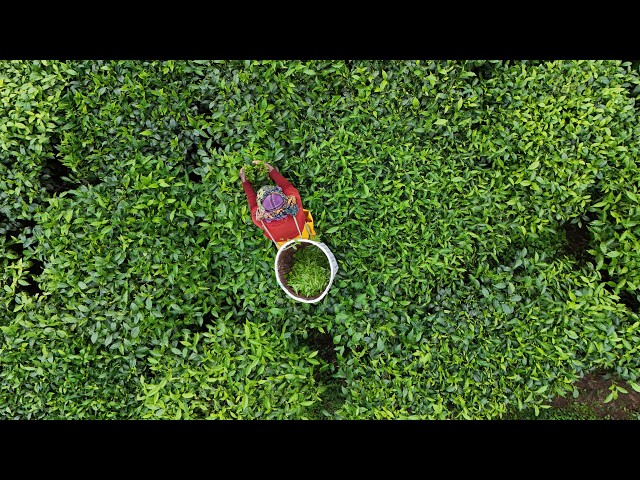
Rwanda is developing a new strategy for its tea sector, with support from FAO. The strategy prioritises premium-quality tea production, aiming to strengthen the value chain, boost output, and improve the livelihoods of smallholder farmers facing increasing challenges from the climate crisis, rising fertiliser costs, and competition from regional markets. Subscribe! http://www.youtube.com/subscription_center?add_user=FAOoftheUN Follow FAO on social media! * Facebook - https://www.facebook.com/UNFAO * Instagram - https://instagram.com/fao * LinkedIn - https://www.linkedin.com/company/fao * TikTok - https://www.tiktok.com/@fao * Twitter - http://www.twitter.com/fao/ * Weibo - https://www.weibo.com/unfao © FAO: http://www.fao.org #SDGs #Agenda2030 #GlobalGoals

Climate change, soil degradation, and increasing water scarcity are threatening food production worldwide, while many nutritious and drought-resilient indigenous crops risk disappearing. Through the Addressing Water Scarcity in Agriculture and the Environment (AWSAMe) initiative, FAO is promoting opportunity crops to strengthen resilience, improve nutrition, and support sustainable livelihoods. In Malawi, AWSAMe is promoting opportunity crops such as sorghum and cowpeas, helping communities address climate change and water scarcity while improving food security and nutrition. © Nolipher Mponya, Ishmael Jolofani and Nakali Mandolo https://www.fao.org/wasag/awsame-initiative/en Subscribe! http://www.youtube.com/subscription_center?add_user=FAOoftheUN Follow FAO on social media! * Facebook - https://www.facebook.com/UNFAO * Instagram - https://instagram.com/fao * LinkedIn - https://www.linkedin.com/company/fao * TikTok - https://www.tiktok.com/@fao * Twitter - http://www.twitter.com/fao/ * Weibo - https://www.weibo.com/unfao © FAO: http://www.fao.org #SDGs #Agenda2030 #GlobalGoals

In the Rupununi Region of Guyana, Indigenous communities are strengthening their role in protecting biodiversity, culture and traditional lands. With support from the Sustainable Wildlife Management (SWM) Programme , 10 Amerindian villages have developed Free, Prior and Informed Consent (FPIC) guidelines to help shape decisions affecting their future. The SWM Programme is an international initiative, co-funded by the European Union, the French Facility for Global Environment and the French Development Agency. It is being implemented by the Food and Agriculture Organization of the United Nations (FAO), the French Agricultural Research Centre for International Development (CIRAD), the Centre for International Forestry Research (CIFOR-ICRAF) and the Wildlife Conservation Society (WCS). Find out more: https://www.fao.org/in-action/swm-programme Subscribe! http://www.youtube.com/subscription_center?add_user=FAOoftheUN Follow FAO on social media! * Facebook - https://www.facebook.com/UNFAO * Instagram - https://instagram.com/fao * LinkedIn - https://www.linkedin.com/company/fao * TikTok - https://www.tiktok.com/@fao * Twitter - http://www.twitter.com/fao/ * Weibo - https://www.weibo.com/unfao © FAO: http://www.fao.org #SDGs #Agenda2030 #GlobalGoals
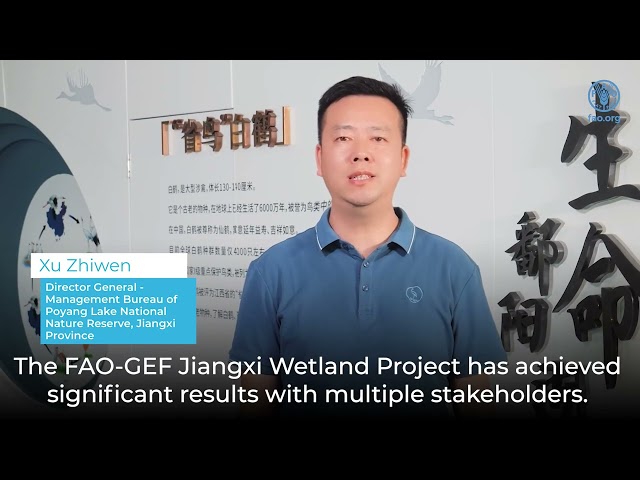
https://www.fao.org/gef In Jiangxi, home to over 700,000 migratory birds and China’s largest freshwater lake, the FAO-GEF Jiangxi Wetland Project is helping restore harmony between people and nature. From protecting Siberian Cranes and restoring wetlands to empowering local communities through sustainable livelihoods and co-management, the project has achieved shared prosperity through conservation. Rated “Highly Satisfactory,” it stands as a landmark model for wetland protection, biodiversity conservation, and international cooperation. © FAO: http://www.fao.org Subscribe! http://www.youtube.com/subscription_center?add_user=FAOoftheUN Follow FAO on social media! * Facebook - https://www.facebook.com/UNFAO * Instagram - https://instagram.com/fao * LinkedIn - https://www.linkedin.com/company/fao * TikTok - https://www.tiktok.com/@fao * Twitter - http://www.twitter.com/fao/ * Weibo - https://www.weibo.com/unfao © FAO: http://www.fao.org #SDGs #Agenda2030 #GlobalGoals

Discover how sustainable beekeeping in Southern Zambia is helping protect forests, support biodiversity, and strengthen community livelihoods. Supported by the Sustainable Wildlife Management (SWM) Programme and funded by the European Union, this World Bee Day 2026 impact video highlights the vital connection between pollinators, conservation, and resilient food systems. Through the stories of local beekeepers, see how honey production is creating opportunities for people while safeguarding nature for future generations. The SWM Programme is an international initiative, co-funded by the European Union, the French Facility for Global Environment and the French Development Agency. It is being implemented by the Food and Agriculture Organization of the United Nations (FAO), the French Agricultural Research Centre for International Development (CIRAD), the Centre for International Forestry Research (CIFOR-ICRAF) and the Wildlife Conservation Society (WCS). Find out more: https://www.fao.org/in-action/swm-programme Subscribe! http://www.youtube.com/subscription_center?add_user=FAOoftheUN Follow FAO on social media! * Facebook - https://www.facebook.com/UNFAO * Instagram - https://instagram.com/fao * LinkedIn - https://www.linkedin.com/company/fao * TikTok - https://www.tiktok.com/@fao * Twitter - http://www.twitter.com/fao/ * Weibo - https://www.weibo.com/unfao © FAO: http://www.fao.org #SDGs #Agenda2030 #GlobalGoals

The Strait of Hormuz has been effectively closed since February 28. As of May 18th, 2026, it remains shut. The chokehold on global energy and fertilizer supplies keeps expanding through agrifood systems worldwide. In this special episode of The Work We Do, we discuss the short, medium, and long-term structural policy solutions to the global agrifood impacts of the closure of the Strait of Hormuz. Host: Katrin Park Producer: Eduardo De La Chica Copyright: FAO 00:00 Introduction 01:47 Trade recommendations 04:48 Emergency measures 07:01 Targeted social protection 08:35 Broad subsidies 13:23 Biofuel competition 16:45 Financing farmers 25:32 Infrastructure resilience 27:38 Energy diversification 32:06 Organic fertilizer 33:04 Soil maps 39:04 Macroeconomic stability Subscribe! http://www.youtube.com/subscription_center?add_user=FAOoftheUN Follow FAO on social media! * Facebook - https://www.facebook.com/UNFAO * Instagram - https://instagram.com/fao * LinkedIn - https://www.linkedin.com/company/fao * TikTok - https://www.tiktok.com/@fao * Twitter - http://www.twitter.com/fao/ * Weibo - https://www.weibo.com/unfao © FAO: http://www.fao.org #SDGs #Agenda2030 #GlobalGoals

This video highlights the High-Level Inter-regional Knowledge Exchange on the One Country One Priority Product (OCOP) initiative, held in Viet Nam on 15–16 July 2025. Bringing together ministers, policymakers, technical experts, and partners from Africa and Asia, the event facilitated the exchange of experiences and innovations aimed at transforming agrifood systems through the promotion of Special Agricultural Products (SAPs). The video showcases how the FAO OCOP initiative leverages science, technology, innovation, and cultural heritage to advance the FAO “Four Betters” framework — Better Production, Better Nutrition, Better Environment, and Better Life. Through country testimonials, high-level interventions, and exhibition highlights, the video underscores the role of interregional cooperation in enhancing productivity, sustainability, rural livelihoods, and inclusive economic development across participating countries. https://youtu.be/jZyXim0xe5M?list=PLzp5NgJ2-dK6rO-upy9l_N09q1LQPn282 Subscribe! http://www.youtube.com/subscription_center?add_user=FAOoftheUN Follow FAO on social media! * Facebook - https://www.facebook.com/UNFAO * Instagram - https://instagram.com/fao * LinkedIn - https://www.linkedin.com/company/fao * TikTok - https://www.tiktok.com/@fao * Twitter - http://www.twitter.com/fao/ * Weibo - https://www.weibo.com/unfao © FAO: http://www.fao.org #SDGs #Agenda2030 #GlobalGoals
Environmental Scientist and Advocate
What EarthSayers stands for
Discover Diverse Voices on EarthSayers
Unlike algorithm-driven platforms that push you into a content bubble, we ensure you hear a variety of perspectives from scientists, activists, Indigenous leaders, business innovators, and everyday citizens working toward sustainability.
EarthSayers CINEMA
Watch, learn and lead—sustainability starts with you.
The Thinking Game | Full documentary | Tribeca Film Festival official selection
“The Thinking Game” is the inside story of DeepMind's groundbreaking AI research, culminating in the Nobel Prize-winning AlphaFold breakthrough. Filmed over five years by the award-winning team behind "AlphaGo," this documentary explores co-founder Demis Hassabis's lifelong pursuit of artificial general intelligence and the rigorous scientific journey from mastering strategy games to solving the 50-year-old protein folding problem.
Following its world premiere at the Tribeca Festival, "The Thinking Game" is now available to watch for free. For those interested in hosting a screening for a classroom, community, or workplace, visit: rocofilms.com/films/the-thinking-game/.


