



Deplastifying The Arctic's Pristine Waters
Ocean plastic pollution is a major global concern, with an estimated four million tons entering annually and projected to rise. This widespread issue poses significant threats to marine ecosystems.
Scientists recently discovered a massive load of microplastics, around 12,000 pieces per liter, frozen in Arctic ice. These tiny particles are easily ingested by sea animals, raising fears about harm to marine life and humans.
Tackling this urgent global challenge requires immediate and effective solutions.
You might also like

In the coming six weeks, our team will test the Smart Steering Strategy, which integrates data from ocean models, GPS, and aerial drones, in the Pacific Ocean to enhance predictions of plastic accumulation. By pinpointing high-density plastic hotspots, we aim to optimize our plastic removal efforts. Stay tuned for updates, insights, and behind-the-scenes moments from the expedition!
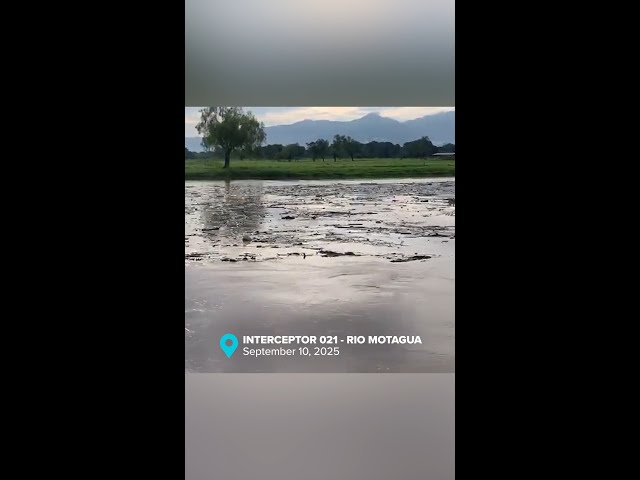
Interceptor 021 achieved its first major success just two days ago, intercepting a significant flush of trash. This crucial operation prevented a large volume of waste from polluting the delicate ecosystem of the Gulf of Honduras.

While Interceptors can stop a vast majority of plastic flowing into oceans from rivers, another significant source we must address is lost fishing gear. The scale of this problem is immense; for instance, lost longline nets alone could stretch 750,000 km, equivalent to a round trip to the moon. To tackle this, we are conducting extensive research to understand its origins. We have also joined the Global Ghost Gear...

Environmental Scientist and Advocate

