



Tackling ghost gear in the Great Pacific Garbage Patch
The Ocean Clean Up
While Interceptors can stop a vast majority of plastic flowing into oceans from rivers, another significant source we must address is lost fishing gear. The scale of this problem is immense; for instance, lost longline nets alone could stretch 750,000 km, equivalent to a round trip to the moon.
To tackle this, we are conducting extensive research to understand its origins. We have also joined the Global Ghost Gear Initiative (GGGI) to actively shape policies and initiatives aimed at solving this critical environmental issue.
You might also like

Explore the remote Russian High Arctic with conservation biologist Joshua Powell in the new series, *Frozen Islands, Arctic Seas*. Powell delves into critical biodiversity issues facing the region. This week, he highlights the threat of plastic waste, often mistaken for food by seabirds. New episodes air every Wednesday – subscribe now to follow his journey and insights. Connect with Joshua Powell on Facebook and ...
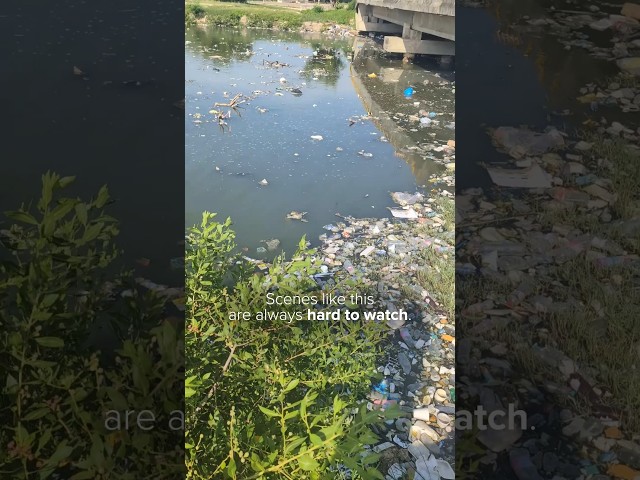
We signed a Memorandum of Understanding with the Cartagena Mayor’s Office to address plastic pollution in Cartagena’s waterways and prevent waste from reaching the Caribbean Sea. This initiative represents another step in our efforts across Colombia, where we collaborate with local partners to stop plastic pollution at its source.

Interceptor upgrades are on the way in the Dominican Republic 🇩🇴. A new 400-meter barrier, our longest deployment yet, will effectively capture more plastic and invasive water hyacinths before they reach the river and ocean. This upgrade aligns with the Government of the Dominican Republic's environmental initiatives and is expected to be completed by early 2027.

Rising chronic diseases are partly linked to hazardous chemicals leaching from plastic food packaging and utensils. While food packaging pollutants are a public health concern, research on a strong causal link between plastics and conditions like infertility or immune disorders is still developing. TEDx events are independently organized; guidelines are available here. In her TEDx talk, Dr. Jane Muncke explains ch...
Environmental Scientist and Advocate

