



Neah Bay: Restoring Ancestral Waters
For thousands of years, Makah Tribal fishermen like Robert Moss have relied on the waters of Washington's Neah Bay for traditional foods. Today, however, the tribe faces a significant threat from marine debris, including a massive 3,000-ton abandoned highway bridge, which jeopardizes their ancestral waters and the health of their fishing community.
In a story of resilience, Tribal leaders and organizations are collaborating to remove and recycle this decaying infrastructure and other abandoned vessels. Their efforts aim to restore the waters and ensure the continuation of traditional food sources for the Makah community.
You might also like
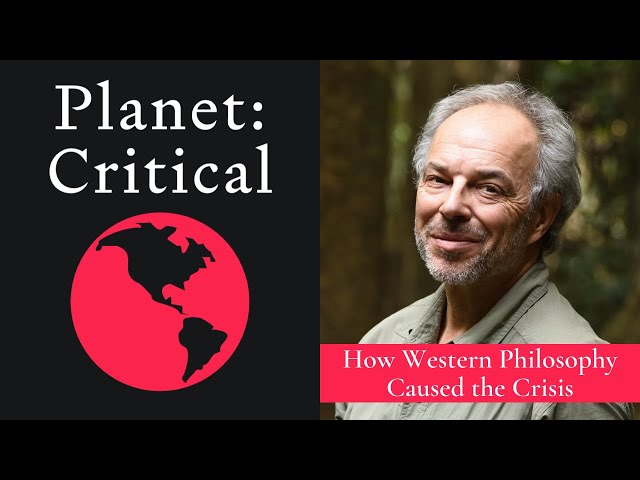
In this episode, ecologist and author Carl Safina discusses his new book, linking Plato's ideas to the environmental crisis. He argues that Plato's concept of profanity influenced Judeo-Christian monotheism, fostering a Western culture that neglects the natural world. Safina emphasizes the need to learn from Indigenous cultures that honor their place within the ecosystem. His passion for nature and insightf...
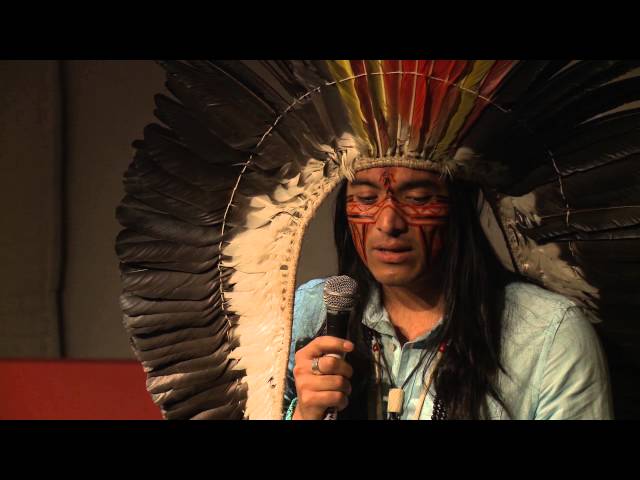
Nixiwaka Yawanawa, from the Yawanawa tribe, highlights our intrinsic connection with nature. He presented these insights at TEDxHackney. Nixiwaka also delivered a second TED Talk, available here, further exploring his perspectives.

Randy Woodley and Graham Hill discuss embracing ethnic diversity and learning from indigenous communities on The GlobalChurch Project. Woodley, a descendent of the United Keetoowah Band of Cherokee Indians, is a founding member of the North American Institute for Indigenous Theological Studies. Hill is the Founder and Director of The GlobalChurch Project. Woodley and his wife Edith previously led a Native American...

This animation displays a one-year time-lapse of CO2 surface concentration, covering January 1, 2016, to January 1, 2017. The data originates from NASA's GEOS-5 numerical weather model (https://gmao.gsfc.nasa.gov/GEOS/). Light colors in the visualization signify higher CO2 levels, while dark colors represent lower concentrations.
Environmental Scientist and Advocate

