



Learning from Indigenous Peoples: Randy Woodley and Graham Hill
Randy Woodley and Graham Hill discuss embracing ethnic diversity and learning from indigenous communities on The GlobalChurch Project. Woodley, a descendent of the United Keetoowah Band of Cherokee Indians, is a founding member of the North American Institute for Indigenous Theological Studies. Hill is the Founder and Director of The GlobalChurch Project.
Woodley and his wife Edith previously led a Native American gathering and developed a holistic service model, including a sustainable farm and Christian community. This initiative, which taught sustainability and eco-justice, was unfortunately disbanded due to violence. The GlobalChurch Project films Christian leaders and churches from diverse non-Western cultures, providing resources like curriculum, books, and training videos. A full 35-minute interview is available here.
You might also like

A panel discussion, hosted by The Democracy Collaborative, explores integrating Indigenous wisdom into a "next system" to address economic and political crises. This new system would center life and nature, drawing from non-capitalist social and economic forms. The panel features Freida Jacques (Turtle Clan Mother, Onondaga Nation), Jeff Corntassel (Cherokee Nation, University of Victoria), and Miki'ala Catalfano ...
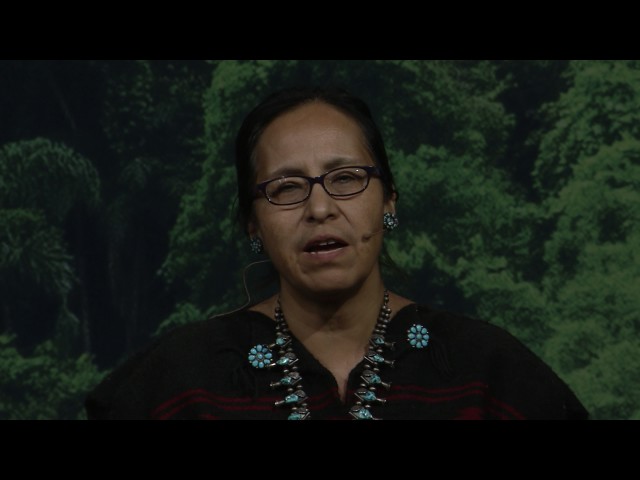
"A Blessing for Mother Earth" is a piece by Woman Stands Shining (Pat McCabe). It was published on November 8, 2016.
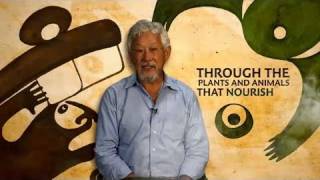
The "Declaration of Interdependence: A Pledge to Planet Earth" was co-authored in 1992 by David Suzuki, Tara Cullis, Raffi Cavoukian, Wade Davis, Guujaw, and others. As the founding document of the David Suzuki Foundation, it articulates the organization's core values. It presents a vision for planetary survival through a "new politics of hope," emphasizing connection and interdependence for the future of Earth.

Imagine an alternate Maryland where the native Wicomiss people thrived, never encountering colonists, to become a modern 21st-century civilization. What would their towns look like in this imagined universe? Gabrielle Tayac, an historian at the Smithsonian National Museum of the American Indian, helps us envision these possibilities.
Environmental Scientist and Advocate

