



CEOS Mini-talks #3
Center for the Economics of Sustainability
Join three applied economists from the University of Illinois at Urbana-Champaign's Department of Agricultural and Consumer Economics as they discuss overcoming current sustainability challenges in agricultural and urban systems. Each will speak for 15 minutes, followed by a Q&A session.
Speakers and topics include Erica Myers on "Machine learning can increase the impact of energy efficiency programs," Nick Paulson on "Identifying win-wins: Evidence from field-level practices," and Bruce Sherrick on "Crop Insurance connections to sustainable farming practices."
Zoom login information will be sent to registered attendees during the week of the event. This session is sponsored by the Department of Agricultural and Consumer Economics at the University of Illinois at Urbana-Champaign.
You might also like
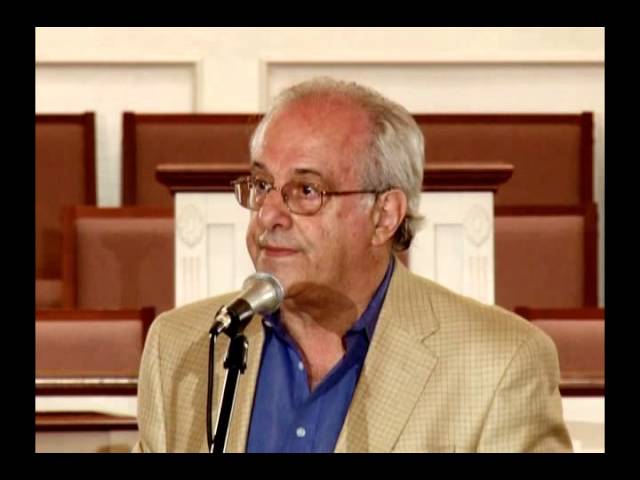
After years of economic crisis and failed solutions, many Americans believe the capitalist system no longer serves them. It's time for a bold new approach. Richard Wolff presented his proposed cure, explaining and justifying it, and urged people to build real, positive change instead of resigning to economic decline. This presentation marked the launch of Wolff's latest book, *Democracy at Work: A Cure for Capital...

Sir Mark Moody Stuart, a member of the Foundation for the Global Compact and the International Integrated Reporting Committee (IIRC), was interviewed in Beijing in January 2011. He discussed the vital importance of Integrated Reporting in today's business environment. The interview also covered the crucial next steps required to ensure its continued success.

Anna Rosling Rönnlund's project explores daily life globally, from brushing teeth in Sweden to making beds in Rwanda. She sent photographers to 264 homes in 50 countries, documenting items like stoves, beds, and toys across all income levels. This initiative uses data visualization to reveal diverse living conditions worldwide. Rosling Rönnlund demonstrates how families live, from Latvia to Peru, fostering a bette...

Sabbath Economics is an economic practice rooted in the belief that there are sufficient resources for all. It recognizes our fundamental role as economic beings interacting with creation's resources for survival and flourishing. A key tenet is debt forgiveness, viewed as biblical, just, and healing. This approach aims to narrow the divide between the wealthy and the poor. Explore Sabbath Economics f...
Environmental Scientist and Advocate

