



Sabbath Economics
Sabbath Economics is an economic practice rooted in the belief that there are sufficient resources for all. It recognizes our fundamental role as economic beings interacting with creation's resources for survival and flourishing.
A key tenet is debt forgiveness, viewed as biblical, just, and healing. This approach aims to narrow the divide between the wealthy and the poor.
Explore Sabbath Economics further at sabbatheconomics.org. Additional insights are available in these clips: Clip 2 and Clip 3.
You might also like

UBC Professor William Rees argues that climate change is humanity's greatest collective threat. As a global culture, individual eco-footprint reductions are insufficient to address this challenge. Sustainability demands a collective approach, not isolated actions. Cities must be designed to enable citizens to live sustainably, recognizing that we are all facing this critical situation together.

Madhu offers a concise overview of her work. In under three minutes, she explains both her role and its significance.

In February 2012, Jonathon Porritt, CBE, Chancellor of Keele University, delivered a public lecture. His address focused on "Sustainability and The Future of Capitalism."
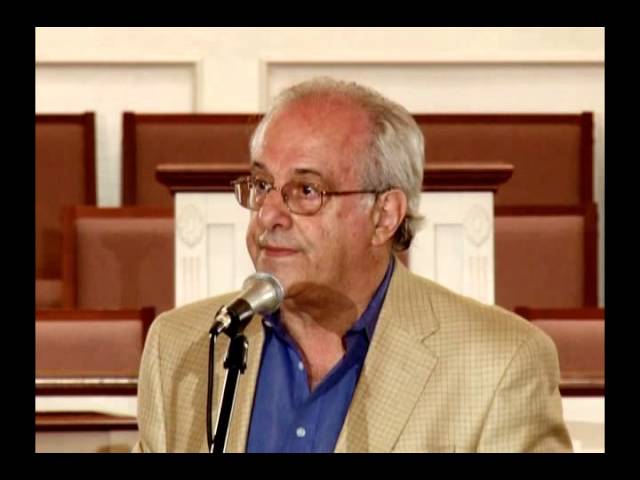
After years of economic crisis and failed solutions, many Americans believe the capitalist system no longer serves them. It's time for a bold new approach. Richard Wolff presented his proposed cure, explaining and justifying it, and urged people to build real, positive change instead of resigning to economic decline. This presentation marked the launch of Wolff's latest book, *Democracy at Work: A Cure for Capital...
Environmental Scientist and Advocate

