



That's Wild: Meet the Kowari
Center for Biological Diversity
Kowaris are small, carnivorous marsupials from Australia's remote stony deserts. These bright-eyed predators, related to Tasmanian devils, face rapid extinction due to habitat degradation and feral cats. Learn more in this video by Arid Recovery.
The Center for Biological Diversity, a Tucson-based 501c3 nonprofit, protects all species and their habitats through science, law, and creative media. We believe human welfare is deeply linked to nature's diversity, striving for a future where wildness thrives.
Connect with us: biologicaldiversity.org | Twitter | Facebook | Instagram | TikTok. Take action or email center@biologicaldiversity.org for inquiries.
You might also like

The Center has filed a notice of intent to sue the U.S. Fish and Wildlife Service (FWS) for refusing to develop a national gray wolf recovery plan under the Endangered Species Act (ESA). This challenges the Trump administration's finding that ESA protection for the gray wolf is "no longer appropriate" and its decision to forgo an updated recovery plan. This action comes two years after a similar successful lawsuit...

A new study reveals how rare palm cockatoos craft unique drumming instruments from sticks and seed pods, and how fathers teach this tradition to their young. This research, by R. Heinsohn and C. Zdenek, supports conservation efforts for these rainforest birds on Australia's Cape York Peninsula. Read more in Endangered Earth Online. The Center for Biological Diversity, a Tucson-based nonprofit, works through scienc...

Center Climate Organizer Molly Morabito emphasizes the urgent threat of fossil fuel pollution to our communities, places, and species, a reality made clear this summer. She is marching to #EndFossilFuels in NYC on September 17th and encourages others to join. For march details, visit https://endfossilfuels.us. If you cannot attend, you can still amplify demands by sharing the action: https://biodiv.us/EndFossilFuels.
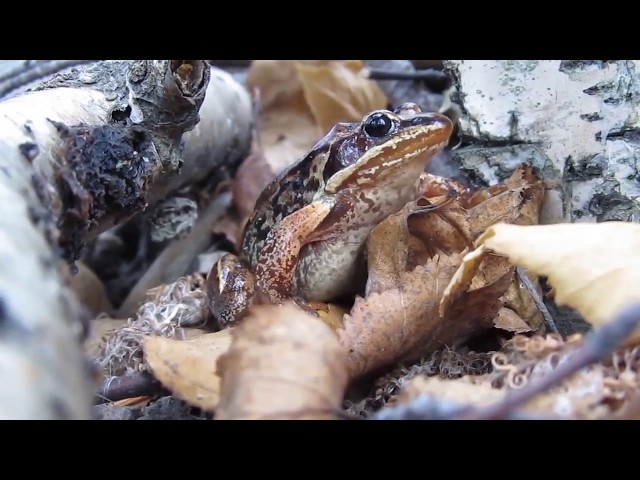
Every September, Alaskan wood frogs prepare for winter by crawling into leaf litter and freezing solid. This remarkable survival strategy involves two-thirds of their body water turning to ice, causing their hearts to stop beating. After six months in this frozen state, the frogs thaw out and resume normal activity. For more details, visit: biodiv.us/2vNg0PN
Environmental Scientist and Advocate

