



Fighting for Gray Wolves
Center for Biological Diversity
The Center has filed a notice of intent to sue the U.S. Fish and Wildlife Service (FWS) for refusing to develop a national gray wolf recovery plan under the Endangered Species Act (ESA). This challenges the Trump administration's finding that ESA protection for the gray wolf is "no longer appropriate" and its decision to forgo an updated recovery plan. This action comes two years after a similar successful lawsuit.
Collette Adkins, a senior attorney, affirmed, "We’re challenging the Trump administration’s unlawful decision to once again abandon wolf recovery, and we’ll win." She stressed that the FWS must follow science and law, demanding a comprehensive national recovery plan. Past delistings resulted in hundreds of wolves being hunted, underscoring the critical need for consistent federal protections.
You might also like

May brought record heat and atmospheric carbon dioxide levels, underscoring the climate emergency. While the challenge is immense, solutions exist, and individuals can make a difference. Our work focuses on saving climate-threatened species and campaigning for a just transition away from fossil fuels. We also advance climate justice through our new Energy Justice program, especially pertinent during current global...

In the latest Border Views video, the Center's Laiken Jordahl explores Arizona's Organ Pipe Cactus National Monument. This vital national monument faces an imminent threat. It is poised to become one of the first wild places permanently scarred by the Trump administration's border wall. We must act to prevent its construction and protect this irreplaceable natural area.

A new study reveals that snow flies amputate their own limbs to survive extreme cold. Scientists previously knew little about these flightless insects, which inhabit frigid, hard-to-reach alpine areas. Now, it's understood that if a leg freezes, these remarkable insects can remove it to prevent ice crystals from reaching their bodies and freezing vital organs. They then continue walking, demonstrating a unique sur...
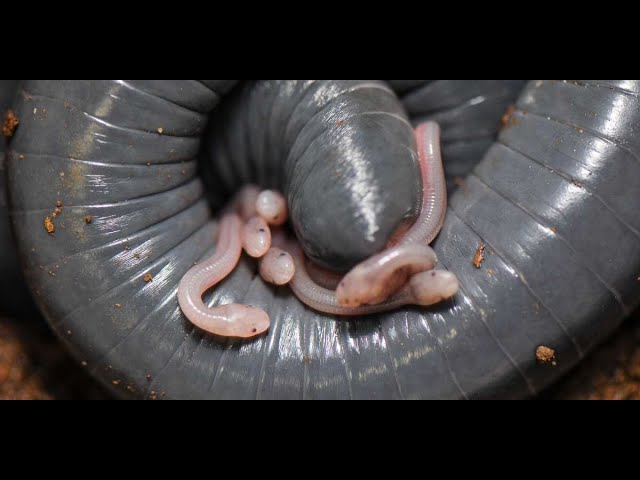
Mammals aren't the only animals feeding their young with bodily secretions. Caecilians, limbless tropical amphibians, have species whose young are born with teeth and feed on their mothers’ skin. These egg-hatched youngsters can also prompt their mothers to eject a high-fat, high-protein substance from their cloacae by making specific clicking noises. This fascinating discovery highlights the incredible diversity ...
Environmental Scientist and Advocate

