



How the circular economy tackles climate change with Per Klevnas
Ellen MacArthur Foundation
The circular economy is crucial for tackling climate change, as 45% of global greenhouse gas emissions stem from how we make and use products and produce food.
Per Klevnäs, a managing consultant and economist at Material Economics, brings extensive experience from over 100 international energy, resource, and climate projects since the early 2000s. He advises companies on resource and sustainability strategies, covering investment, low-carbon growth, and regulatory planning.
You might also like

Material circulation ensures materials remain in use when packaging elimination or item reuse isn't feasible. It's about keeping resources "at work" within the economy. Discover more innovative solutions in our #upstreaminnovation guide: https://plastics.emf.org/upstream
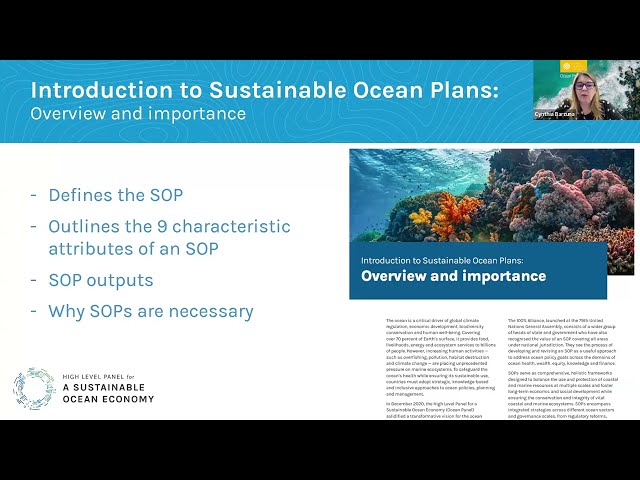
Explore practical strategies for sustainable oceans with our upcoming webinar. This session provides a comprehensive practitioners' guide to developing effective plans. Drawing from the Handbook on Sustainable Oceans Plans, it offers vital insights for implementation.

The European Commission is proposing mandatory, harmonized Extended Producer Responsibility (EPR) across the textiles industry, offering significant economic and environmental benefits. Watch Valérie Boiten from the Ellen MacArthur Foundation and Danielle Kent from the Australian Fashion Council discuss how Australia implements EPR in fashion. The Ellen MacArthur Foundation is an international charity dedicated to...
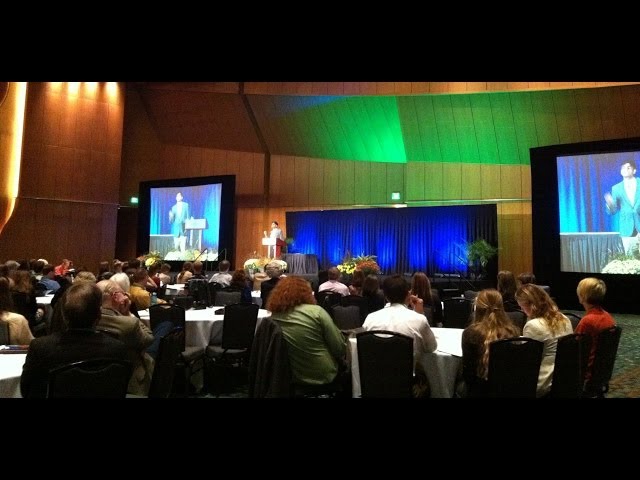
The AASHE 2013 Opening Ceremony featured Raj Patel as the keynote speaker. Raj Patel is an award-winning writer, activist, and academic. He serves as a Research Professor in the Lyndon B. Johnson School of Public Affairs at the University of Texas, Austin. Additionally, he is a Senior Research Associate at the Unit for Humanities at Rhodes University (UHURU) in South Africa.
Environmental Scientist and Advocate

