



Policy Recommendations to Prevent a Global Food Crisis | Hormuz Crisis 2026 | The Work We Do
United Nations Food and Agricultural organization
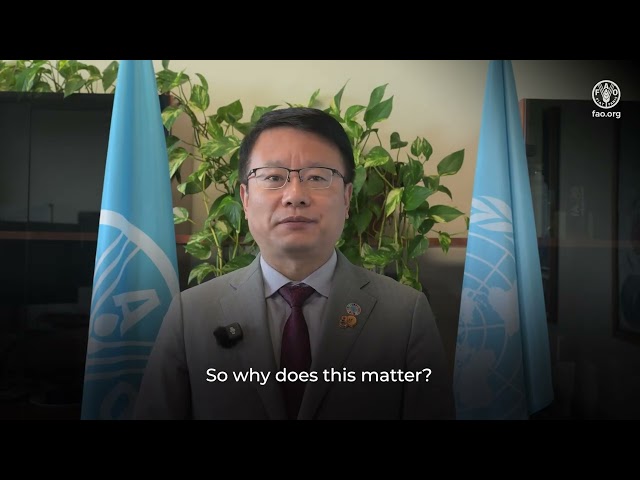
The Strait of Hormuz has been closed since February 28, 2026, severely impacting global energy, fertilizer, and agrifood systems. This episode of "The Work We Do" explores policy solutions to mitigate these worldwide agrifood impacts.
Hosted by Katrin Park and produced by Eduardo De La Chica (FAO), the discussion covers various policy areas, including trade recommendations, emergency measures, social protection, farmer financing, infrastructure resilience, energy diversification, and macroeconomic stability.
Subscribe to FAO on YouTube and follow them on social media: Facebook, Instagram, LinkedIn, TikTok, Twitter, and Weibo. © FAO: www.fao.org #SDGs #Agenda2030 #GlobalGoals
You might also like

The World Bank Group supports a sustainable cattle ranching program in Colombia's Orinoquía region. This initiative uses silvopastoral methods, integrating trees, forage, and livestock, to help farmers adapt to climate change. As a leading source of funding and knowledge for low-income countries, the World Bank Group is dedicated to reducing poverty and promoting sustainable development. For more information on th...

This video showcases the collaboration between FAO and the UK PACT programme in Cross River State, aimed at helping coastal communities protect their environment and secure their futures. The "Integrated Management of Mangrove Ecosystem and Expansion of Social Protection for Fisheries and Forest Dependents" project supports around 5,000 individuals in adopting nature-based businesses such as beekeeping, aquacultur...
Ecosystem restoration is vital for both people and the planet, enhancing food security, climate goals, biodiversity, and land degradation neutrality. It supports the healthy ecosystems essential for our food, water, and economies. The first global Restoration Progress Report reveals that 252 million hectares are now under restoration, demonstrating that nature can recover. As we enter the final five years of the U...

FAO supports coastal communities in Mozambique to restore marine ecosystems, protect fisheries resources, and strengthen livelihoods. With funding from the Government of Sweden, these communities are adopting responsible fishing practices and restoring vital mangrove forests. They are also developing alternative income opportunities, such as beekeeping and poultry production, particularly during fishing closure pe...
Environmental Scientist and Advocate

