



Save the Okefenokee
Center for Biological Diversity
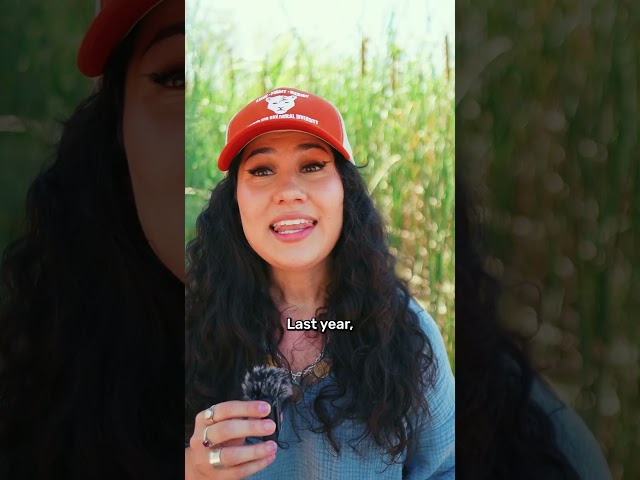
The Okefenokee National Wildlife Refuge, a vital biodiversity hotspot and the world's largest intact freshwater ecosystem, faces an existential threat. The proposed Twin Pines titanium mine plans to extract 1.4 million gallons of water daily, endangering its 50 mammal species, dozens of reptiles, 37 amphibian species, and critical migratory bird habitats.
Act now to protect this natural wonder, originally established by President Roosevelt. Sign the Center for Biological Diversity's petition to stop this destructive project: Sign the Petition. The Center, a 501c3 nonprofit, uses science and law to secure a future for all species by protecting essential lands, waters, and climate. Learn more at biologicaldiversity.org.
You might also like

Listen to the distinctive calls of the pika, sometimes known as rock rabbits. These calls serve multiple purposes, including individual recognition, predator warnings, territory defense, and attracting a mate. Learn more about pikas: https://biodiv.us/3aMCVtT
The "Alligator Alcatraz" detention center in the Everglades is finally closing. While this marks a positive development, the Center's Elise Bennett expressed caution, stating, "the Trump and DeSantis administrations have shown we can’t trust them with Big Cypress’ future." This critical landscape supports vulnerable wildlife like Florida panthers, bonneted bats, and Everglades snail kites. The Center is committed ...

Some argue that the SpaceX land swap is beneficial, but they overlook a crucial detail: the habitat scoring system used to deem these lands "low value" was developed in collaboration with SpaceX. It's important to consider whether the lower habitat quality in these areas is a result of years of launches, explosions, and industrial development. The Center emphasizes the importance of scrutinizing the sources behind...

In a BorderViews video, campaigner Laiken Jordahl highlights ongoing border wall construction at Organ Pipe Cactus National Monument. This development immediately threatens endangered species, Native American sacred sites, and protected wilderness areas.
Environmental Scientist and Advocate

