



Outcomes of the FAO Regional Conference for Europe (ERC35)
United Nations Food and Agricultural organization
The 35th Session of the FAO Regional Conference for Europe (ERC35) recently concluded in Dushanbe, Tajikistan. This session united countries from Europe and Central Asia to address critical challenges in climate, food security, and the future of agrifood systems.
Stay updated by following FAO on social media: [Facebook](https://www.facebook.com/UNFAO), [Instagram](https://instagram.com/fao), [LinkedIn](https://www.linkedin.com/company/fao), [TikTok](https://www.tiktok.com/@fao), [Twitter](http://www.twitter.com/fao/), and [Weibo](https://www.weibo.com/unfao). You can also [subscribe to their YouTube channel](http://www.youtube.com/subscription_center?add_user=FAOoftheUN). © [FAO](http://www.fao.org).
You might also like

Sponsored by the Tacoma Farmers Market and Triniti Media, this film addresses growing health concerns in Pierce County. It highlights the impact of poor nutrition on local residents. The film also showcases how Tacoma Farmers Markets enhance community well-being by providing accessible, healthy, and locally-grown food options.

Global food markets are under pressure from conflict, climate extremes, economic uncertainty, and supply chain disruptions. Despite these challenges, markets often recover quickly, though food price spikes can threaten food security, highlighting the need for international cooperation. In this episode of The Work We Do, FAO Senior Economist George Rapsomanikis and Economist Andrea Zimmermann discuss The State of A...

FAO supports over 120 countries in transforming their national adaptation plans (NAPs) into concrete actions, securing hundreds of millions in climate adaptation finance for agrifood system transformation. FAO Adaptation Co-Lead, Sibyl Nelson, reported from the NAP Expo in Kigali, Rwanda, where 250 partners from 60 nations convened to discuss designing, implementing, and building investment proposals for lasting c...
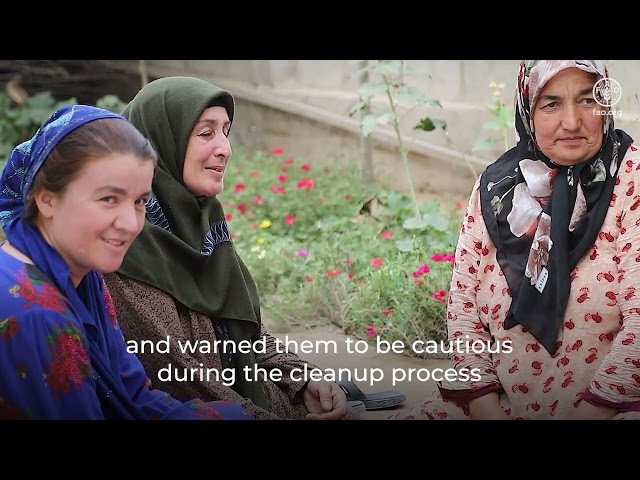
A successful pilot cleanup in Tajikistan addressed a dangerous Soviet-era pesticide landfill. The FAO, with Global Environment Facility support, excavated 33 tons of toxic pesticides and over 5,000 tons of contaminated soil, making the land safe for greenhouses. This initiative demonstrates that international cooperation and strict safety standards can restore severely contaminated land for sustainable farming and...
Environmental Scientist and Advocate

