



The oceans are acidifying. What does that mean for us?
Oceana
Ocean acidification, a dangerous consequence of climate change, occurs when the ocean absorbs excess atmospheric carbon. This carbon reacts with seawater, forming acid.
Acidified water erodes the hard body parts of marine life, including coral, bivalves, and plankton, threatening these vital ecosystems.
You might also like


The North Atlantic right whale is one of the world's most critically endangered animals, yet many are unaware of its plight. Learn essential facts about these magnificent creatures from Oceana marine scientist Nora Ives. Oceana actively campaigns to protect these whales from extinction. Discover more about our vital efforts and how you can contribute to their survival by visiting: oceana.org/rightwhaletosave. Join...
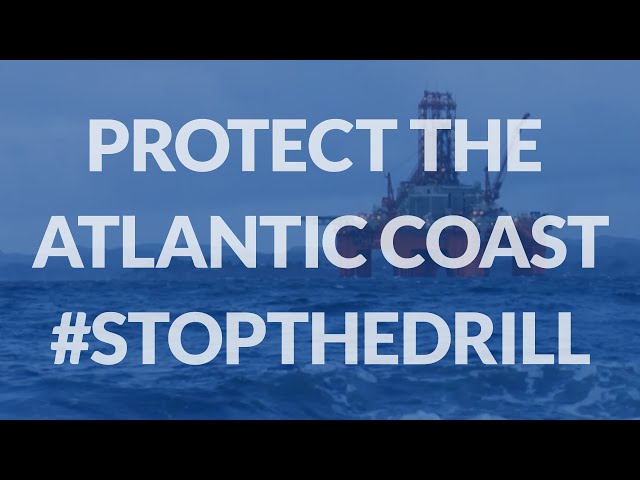
Over 100 coastal communities now oppose the Obama Administration's offshore drilling proposal for the Southeast coast (Virginia, North Carolina, South Carolina, and Georgia). This plan threatens jobs, tourism, and risks devastating oil spills like the BP Deepwater Horizon disaster. Due to widespread opposition from communities, elected leaders, and industries, the Administration is reexamining its proposed leasing...

The Trump administration has opened nearly all U.S. waters to offshore oil drilling, a move met with strong opposition from coastal communities. Washington must heed these concerns. For more information on grassroots opposition to offshore drilling, visit Oceana.org. Music by Adam Lindquist.
Environmental Scientist and Advocate

