



The Myth of Apathy by Renee Lertzman
At the Garrison Institute's 2011 Climate, Mind and Behavior Symposium, Renee Lertzman discussed the importance of emotional, affective, and unconscious dimensions in climate change communication and outreach strategy.
This discussion was part of the Institute's Climate, Mind & Behavior Initiative.
You might also like

JPL scientist Josh Willis, from NASA's Ask A Climate Scientist campaign, asserts that global warming is not pausing, despite some decades showing slower surface temperature increases. Willis points to increased ocean heat trapping and continuously rising sea levels as clear evidence. See [global temperature trends](http://climate.nasa.gov/key_indicators#globalTemp) and [sea level records](http://climate.nasa.gov/k...

Governments from over 190 nations will convene at the UN 2015 Paris Climate Conference (November 30 – December 11) to forge a new global agreement on climate change. This year's summit holds greater promise than the unsuccessful 2009 Copenhagen meeting. Optimism stems from the growth of renewable energy and evolving stances among major polluters, including the US. For further reading, visit the Guardian website. E...
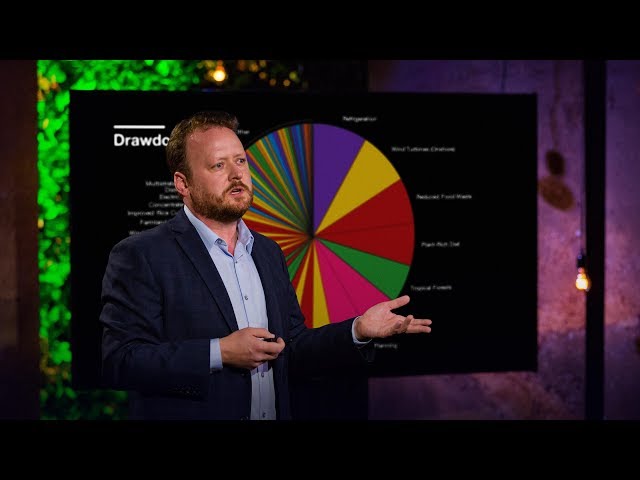
Strategist Chad Frischmann proposes "drawdown," a scenario where we remove more greenhouse gases than we emit, as our best hope to avert climate disaster. He highlights existing solutions, both conventional and innovative. These include widely recognized tactics like renewable energy and improved land management. Frischmann also emphasizes less common but impactful approaches, such as changes in food production, b...

Pollution, overcrowding, and climate change have severely damaged the environment and threatened traditional livelihoods along Morocco's Mediterranean coast. Through the World Bank's Integrated Coastal Zone Management (ICZM) project, communities are now generating new income sources via interconnected initiatives that simultaneously protect their fragile ecosystem. Learn more here.
Environmental Scientist and Advocate

