



Road to 50: The Circular Economy Show's Journey So Far
Ellen MacArthur Foundation
For two years, The Circular Economy Show has explored topics from regenerative agriculture to emerging innovations making the circular economy the norm. This episode highlights the best of 49 episodes, covering climate, policy, design, and insights from the show team.
The Ellen MacArthur Foundation, a UK charity, promotes a circular economy—driven by design—that eliminates waste and pollution, circulates products and materials, and regenerates nature.
Subscribe to the Ellen MacArthur Foundation YouTube channel. Find more at ellenmacarthurfoundation.org. Follow us on Instagram, Facebook, Twitter, and LinkedIn.
You might also like

At the 2018 Summit, Ellen MacArthur discussed the New Plastics Economy initiative's progress. It grew from 10 CEOs to 10% of the global market committing to 100% reusable, recyclable, or compostable plastic packaging by 2025. The Ellen MacArthur Foundation, a UK charity, accelerates the circular economy. As a global thought leader, the Foundation invites you to explore its work, including the DIF collection. Find ...

Nearly half of global greenhouse gas emissions come from product manufacturing, use, and food production. The circular economy offers an essential solution, requiring a fundamental shift in our approach to climate change. The Ellen MacArthur Foundation, a UK charity, emphasizes the circular economy's vital role beyond renewable energy. Their latest report, discussed by Joss Bleriot and Per Klevnas, details its cru...
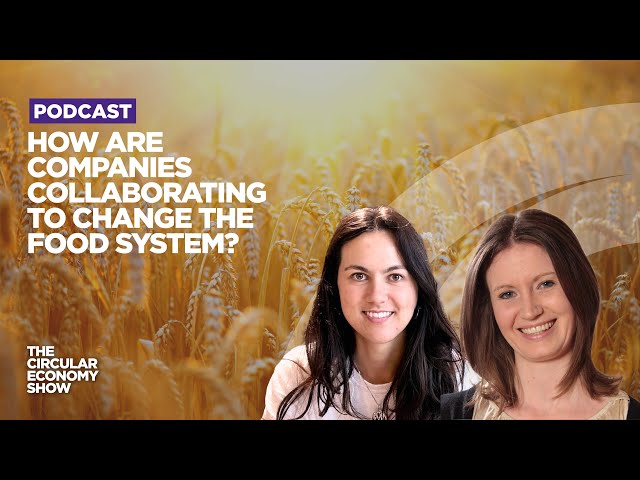
The Ellen MacArthur Foundation's Big Food Redesign Challenge demonstrates how circular economy principles can create a food system where nature thrives. This episode features Chloe Stewart (Nibs etc) and Katie Carson (Tetra Pak), exploring the role of upcycled ingredients, startup challenges, and the importance of collaboration to foster innovation and scale nature-positive food. The Foundation, an international c...

https://restream.io/?ref=nVVND Throughout history, technology has driven significant advancements in food production. The ongoing digital revolution now provides a wealth of new tools, offering unprecedented opportunities. The critical task is to effectively leverage these innovations to improve our food system. Simultaneously, we must establish robust precautions to prevent any negative, unintended consequences.
Environmental Scientist and Advocate

