



Chimps Apply Insects to Wounds
Center for Biological Diversity
Researchers from the Loango Chimpanzee Project have reported a novel discovery in Loango National Park, Gabon. They observed chimpanzees catching flying insects and applying them to their own wounds, as well as the wounds of other chimps.
This behavior may qualify as a form of self-medication. It could potentially prevent or reduce the harmful effects of pathogens and toxins, offering new insights into primate healing practices.
You might also like


The beaver, North America's largest rodent, is renowned for its engineering prowess. It acts as a master builder and hydroengineer, skillfully constructing dams and lodges that reshape landscapes. Beyond these impressive capabilities, recent video evidence from Utah's Zion National Park suggests another surprising trait: the beaver is also a serious proponent of self-care.

Washington's recovering wolf population faces flawed state management. Despite public support, the state wildlife agency, influenced by the livestock industry, continues lethal wolf management and defied Governor Inslee's reform orders. This approach lacks accountability, transparency, and science-based nonlethal strategies. Learn from experts Amaroq Weiss, Claire Loebs Davis, and Samantha Bruegger how to transfor...
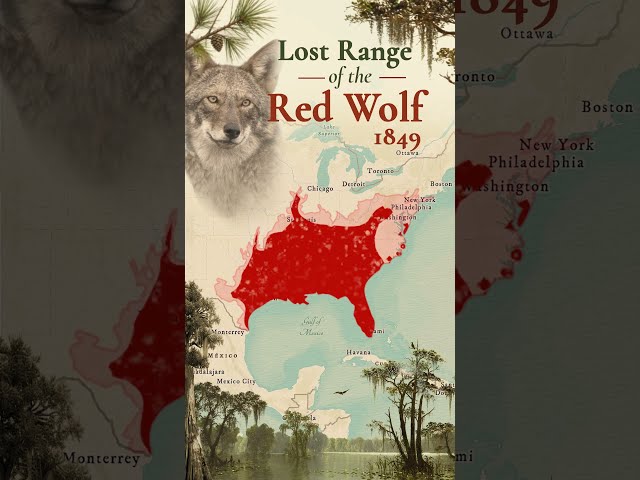
Once abundant in Eastern North America, red wolves now have only one wild population left in North Carolina's Albemarle Peninsula, which had 22 individuals before several litters were born in 2026. To ensure their survival, additional populations are urgently needed. The Center for Biological Diversity is a nonprofit organization based in Tucson, Arizona. We believe that human welfare is closely tied to nature and...
Environmental Scientist and Advocate

