



Part 3: Your Wealth Does Not Justify Overconsumption
Frontiers in Sustainability
Environmental and economic problems like low wages and unemployment are often blamed on a hard-to-regulate U.S. economy. However, this system is intentionally rigged for the wealthy. Laws and policies overwhelmingly favor them, allowing control of vast resources and lavish living, while most Americans struggle paycheck to paycheck.
Despite ample resources, our economic system is designed for the wealthy, who manipulate it via political influence. It could easily be regulated to ensure decent jobs, healthcare, and homes for all. Yet, we largely complain without taking action.
You might also like

This documentary trailer features a global chorus of voices, including Vandana Shiva, Bill McKibben, David Korten, Juliet Schor, and Samdhong Rinpoche, Prime Minister of Tibet's government in exile. These experts from six continents address urgent global challenges. They argue that climate change and peak oil necessitate a critical shift: we must localize economies and bring them home.

Raj Patel critiques free-market economic models, identifying significant flaws while also highlighting successful alternatives. He recalls Alan Greenspan's congressional testimony, where Greenspan admitted, "I found a flaw in the model that I perceive is the critical functioning structure that defines how the world works, so to speak." Patel's insights are further explored in his book, *The Value of Nothing*, publ...

Economics professor and author Robert Frank delivered a lecture as part of the Authors@Google series on July 23, 2007, at Google headquarters in Mountain View, CA. During his talk, Frank discussed basic economic principles, notably the concept of pursuing actions where benefits exceed costs. He is the author of "The Economic Naturalist: In Search of Explanations for Everyday Enigmas."
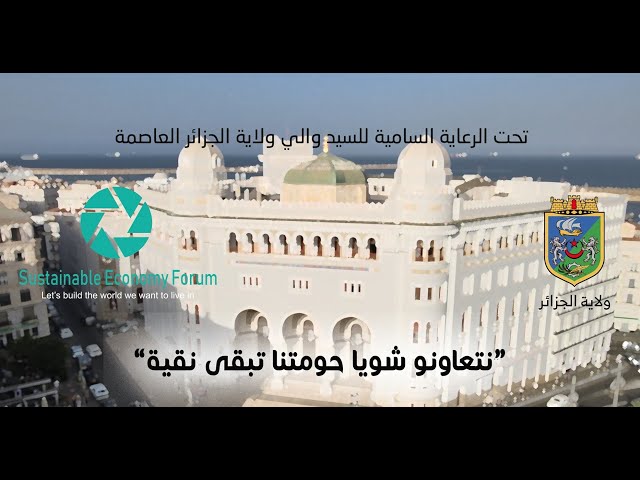
The Clean Algiers initiative operates under the patronage of the Wali of Algiers. Its primary goal is to unite all volunteers in an effort to maintain a clean capital city.
Environmental Scientist and Advocate

