



Digital Villages Initiative Actions in Rwanda
United Nations Food and Agricultural organization
FAO Rwanda launched the "Fostering Digital Villages (FDiVi)" project in Musanze District. It empowers farmer organizations, youth, women, and field agents from four districts to transform Rwandan agriculture through digital tool adoption.
FDiVi introduces tailored digital solutions, offering rural communities easier access to information, weather forecasts, and market opportunities. This enables farmers to make informed decisions, optimize yields, and enhance resilience.
Subscribe to FAO: YouTube. Follow FAO: Facebook, Instagram, LinkedIn, TikTok, Twitter, Weibo. © FAO: fao.org #SDGs #Agenda2030 #GlobalGoals
You might also like

The "Enhancement of Livelihood Resilience in Rural Areas (LRRA)" project, a $1.4 million initiative by Japan, FAO, and Lao PDR's Ministry of Agriculture and Environment, addresses climate change and COVID-19 impacts across 48 villages in Luangprabang and Oudomxay provinces. Focusing on climate-smart agriculture (greenhouses, irrigation, training), agribusiness (producer groups, market links), and infrastructure (i...

Successful goat farming relies on healthy animals. This video emphasizes timely vaccination (PPR, FMD, Goat Pox, HS, Black Quarter), regular de-worming, early disease detection, and proper health management. Implementing these practices, including isolating sick animals, seeking veterinary care, and maintaining health records, ensures healthy goats, boosts milk production, and minimizes disease-related losses. For...
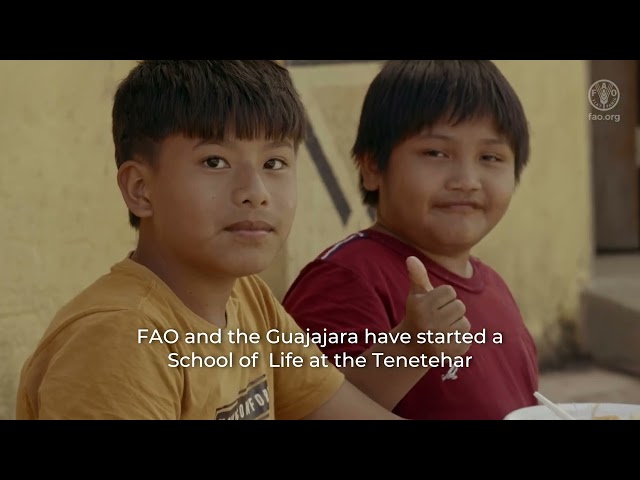
This video highlights the early stages of the Indigenous Peoples’ Biocentric Restoration Global Programme in Brazil's Guajajara territory. Following years of degradation from livestock production and wildfires, the area is being revitalized through Indigenous knowledge, with a focus on fire management and the efforts of Indigenous fire brigades. For more information, visit the FAO website. Subscribe to our channel...

Kyrgyzstan is leveraging innovation by combining science, technology, and local knowledge to enhance food production and protect natural resources. Solutions like seed balls for arid areas and artificial glaciers for water storage are empowering communities. Traditional knowledge continues to guide pastoralists, who now integrate modern tools like GPS and drones. The FAO is also promoting sustainable fish farming ...
Environmental Scientist and Advocate

