



Roukaya Ben Brahim – Valoriser l’élevage au service du territoire
United Nations Food and Agricultural organization
Roukaya Ben Brahim, based in Kébili, southern Tunisia, founded Chef Lait to produce and transform goat and camel milk, promoting local livestock. Growing up in an agricultural family, she transformed a milk surplus into an economic opportunity. Her company now offers fresh milk and artisanal cheese, and is expanding camel milk collection. She joined the Agri-accélérateur program, enhancing her skills and structuring her project around responsible investment.
Subscribe to FAO on YouTube. Follow FAO on social media: Facebook, Instagram, LinkedIn, TikTok, Twitter, Weibo.
© FAO: fao.org #SDGs #Agenda2030 #GlobalGoals
You might also like
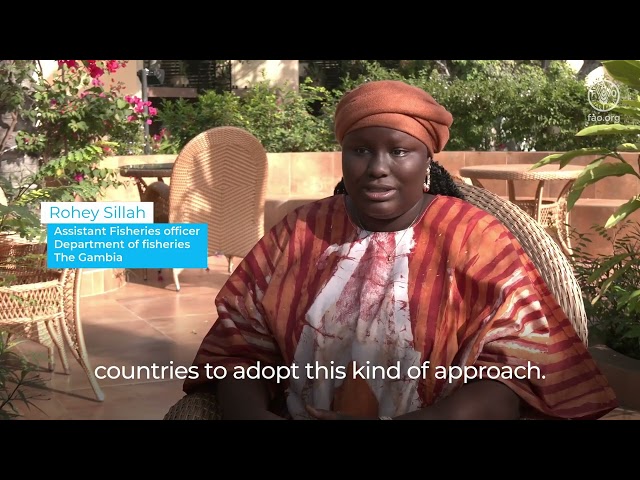
Women play a crucial role in West Africa’s sardinella fisheries, supporting households and local economies through fish processing and trade. This video showcases women in The Gambia who rely on smoked sardinella, emphasizing their skills and the challenges they encounter. The Shared Sardinella Initiative, part of the EAF-Nansen Programme, promotes gender inclusion and sustainable fisheries practices to strengthen...

Tunisian farmers face significant annual losses from increasing climate hazards. To address this, the FAO, under the National Adaptation Plan (PNA), is bolstering Tunisia's FIDAC fund. This vital national mechanism compensates farmers for natural disaster damages and builds resilience. To ensure transparency and efficiency, regional committees received comprehensive training. This enhanced their skills in damage a...

Since 1945, FAO and India have collaborated to transform agriculture, strengthen food security, and improve rural livelihoods. This enduring partnership supports farmers, protects natural resources, and builds resilient agrifood systems for a healthier, sustainable future. A video highlights FAO's work in India across agriculture, fisheries, livestock, and One Health, in close collaboration with the Government of ...

The conflict in Gaza has severely limited and made costly the resources needed to sustain small ruminants like sheep and goats. In response, FAO and the European Union present the first of a four-part video series. This video demonstrates how to utilize common, available materials for livestock feed when conventional options are scarce. Subscribe to the FAO YouTube channel for more insights: FAO YouTube. Follow FA...
Environmental Scientist and Advocate

