



Connecting surveillance and laboratory systems for faster animal health responses in Ghana
United Nations Food and Agricultural organization
Effective disease surveillance relies on timely, accurate, and accessible laboratory information. As health threats grow, laboratories are crucial for detecting risks, supporting diagnoses, and informing response efforts.
This video introduces SILAB, a Laboratory Information Management System (LIMS) that digitizes the complete lab workflow, from sample reception to reporting. SILAB enhances sample traceability, enables real-time reporting, and strengthens interoperability between laboratories and other health information systems.
These capabilities improve decision-making, support disease surveillance, and facilitate faster, more coordinated responses to health events. By strengthening data management and connectivity, SILAB enhances information exchange and supports animal and public health surveillance.
You might also like
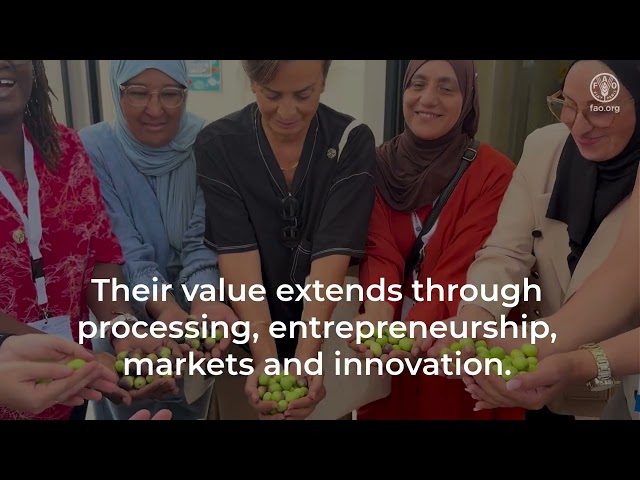
MOSAIC – Mediterranean Olive Sisters Across International Chains – unites women olive producers, entrepreneurs, cooperative members, and technical partners from the Near East, North Africa, and Italy to share knowledge and experiences in olive value chains. The September 2026 exchange in Bari focused on sustainable and inclusive practices, emphasizing women's contributions and roles. This video showcases participa...

African Swine Fever (ASF) threatens food security and rural livelihoods. The FAO Emergency Centre for Transboundary Animal Diseases (ECTAD) in Asia and the Pacific strengthens animal health systems to help countries prevent and manage ASF. A video highlights resilient women—farmers, veterinarians, and community leaders—leading the fight against ASF in Indonesia, Lao PDR, and the Philippines. They demonstrate innov...

FAO Veterinarians in Georgia, supported by the EU and Sweden under ENPARD IV, enhance animal health and food safety in the dairy sector. They train thousands of smallholder farmers in safe milk production, hygiene, and veterinary practices. This empowers rural communities, boosting productivity and competitiveness, and ensuring wider access to safe, nutritious dairy products across Georgia. Connect with FAO: Subsc...

Thierry Vrain, a retired soil biologist and former head of a molecular biology department, spent his career engineering nematode resistance in crops. In retirement, as a gardener, he gained a deeper understanding of soil ecosystems. Observing public concern about food safety, Vrain, with his expertise in genetic engineering, felt compelled to act. He has joined a campaign to educate consumers about potential healt...
Environmental Scientist and Advocate

