



How do you redesign the clothing industry? The story of Rapanui
Ellen MacArthur Foundation
Less than 1% of clothing is recycled, leading to a truckload of textile waste entering landfills every second. However, some designers and brands are challenging this linear "take-make-waste" model by embracing sustainable practices.
A prime example is Rapanui, founded by two brothers on the Isle of Wight. They create clothing from natural materials using renewable energy, designing products for circularity. Worn-out items are recovered to make new ones, and t-shirts are produced on-demand to eliminate overproduction. Rapanui also provides a free platform for global access to their supply chain and technology.
Discover more about their ambitious journey to redesign the fashion industry. Multistreaming with Restream.io.
You might also like
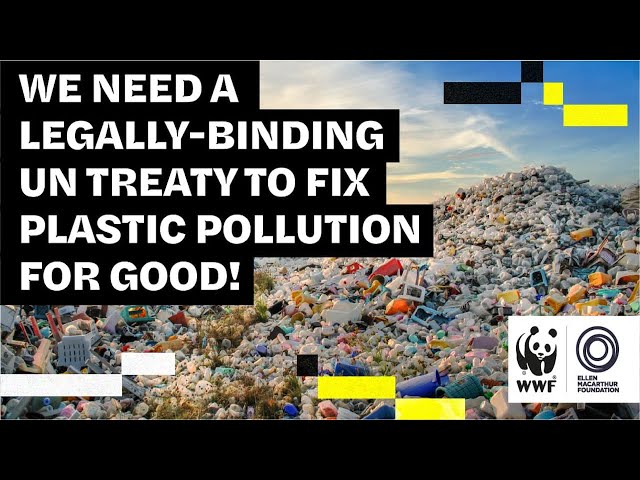
The Ellen MacArthur Foundation and WWF are calling for a legally-binding UN treaty to address the entire plastics lifecycle. This urgent appeal is supported by over 2 million people, 700+ civil society groups, 70+ global companies, and more than three-quarters of UN member countries. The escalating global plastic pollution crisis requires a coordinated, worldwide response, as existing voluntary measures are insuff...

This video features Seb Egerton-Read, Content Lead at the Ellen MacArthur Foundation, and WPP CSO Hannah Harrison, discussing the power of storytelling to drive impactful conversations. The Ellen MacArthur Foundation is an international charity dedicated to developing and promoting a circular economy. This model, driven by design, eliminates waste and pollution, circulates products and materials, and regenerates n...

The textiles industry remains anchored in a linear "take-make-waste" economy, ranking as the fourth most impactful sector on primary resources and water. The Ellen MacArthur Foundation has outlined five universal circular economy policy goals, including "make the economics work" by creating incentives and regulations that enable circular business models like resale, rental, and repair to become the norm. This chal...

During lockdown, young people engaged with the concept of the circular economy through a recent webinar series. This initiative provided teenagers with an opportunity to learn about sustainable practices. Three participants now share their experiences and insights gained from the program.
Environmental Scientist and Advocate

