



That's Wild: The Birth of a Sperm Whale
Center for Biological Diversity
Whale biologists have documented the first-ever sperm whale birth, a powerful event captured by Shane Gero and the Project CETI team in the Caribbean. Gero, who has studied this specific whale family for nearly 20 years, observed an unusual gathering of 11 female whales during the birth.
The newborn was kept safe on the family's backs and heads for hours. Audio data revealed the whales transitioned from quiet to simultaneously "talking" with morse-code-like clicks, suggesting a celebration. Gero remarked, "It's hard not to see it as a celebration."
Learn more about this whale birth: [National Geographic article](https://www.nationalgeographic.com/animals/article/sperm-whale-birth-dominica). Featured in "That's Wild," Endangered Earth Online: [Endangered Earth Online article](https://www.biologicaldiversity.org/publications/earthonline/endangered-earth-online-no1211.html).
You might also like

Agriculture accounts for nearly 30% of global greenhouse gas emissions, with over half originating from meat and dairy production. Our food choices profoundly impact climate, habitat, water use, and wildlife. Adopting more plant-based foods and less meat can significantly reduce diet-related emissions, conserve land and water, and help mitigate the extinction crisis. This week’s discussion will focus on shifting t...

Coleman's coral root is a rare desert orchid, endemic to southern Arizona and southwestern New Mexico. Only a few hundred of these unique flowers are known to exist. A specimen was recently filmed in the Santa Rita Mountains, specifically within the area of the proposed Rosemont copper mine. Learn more about Coleman's coral root: Center for Biological Diversity
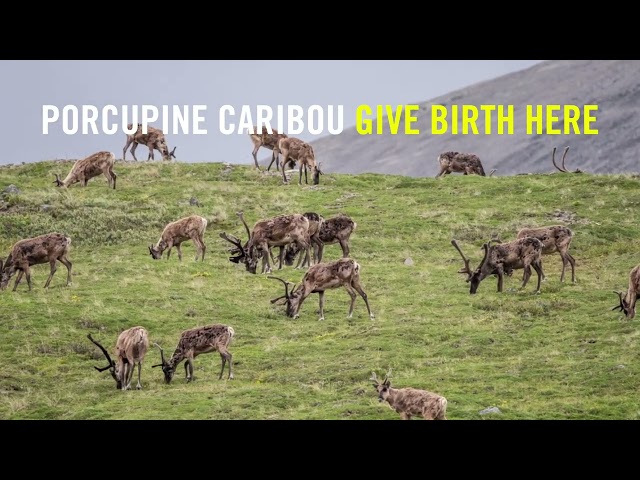
The Trump administration is initiating oil and gas lease sales in the Arctic National Wildlife Refuge's Coastal Plain, inviting companies to identify drilling sites. This 1.56-million-acre area is the biological heart of the Arctic Refuge, vital for the Porcupine caribou herd, migratory birds, and polar bears. Industrializing this irreplaceable sanctuary will harm wildlife and accelerate climate change. The Arctic...

Environmental Scientist and Advocate

