



Protecting Florida's Black Bears
Center for Biological Diversity
The Center for Biological Diversity is a leading organization of lawyers, scientists, and activists dedicated to protecting endangered species and habitats globally.
Learn more about their work: biologicaldiversity.org
You might also like

Male mountain lions create scrapes—mounds of dirt, urine, and scat—that serve as vital communication tools. These scrapes function like a dating profile; if a breeding-ready female encounters a male's pile, she may urinate on it, signaling her presence and willingness to mate. Beyond mating signals, scrapes also mark the boundaries of a male cougar's territory. By advertising his dominance in a specific area, the ...

The accelerating extinction crisis threatens countless species, from sea turtles to ancient forests, and the vital habitats they depend on. Every species deserves a future. 🌎 For nearly four decades, the Center for Biological Diversity has championed the protection of endangered species and wild places. We're not stopping now. Join us in defending Earth's incredible biodiversity. Right now, your donation will be m...

Freshwater mussels employ diverse and ingenious reproductive strategies, often relying on fish as hosts. Some create tantalizing lures to attract fish, expelling larvae onto their gills, while others deploy larva packets on long strings. Researchers have now uncovered a novel tactic used by the endangered thick-shelled river mussel. This mussel climbs streambanks, partially emerging from the water, and squirts lar...
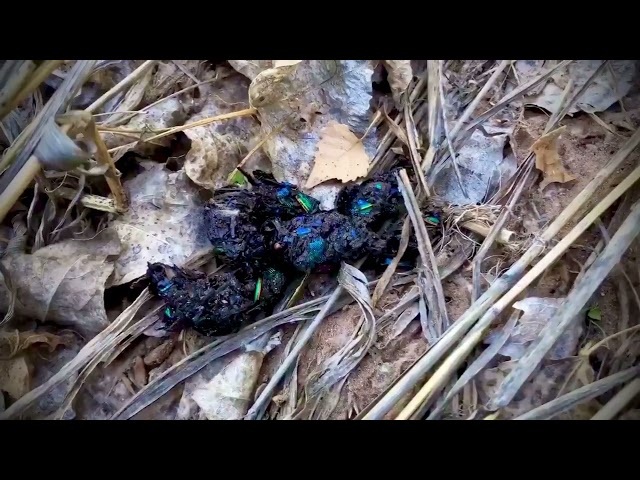
Near the U.S.-Mexico border, a skunk's scat was found "bedazzled" with the shimmering exoskeletons of fiery searcher beetles. Both skunks and these carnivorous insects share a unique defense: strong, musky scent glands. The Center for Biological Diversity is a Tucson-based 501c3 nonprofit. We believe human welfare is deeply linked to nature's diversity. Through science, law, and creative media, we work to protect ...
Environmental Scientist and Advocate

