



To mark the announcement of We Mean Business Coalition and B Lab's new partnership to help comp
B Corporation
We Mean Business Coalition and B Lab announce a new partnership to help companies accelerate greenhouse gas emission cuts. Join their CEOs on a LinkedIn Live event to mark this collaboration.
This conversational event will explore businesses' central role in delivering climate solutions, achieving a just transition to net zero, and acting as a force for good.
Tune in on May 4 at 1pm UTC to hear from Maria Mendiluce (CEO, WMBC) and Eleanor Ellen (Lead Executive, B Lab) as they discuss true climate leadership for responsible businesses.
You might also like

In 2010, New York City's carbon footprint was 54 million metric tons of CO2, equating to 1.72 tons per second. This immense scale of atmospheric pollution is often difficult for most people to comprehend. Carbon Visuals and the Environmental Defense Fund aim to make these emissions more tangible. They help visualize both the total output and the rate of emission, making the city's environmental impact more underst...
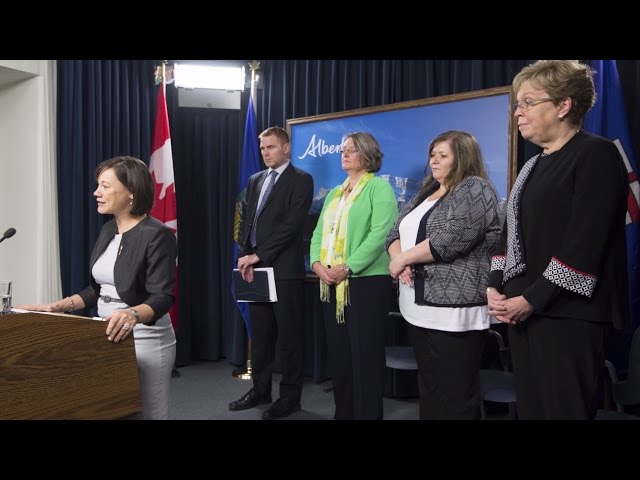
Alberta Premier Rachel Notley, alongside oil industry executives and environmental leaders, announced a groundbreaking climate change policy. This collaboration was remarkable, given Alberta's status as Canada's top oil-producing province and home to the world's third-largest oil reserves. The question remains: how did they achieve such an unprecedented agreement?

Côme Girschig, a French Youth Delegate for Climate, will discuss climate change solutions at international, local, and personal levels. Since early 2018, Côme has represented youth within the French Delegation to the UN Climate Change Convention. He co-founded JAC, a nonprofit dedicated to spreading climate information, and uses his YouTube channel to address climate issues, including debating figures like French ...

Plastics are durable, light, and versatile, yet they take up to 400 years to decompose. This prolonged degradation will impact 16 future generations. Our excessive plastic use severely threatens ocean health and biodiversity. Projections indicate that by 2050, oceans could contain more plastic than fish by weight.
Environmental Scientist and Advocate

