



If You Love Elephants
Center for Biological Diversity
Elephants worldwide face extinction due to habitat destruction, poaching, and trophy hunting. The Center for Biological Diversity is actively protecting the Amboseli-West Kilimanjaro elephants, a beloved population ranging between Kenya and Tanzania. After 30 years of safety, these elephants are now threatened by trophy hunters.
You can help secure their future by taking action: biodiv.us/4635BfC.
The Center for Biological Diversity is a 501c3 nonprofit dedicated to protecting all species through science, law, and creative media. Learn more about our mission and work at biologicaldiversity.org.
You might also like
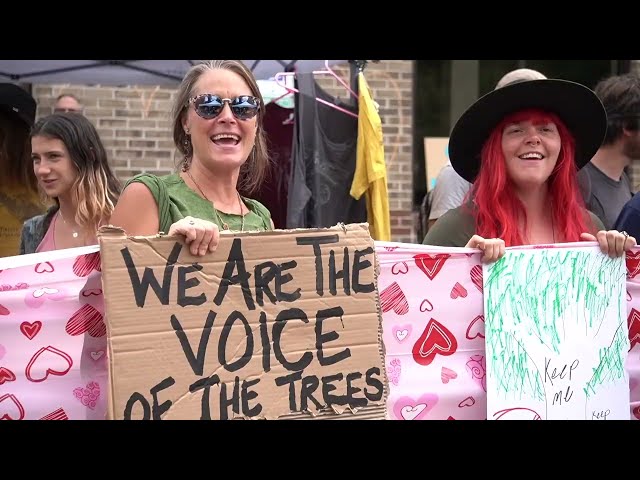
The Center for Biological Diversity recently rallied in Asheville, NC, advocating for stronger safeguards for the Pisgah-Nantahala National Forest, a biodiversity hotspot. Over 300 attendees submitted 34,000 public comments urging improved management, reflecting the message: "We love Pisgah, and we want to see more of it protected." The Center for Biological Diversity is a 501c3 nonprofit protecting species and ha...

A data visualization highlights trucking accidents, deaths, and injuries on a hazardous California route. This route is where ExxonMobil plans to truck offshore oil to market. Data is based on CHP records from 2015-2021. A video for media use is available for download here. Find more information here. Credit: Curt Bradley/Center for Biological Diversity.

One in four native bee species, including western bumblebees, are rapidly declining due to habitat loss, climate change, invasive species, and pesticides. This alarming trend signals significant biodiversity loss across the country. The Center for Biological Diversity, a 501c3 nonprofit, protects species and their habitats through science, law, and creative media. Believing human welfare is deeply linked to nature...

Our webinar series examines the colonial legacies of introducing cows to the Americas, which profoundly altered human-land relationships. Cattle grazing fueled colonial projects and capitalist economies, leading to the loss of Native lives, livelihoods, and culture. This panel will discuss these historical impacts and explore pathways forward, including regenerative practices, food justice, land equity, and restor...
Environmental Scientist and Advocate

