



Saving the Everglades: The Fight to Come
Center for Biological Diversity
The Center for Biological Diversity is actively fighting to save the Everglades from the destructive "Alligator Alcatraz" detention center. Join our upcoming webinar for an inside look at this critical legal battle, what lies ahead, and how your support drives this lifesaving campaign.
As a 501c3 nonprofit, the Center believes human welfare is deeply linked to nature. We use science, law, and creative media to protect lands, waters, and climate, securing a future for all species on the brink of extinction. Learn more at our website, take action, or donate to support our work. Find us on Facebook. For questions, email center@biologicaldiversity.org.
You might also like
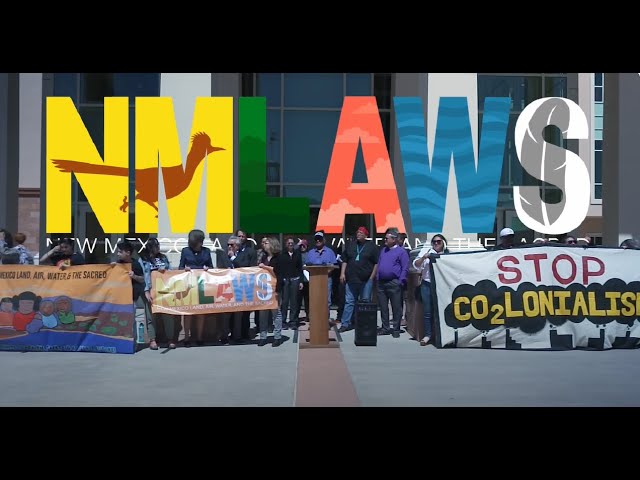
NM LAWS (New Mexico Land, Air, Water, and the Sacred) is a coalition of Indigenous, frontline, and youth groups. They are pursuing legal action to compel New Mexico to fulfill its constitutional duty to control pollution, protect rights, and ensure equal protection. The Center for Biological Diversity is a 501c3 nonprofit. We believe human welfare is deeply linked to nature's diversity. Through science, law, and c...

Coleman's coral root is a rare desert orchid, endemic to southern Arizona and southwestern New Mexico. Only a few hundred of these unique flowers are known to exist. A specimen was recently filmed in the Santa Rita Mountains, specifically within the area of the proposed Rosemont copper mine. Learn more about Coleman's coral root: Center for Biological Diversity

Our webinar series examines the colonial legacies of introducing cows to the Americas, which profoundly altered human-land relationships. Cattle grazing fueled colonial projects and capitalist economies, leading to the loss of Native lives, livelihoods, and culture. This panel will discuss these historical impacts and explore pathways forward, including regenerative practices, food justice, land equity, and restor...
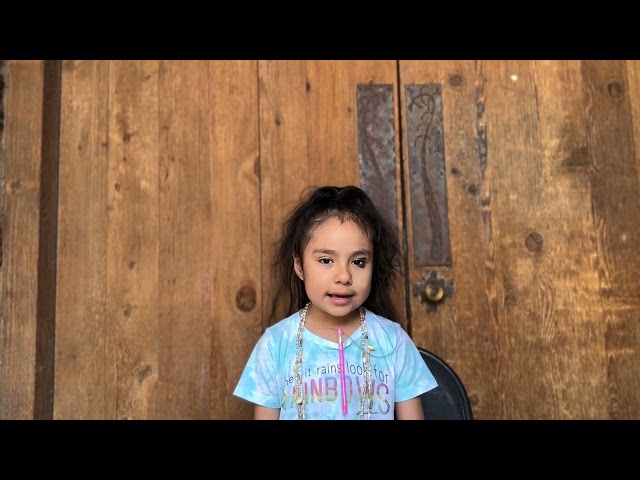
Members of the Tohono O’odham Nation in southern Arizona recently named the newest wild jaguar entering the U.S. from Mexico. They dubbed him O:á¹£had Ñu:kudam, meaning "Jaguar Protector" in the O’odham language. Eight-year-old Kii’yaa’nii Ross, a Yaqui/Diné student who helped promote the naming through the EcoTruths for Indigenous Youth program, highlighted the jaguar's significance. The Center for Biological Div...
Environmental Scientist and Advocate

