



One Health: Reducing Antimicrobial Resistance in Thailand
United Nations Food and Agricultural organization
Antimicrobials are crucial for treating sick animals and safeguarding our food supply. However, their overuse and misuse in both human medicine and agriculture are accelerating Antimicrobial Resistance (AMR), leading to the failure of vital antibiotics. Farmers, from small to large scale, often struggle to access proper guidance and treatments for animal health.
To combat this, the Food and Agriculture Organization (FAO), World Health Organization (WHO), and World Organisation for Animal Health (WOAH) collaborate through a 'One Health' approach. They develop guidelines for responsible antimicrobial use, strengthen surveillance systems, and enhance public awareness of AMR, particularly in Thailand.
Learn more about FAO's efforts against AMR: https://www.fao.org/antimicrobial-resistance
You might also like
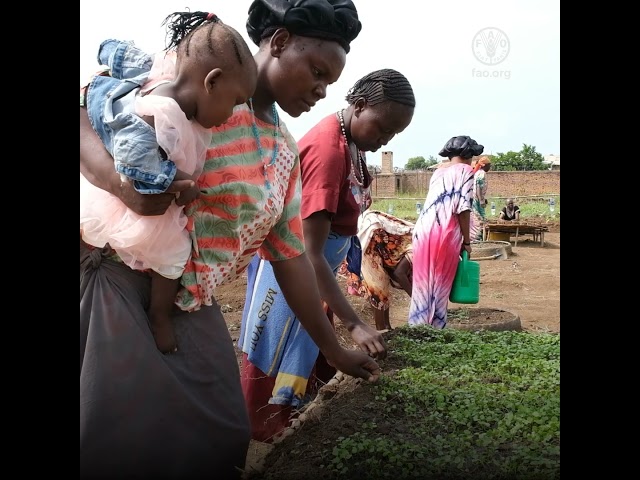
In South Sudan, FAO leads a program empowering women in agrifood systems. Farmers and small business owners receive tailored support, including training in vegetable production and irrigation, seeds, tools, and small ruminants to improve nutrition for families with young children. Savings and loans associations are also established to boost economic empowerment. FAO will highlight women's innovative contributions ...

Ethan Schaffer, a 2002 Brower Youth Award recipient, founded Organic Volunteers. This national program promotes sustainability and organic food systems through outreach and education.

Scientist, activist, and author Vandana Shiva advocates for saving non-GMO seeds and her concept of 'Earth Democracy.' She highlights the tragic reality of 150,000 farmer suicides, often linked to the high cost of purchasing seeds from companies like Monsanto. Shiva emphasizes the critical importance of ecosystem conservation and the role individuals play as conservers. Her work aligns with broader themes of justi...

Free, Prior, and Informed Consent (FPIC) is a fundamental right for Indigenous Peoples, recognized by the UN Declaration on the Rights of Indigenous Peoples (UNDRIP). Since 2015, FPIC has been mandatory for all FAO projects and activities involving Indigenous Peoples. Despite its importance, FPIC faces implementation challenges. Experts recently discussed these common obstacles and outlined necessary steps during ...
Environmental Scientist and Advocate

