



What's behind deploying our Interceptors in the world's most polluting rivers?
The Ocean Clean Up
Effective solutions stem from a thorough understanding of the problem. Before deploying Interceptors, we conduct our Smart River Survey. This process gathers and compiles data from multiple sources to deeply understand a river's plastic pollution.
This comprehensive data enables us to tailor our technology to best fit each river's unique conditions. Learn more about our Smart River Survey in our latest video: https://youtu.be/NdauXcL3JMo?si=J7sdeTlsoxneGqry.
You might also like
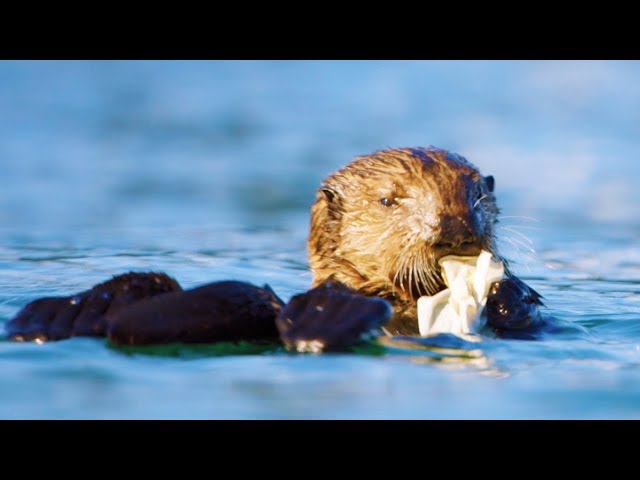
Plastic pollution in the ocean impacts wildlife across the food chain, affecting both humans and otters.Subscribe to our channel: BBC Earth. This is a commercial channel from BBC Studios. For service and feedback, visit BBC Studios Contact.

"Plastic Pollution, Our Oceans, Our Future," a short film by Christopher Hanson (USA), secured 3rd Prize in the 2016 Film4Climate Global Video Competition, presented by Connect4Climate and partners. This film features 17 Hawaiian students examining plastic pollution's impact on their beaches and envisioning a sustainable future for the oceans, as Hawaii considers banning single-use polystyrene. For more informatio...

In OCEAN HEROES, Anna Cummins and Marcus Eriksen of the 5 Gyres Institute explain: WHAT IS A GYRE? Learn more about protecting our oceans at One World Oceans. You can also explore our special collection, "Plastics in Our Oceans," and find the 5 Gyres Institute's documentary, Plasticized.

Update from Mumbai 🇮🇳: Interceptors 026 and 027 are now operational in Malad and Trombay waterways, installed in collaboration with the Brihanmumbai Municipal Corporation, the Maharashtra Pollution Control Board, and Plastic Fischer. As monsoon rains begin, we are optimizing waste interception processes with our partners and engaging local communities through United Way Mumbai. Special thanks to AT Capital Pte Ltd...
Environmental Scientist and Advocate

