



Inside the GFCM's surveys at sea: technology to advance monitoring
United Nations Food and Agricultural organization
The scientific bottom trawl survey is a vital tool for assessing demersal species and studying seafloor life. By towing a weighted net across the seabed, scientists collect organisms to analyze their distribution, abundance, and biology. However, this method alone cannot capture the complexity of marine ecosystems, as some species are hard to sample, and sensitive habitats require non-invasive techniques.
Innovative tools like remotely operated vehicles (ROVs) and environmental DNA (eDNA) are enhancing the ability of scientists and fisheries managers to monitor marine ecosystems. Stay connected with the GFCM on LinkedIn and X, and subscribe to the FAO on YouTube.
You might also like
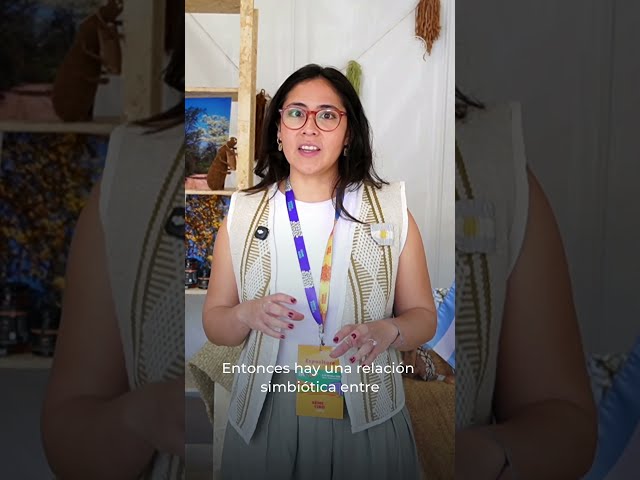
En la feria "De la Semilla al Alimento", Ana Laura Sayago presenta las mieles orgánicas Wayra, que combinan producción sostenible, conservación del monte nativo y desarrollo de comunidades rurales en Argentina. ¡Suscríbete! YouTube Sigue a la FAO en redes sociales: Facebook, Instagram, LinkedIn, TikTok, X, Weibo. © FAO: fao.org #SDGs #Agenda2030 #GlobalGoals

In Uganda's Rwenzori region, communities in Ntoroko, Bundibugyo, and Kasese are better prepared for drought and climate shocks following severe flooding in early 2024. With support from the Federal Government of Germany, FAO's anticipatory action approach provides early warning information, enabling timely decision-making and enhancing resilience through access to water and cash assistance. This initiative empower...

Tajikistan hosts the 35th FAO Regional Conference for Europe (ERC35) from May 11-15, 2026, bringing together FAO Members from Europe and Central Asia. The conference, themed "Uniting for sustainability," focuses on integrating climate action, biodiversity, and land restoration to advance resilient agrifood systems. Aligned with the FAO Strategic Framework, discussions cover sustainable natural resource management,...

Oromia and Somali regions faced a devastating 2020-2022 drought, the worst in 40 years, causing nearly seven million livestock deaths, rangeland depletion, and livelihood loss. Despite recent rains, recovery remains slow, with 3.7 million people at risk from forecasted below-average rainfall in March-May 2025. With USD 1.26 million from the Government of Sweden, FAO implemented an anticipatory drought mitigation p...
Environmental Scientist and Advocate

