



What's Happening at COP15?
FacingFuture
At the COP15 Biodiversity Conference in Montreal, John D. Liu, Paul Beckwith, Raya Salter, and Dale Walkonen provided an update. They discussed the #30by30 proposal, which aims to conserve 30% of the world's lands and oceans for nature by 2030. Key questions regarding implementation, governance, indigenous involvement, and funding remain unresolved.
Addressing the Climate Crisis requires restoring natural systems. The final agreement, crucial for this effort, is being finalized and expected by Friday, December 19th.
For more information on the state of our planet, visit the FacingFuture Library at https://facingfuture.earth/library.
You might also like

Gopher tortoises are critically endangered, yet federal wildlife officials deny them protections under the Endangered Species Act across most of their range. The Center for Biological Diversity has filed a lawsuit to challenge this decision, bolstered by new research advocating for their protection. These tortoises are keystone species, with their burrows supporting over 360 other species. Unfortunately, habitat d...

For a dopamine boost, watch baby kit fox siblings frolicking near a California den site on Instagram or YouTube. These tiny foxes—North America’s smallest native canines—frequently move den sites to evade predators, using over 60 different dens annually. For decades, the Center for Biological Diversity, a Tucson-based 501c3 nonprofit, has fought to save these foxes from habitat loss, oil and gas development, and o...
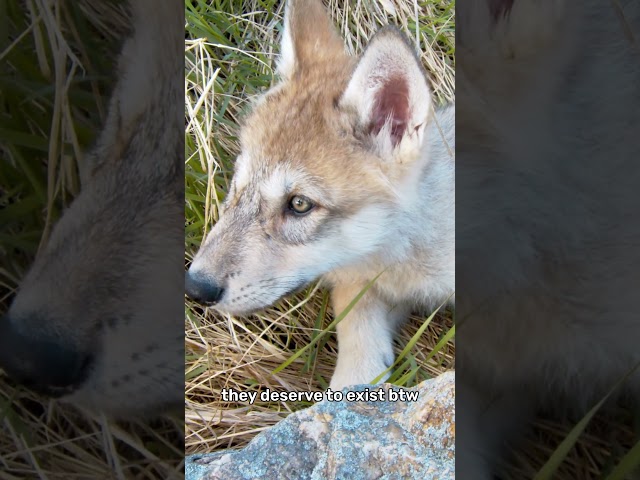
Last week, Trump announced an executive order to remove endangered species protection for gray wolves and Mexican gray wolves, jeopardizing decades of conservation efforts. With only 317 Mexican gray wolves remaining in the wild, it is crucial to advocate for their protection. The Center for Biological Diversity, a nonprofit based in Tucson, Arizona, is committed to preserving the diversity of wild animals and pla...

The EPA recently approved phosphogypsum, a radioactive waste, for use in road construction. This decision allows the fertilizer industry to avoid the significant costs of storing this material. However, this approval exposes public health and the environment to unreasonable risks. The move prioritizes industry profit over safety, raising serious concerns about the long-term impact of radioactive waste in our infra...
Environmental Scientist and Advocate

