



Here's how we rid the world's oceans of plastic
The Ocean Clean Up
Between 100,000 and 300,000 tons of plastic enter the world’s oceans via rivers annually, adding to the 100,000 tons already polluting the Great Pacific Garbage Patch. This urgent global mission demands immediate action.
Solving this requires a multifaceted approach: intercepting river plastic, cleaning up existing pollution, fostering partnerships, and securing worldwide support. This vital work is already underway.
Stay updated by subscribing here. Learn more and support us at The Ocean Cleanup. Follow us on Facebook, Instagram, TikTok, and X.
You might also like
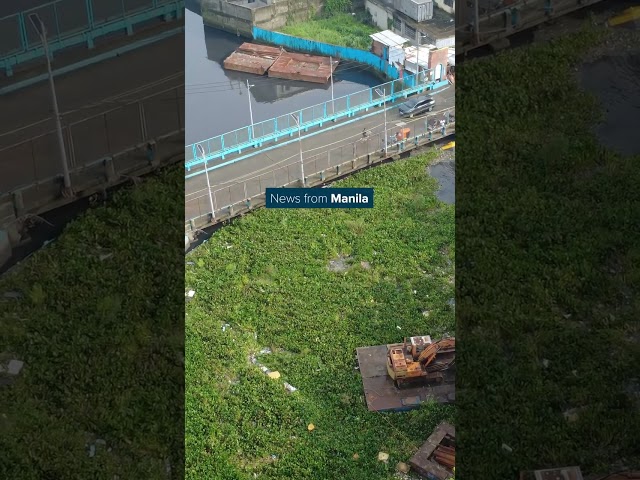
Interceptor 028 is now operational in the Philippines, targeting the 370 to 540 tonnes of plastic that flow through the Meycauayan River system into Manila Bay annually. Collaborating with the City of Meycauayan and the City Environment and Natural Resources Office (CENRO), we aim to monitor and enhance the interceptor's performance. This deployment is the first of several planned for the Manila Bay region under o...

Discover the latest developments at The Ocean Cleanup during November. For more details on our various projects, please visit our website.


The Great Pacific Garbage Patch (GPGP) is the largest offshore plastic accumulation zone, located between Hawaii and California. Each year, an estimated 1.15 to 2.41 million tonnes of plastic enter the ocean from rivers, with over half of it being buoyant and unable to sink. The GPGP spans approximately 1.6 million square kilometers, twice the size of Texas. Its location and shape fluctuate due to seasonal and int...
Environmental Scientist and Advocate

