



Financing the Energy Frontier for Anchorage | Green Banks
The Fall 2019 Presidio Graduate School (PGS) Capstone Showcase featured a project titled "Financing the Energy Frontier for Anchorage." A team assessed a green investment bank model to address Anchorage's climate goals, analyzing legal structures and leveraging multi-sector partnerships.
PGS is an accredited, nonprofit graduate school founded in 2003, offering unique sustainable MBA, MPA, and dual degree programs. Its systems-thinking methodology emphasizes that real change occurs at the intersection of private enterprise, the public sector, commerce, and the common good.
Learn more about PGS, its mission, and programs at presidio.edu or call 415-561-6555.
You might also like

Climate change demands urgent action from the world’s largest corporate emitters and their investors. Ceres, a sustainability nonprofit, is at the forefront of this effort, driving progress at the necessary speed and scale. Mindy Lubber, CEO and President of Ceres since 2003, is a global thought leader inspiring institutional investors and corporate executives to integrate sustainability into decision-making. Unde...

During the Investor Summit on Climate Risk at U.N. Headquarters in NYC, Vibeka Mair, Senior Reporter at Responsible Investor, interviewed Denis Duverne, Deputy Chief Executive Officer of AXA Group. They discussed environmental investment topics, highlighting AXA's commitment to issue $3 billion in green bonds. This interview was originally published on March 14, 2016, on the Ceres YouTube Channel.
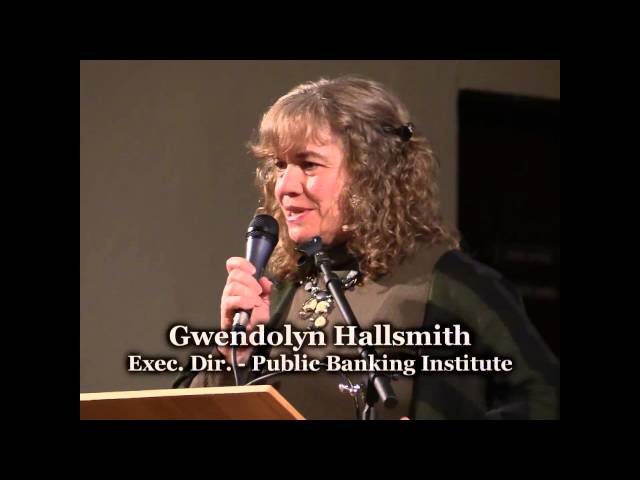
A public forum, "The Possibilities for a Public Bank in Seattle," recorded December 10, 2014, explored how residents could benefit from public banking. Moderated by Way ne Lau of Rainier Valley Community Development Fund, the event opened with Senator Bob Hasegawa emphasizing the long-term impact of such initiatives. The distinguished panel included Council member Licata; Karl Beitel, Director of the Public Bank P...

Judith Rodin emphasizes that future preparation requires building better cities. Dozens of global cities, from New York to Dhaka, have recently endured large-scale catastrophes, including natural disasters, conflicts, and disease. In our interconnected world, these events harm vulnerable individuals, destabilize communities, and threaten entire societies. Facing increasing city-wide risks, we must improve our abil...
Environmental Scientist and Advocate

