



Fish Stories: Success and Value in Seafood Traceability
Oceana
Knowing where your seafood comes from is crucial. An opaque supply chain enables illegal fishing, fraud, health risks, and human trafficking, threatening oceans and consumers. Traceability, by tracking fish from boat to plate, ensures transparency and accountability, making seafood safe, legal, and honestly labeled.
Learn more about seafood traceability at oceana.org/FishStories.
Music by Adam Lindquist: adamlindquist.com. Sounds via Freesound.org, by various users.
You might also like

🦈 Healthy oceans depend on sharks. These vital predators maintain balance in ocean ecosystems by regulating prey populations and preying on old and sick fish, which promotes overall fish health. Protecting these iconic ocean animals is crucial now more than ever.

The King Penguin, nearly three feet tall, is the world's second-largest penguin, surpassed only by the Emperor Penguin. Learn more in our Marine Life Encyclopedia: Marine Life Encyclopedia. Join our community of Wavemakers by subscribing to our channel. Stay connected with us on social media: Follow us on Instagram, Twitter, and Facebook.

Alfredo Giron-Nava, an André Hoffmann Fellow with the Stanford Center for Ocean Solutions and the World Economic Forum, is a co-founder of dataMares. Drawing on his expertise in science, communication, and data visualization, Alfredo helps dataMares advance sustainable fisheries management and reduce illegal, unregulated, and unreported (IUU) global catch. Support this crucial work at dataMares.org.
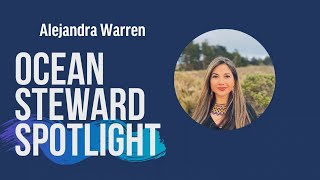
Alejandra Warren, a San Francisco-based sustainability consultant and intersectional environmentalist, co-founded Plastic Free Future in 2020. This non-profit organization is dedicated to reducing and eliminating plastic pollution. Plastic Free Future achieves its mission by promoting reusable alternatives and focusing on education for systematically excluded communities. Support Alejandra's vital work at plastic-...
Environmental Scientist and Advocate

