



This Sea Slug Self-Decapitates for Survival
Center for Biological Diversity
A remarkable sea slug possesses the extraordinary ability to detach its head from its body. Astonishingly, the disembodied head can continue to roam and function normally, despite lacking a heart or anus.
Even more incredibly, this detached head is capable of regenerating an entirely new body within just three weeks. Discover more about this fascinating biological phenomenon at the New York Times: http://biodiv.us/3clq6IS
You might also like

Florida panthers, alligators, bears, bobcats, deer, and coyotes safely navigate wildlife crossings beneath highways, often unnoticed by humans commuting above. These crucial structures provide a secure passage for animals, mitigating the impact of habitat fragmentation. Wildlife crossings are a highly effective solution, offering a win-win for both ecosystems and human safety. They significantly reduce the risk of...
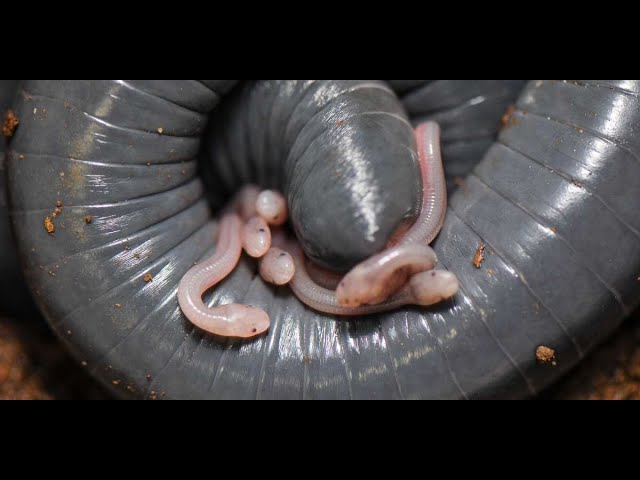
Mammals aren't the only animals feeding their young with bodily secretions. Caecilians, limbless tropical amphibians, have species whose young are born with teeth and feed on their mothers’ skin. These egg-hatched youngsters can also prompt their mothers to eject a high-fat, high-protein substance from their cloacae by making specific clicking noises. This fascinating discovery highlights the incredible diversity ...

Observe a red bat as it captures a moth during its nocturnal flight. These bats are incredibly efficient predators, capable of consuming 500 to 1,000 insects in just one hour.

Remote cameras recently captured rare flat-headed cats (Prionailarus planiceps) in Thailand, unseen since 1995. These nocturnal felines, threatened by habitat loss, are now a focus for conservation efforts. Learn more about Panthera Thailand: panthera.org/panthera-thailand-and-regional-team. The Center for Biological Diversity, a 501c3 nonprofit, secures a future for all species. Believing human welfare links to n...
Environmental Scientist and Advocate

