



يلوچوست4: أداة لإدخال ونقل بيانات الجراد عبر القمر الصن
United Nations Food and Agricultural organization
eLocust4 enables real-time satellite data transmission from field officers in locust-affected countries to national centers. This data is crucial for FAO's global Desert Locust monitoring and early warning system (DLIS).
The information helps assess situations, forecast developments, and warn nations and donors about invasions. It also underpins FAO's preventive control strategy to reduce destructive locust outbreaks.
Subscribe to FAO on YouTube and follow us on social media: Facebook, Instagram, LinkedIn, TikTok, Twitter, and Weibo. © FAO: fao.org #SDGs #Agenda2030 #GlobalGoals
You might also like
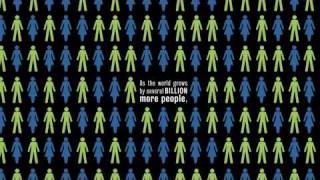
The University of Minnesota's Institute on the Environment (IonE) addresses critical global challenges, including how to sustainably feed a growing population. This slideshow explores the intersection of agriculture and population dynamics. For more information, visit environment.umn.edu.

Nuclear science plays a significant role in our food supply. The Food and Agriculture Organization of the United Nations and the International Atomic Energy Agency utilize nuclear techniques to develop crops that are more resilient to drought, disease, and other challenges, providing farmers with better options for adaptation. This #WorldFoodDay, explore how innovation in agriculture can contribute to a more susta...

The International Day of the Potato will be globally celebrated on May 29, 2026, hosted by the Kingdom of Lesotho. FAO Director-General QU Dongyu shared a video message for this occasion. The theme, "Where potatoes grow, livelihoods flourish," underscores the crop's vital role. Potatoes are crucial for supporting farmer livelihoods and value chains worldwide, from their Andean origins to communities across Africa,...

This video from Karamoja, Uganda, showcases the extensive knowledge of pastoralists regarding their rangelands. Through the experiences of Maria Koriang, Longoli John, and others, it discusses livestock mobility, changing grazing conditions, and the necessity for grazing areas to recover. It also emphasizes the often-overlooked contributions of pastoralist women in land, water, plants, and animal care. Produced by...
Environmental Scientist and Advocate

