



American Burying Beetle Mural
Center for Biological Diversity
The Endangered Species Mural project in Tulsa, by artist Roger Peet, features the American burying beetle. These unique insects are efficient recyclers, known for burying small animal carcasses to feed their larvae. Once common, they are now rare. The Center for Biological Diversity works to prevent their extinction. Learn more about American burying beetles here and the Mural Project here.
The Center for Biological Diversity is a 501c3 nonprofit securing a future for all species. Believing human welfare is linked to nature's diversity, we use science, law, and media to protect vital habitats. Visit our website or email center@biologicaldiversity.org for inquiries.
You might also like

The Center and three Alaska Native Tribes have sued the Trump administration for illegally trading federal land vital to tribal members. This land swap threatens Izembek, a globally important migratory bird staging area. Its critical eelgrass wetlands support emperor geese, black brant, and other birds essential for tribal subsistence. A proposed road would irreparably damage this habitat, undermine traditional fo...
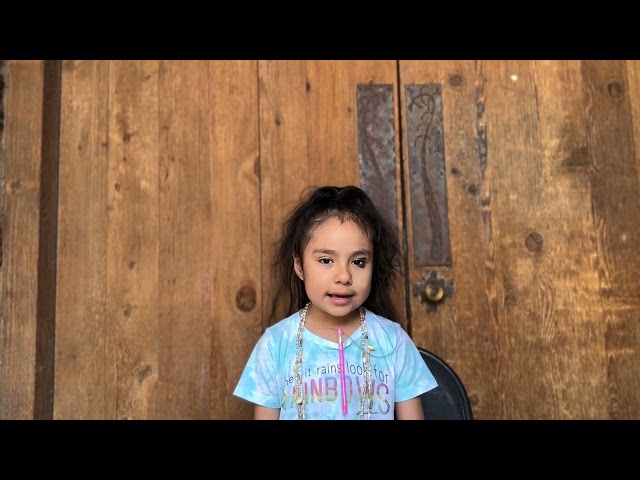
Members of the Tohono O’odham Nation in southern Arizona recently named the newest wild jaguar entering the U.S. from Mexico. They dubbed him O:á¹£had Ñu:kudam, meaning "Jaguar Protector" in the O’odham language. Eight-year-old Kii’yaa’nii Ross, a Yaqui/Diné student who helped promote the naming through the EcoTruths for Indigenous Youth program, highlighted the jaguar's significance. The Center for Biological Div...

Despite a previously unknown jaguar sighting in southern Arizona, border-wall construction crews recently detonated explosions in Coronado National Memorial. This destruction impacts federally protected critical jaguar habitat, along with threatened Mexican spotted owls and the endangered beardless chinchweed flower. Russ McSpadden of the Center for Biological Diversity, who filmed the destruction, stated the wall...

Over 8 million tons of plastic pollute our oceans annually, devastating wildlife, beaches, and ecosystems. The facilities producing this plastic, often in low-income areas, also poison local air and water. This week's conversation will address fighting plastic pollution at its source. We'll discuss the industry's planned production increase, our strategies to stop it, and why recycling isn't a viable solution. The...
Environmental Scientist and Advocate

