



We Protect the Endangered Species that Need Help. #savingspecies
Center for Biological Diversity
The Center for Biological Diversity tirelessly protects endangered species. Our formidable team of lawyers and scientists works to safeguard all life on Earth.
Legal experts engage in strategic litigation, challenging policies and practices that endanger species and ecosystems. Simultaneously, our scientists conduct rigorous research to inform conservation strategies and policy recommendations.
Stand with thousands whose monthly donations sustain our nonstop work to save wildlife, wild places, and the planet. A $24 monthly gift or a one-time donation makes a difference. Donate today: Support the Center. Follow us: @centerforbiodiv.
You might also like

Coyotes hold a complex and often contradictory place in the American imagination, viewed as everything from gods and tricksters to pests and heroes. Praised for their intelligence and adaptability, they are simultaneously reviled for impacting livestock and encroaching on urban areas. These wild canines are ubiquitous across America, silently navigating Hollywood boulevards, New York City alleys, Florida pasturela...

Male mountain lions create scrapes—mounds of dirt, urine, and scat—that serve as vital communication tools. These scrapes function like a dating profile; if a breeding-ready female encounters a male's pile, she may urinate on it, signaling her presence and willingness to mate. Beyond mating signals, scrapes also mark the boundaries of a male cougar's territory. By advertising his dominance in a specific area, the ...
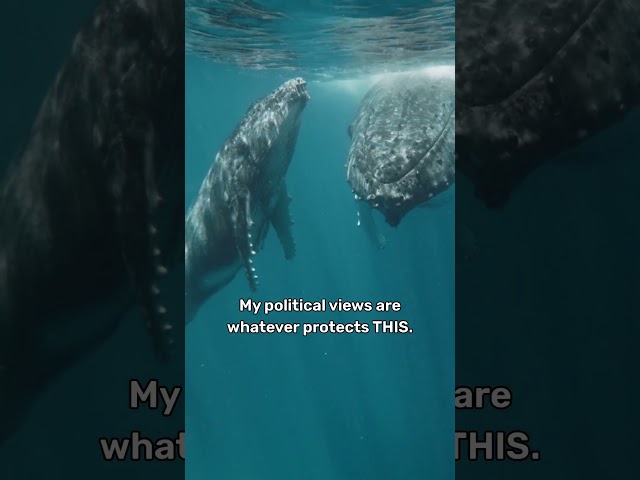
The Endangered Species Act is facing significant rollbacks that threaten the survival of numerous plants and animals reliant on this crucial law. Recent congressional proposals aim to weaken the Act's review process and eliminate protections for vulnerable species, including polar bears, manatees, and sea turtles. These changes could push already endangered species closer to extinction. It is essential to protect ...
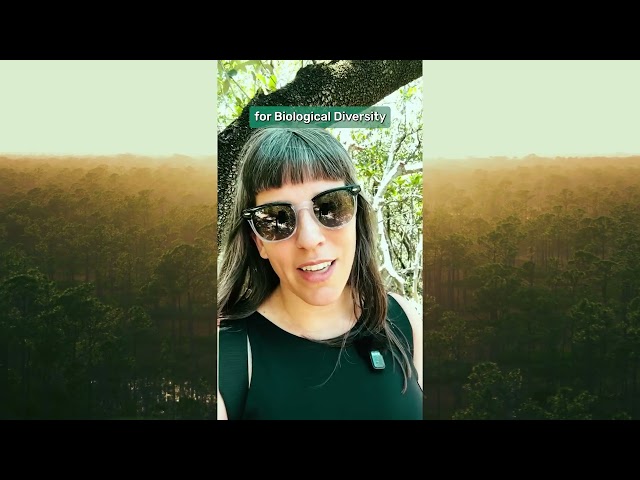
Florida panthers, with likely fewer than 200 remaining, face critical habitat loss in southwest Florida. Development confines them to shrinking pockets, forcing dangerous crossings and threatening their survival. Now, another large-scale residential and commercial project threatens to eliminate nearly 5,000 more acres. This will inevitably lead to increased roads, vehicle strikes, and deadly conflict over their li...
Environmental Scientist and Advocate

