- Sustainability Champions
- Big Challenges
- Environmental
- Social
 Farming and Food Production
- The Sustainability Mindset
- What is Sustainability?
- Corporate Social Responsibility (CSR)
- Conflict-free Minerals
- One Water
- Design and Architecture
- Ecotourism and Sustainable Tourism
- Equal Rights for Women and Girls
- Sustainability in Higher Education
- Empathy and Consciousness
- Health and Wellness
- Culture and Consciousness
- Leadership Development
- Economic
- Events
- Places
- Series
- Indigenous Peoples Month
- Earthsayers INCONVERSATIONS
- Long Now Foundation
- Called From Darkness
- AI for Good
- Global Warming Teaching Circle
- Reconciling Ways of Knowing
- Sustainable Today
- Native Perspectives on Sustainability
- Peak Moment
- The Natural Way: Indigenous Voices: Speaker Series
- Sustainability Pioneers
- 24 Hours of Reality by The Climate Reality Project
- Ray Anderson Memorial Interviews
- The Ways: Great Lakes Native Culture & Language
About This Collection
Native American Heritage Month—widely recognized as Indigenous Peoples Month—is observed annually in the United States throughout November. It honors the histories, cultures, governance, and ongoing contributions of Native Americans, Alaska Natives, Native Hawaiians, and affiliated Island communities.
This is a series of short videos produced by Bob Trench for distribution on EarthSayers.org, it's Social Media Network, and through the Podcast network with the objective of bringing forward the unfiltered voices of Native Americans.
Curated by mokiethecat
 November 23, 2026 Elizabeth Warren calls for a fundamental reset in relations between the federal government and Tribal Nations, arguing that sovereignty, treaty obligations, and essential services must be honored through action rather than promises. Speaking during the 2020 presidential campaign, she presents a vision of government-to-government partnership built on respect, accountability, and sustained investment. Her central message is that the United States must change the structures that have allowed it to acknowledge its responsibilities to Native peoples while repeatedly failing to fulfill them. Introduced by Deb Haaland, Warren begins by recognizing the resilience, leadership, and innovation she encounters across Indian Country. She acknowledges Tribal leaders, entrepreneurs, students, and advocates working to strengthen their communities. She also offers a personal apology for harm she has caused, saying she has listened and learned. She then turns to the federal government’s history of broken promises, framing her proposals as obligations rooted in the trust and treaty relationship, not optional assistance or political generosity. Throughout the speech and discussion, Warren returns to “big structural change.” Full funding for housing, health care, education, and infrastructure, she argues, should not depend on scattered legislative fixes or minor regulatory adjustments. A meaningful nation-to-nation relationship requires rules, resources, and institutions that make federal commitments dependable. Her answers connect the recognition of Tribal sovereignty with the practical means to exercise it, emphasizing that legal authority without adequate funding leaves communities unable to meet urgent needs. |

You’re an Eagle, Not a Chicken: Reclaiming Native Identity by Don Coyhis

Melvin Lee Houston — Where are the ancestors, and why have they not been brought home?

A Working Definition of Historical Trauma

Mike Her Many Horses — A Brief History of Wounded Knee
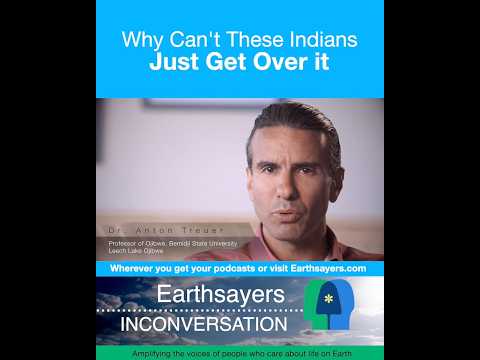
Anton Treuer & Rick McArthur discuss Why are Native peoples are told to “just get over” the past.

Watch the trailer for Dodging Bullets—Stories from Survivors of Historical Trauma. The new

The Truth About Treaty Rights
 on Twitter
