




Showing 20 search results of 5,118 videos found for

Plastic offset is an emerging environmental paradigm designed to combat global plastic pollution. It aims to fund underfunded waste management social enterprises in the developing world, which offer ethical solutions but struggle to scale.
Inspired by carbon credits, plastic offset provides a transformative funding mechanism to accelerate a circular economy. Achieving meaningful impact is challenging, given the complex interplay of consumer responsibility and producer accountability, but entirely possible.
This initiative will explore local needs and global systems governing waste, from Mumbai to New York.

Former British Petroleum CEO John Browne states that BP initiated significant efforts to shift its focus towards renewable energy. These steps were designed to "change mindsets" within the company.
Browne further argues that BP was a pioneer in this transition, being one of the first oil companies to embrace a more renewable energy-centric approach.
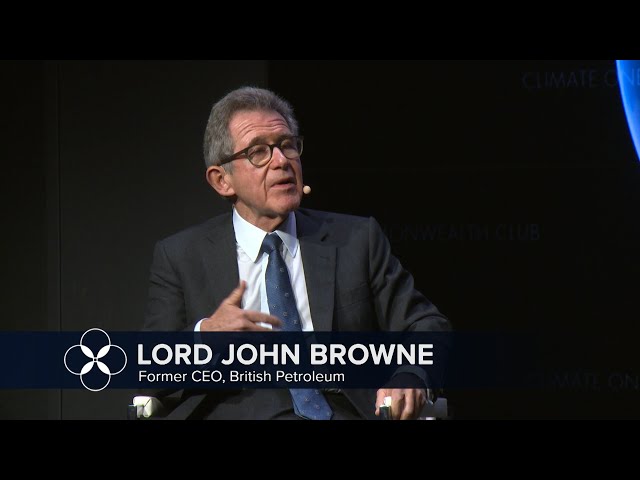
Former BP CEO John Browne agrees that current progress falls short of meeting deadlines set by the latest climate science.
He suggests that accelerating conservation efforts, particularly by replacing outdated technologies with newer ones, could help achieve these critical goals.

A Dutch company is transforming food typically fed to farmed animals into plant-based meat substitutes. Developed with Wageningen University scientists, vegetarian butcher Jaap Korteweg produces burgers, mince, and kebabs that look, feel, and taste like real meat.
This innovative method uses a fraction of the resources needed for animal farming, significantly reducing space and feed. This creative approach not only offers sustainable food alternatives but also contributes to tackling climate change and protecting our planet.
This initiative is part of the #OurPlanet collaboration with the World Economic Forum, showcasing new solutions for climate action and nature restoration. Stay tuned for more inspirational stories.

Transforming our energy infrastructure to meet greenhouse gas (GHG) reduction goals necessitates deploying electric vehicles and energy storage. However, their real-world effectiveness depends on proper grid integration and careful planning. Research by Brian Tarroja and his UC Irvine colleagues identifies these critical integration needs and life cycle planning considerations to ensure the full GHG benefits of these technologies are realized in future electricity systems.
This program is from the Institute for Energy Efficiency, presented by UCTV. As the University of California's broadcast and online media platform, UCTV offers in-depth programming from its campuses and research institutions, exploring a broad spectrum of subjects for a global audience, embodying UC's core missions of teaching, research, and public service. Visit UCTV for more.
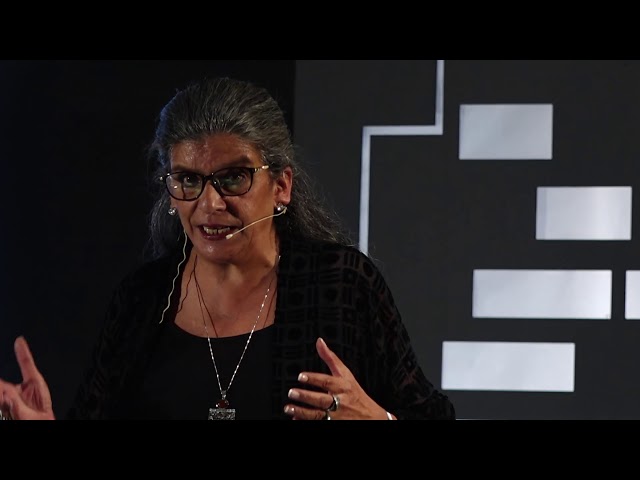
Naheed Mooraj, an educationist, founded The Bee's Knees, an initiative offering organic food wraps as an alternative to single-use plastic. This venture reflects her commitment to environmental sustainability.
With over 18 years in education, including establishing a school for underprivileged children, Naheed shifted her focus to creating practical solutions for a cleaner planet. Born and raised in Pakistan, she is passionate about fostering a sustainable future for her country. This talk was delivered at a TEDx event. Learn more at https://www.ted.com/tedx.

The Fried Egg Jellyfish, also known as Egg-Yolk Jellies, earns its name from its distinctive appearance. Its translucent bell features an elevated yolk-yellow center, resembling a cracked egg floating in water. Discover more in our [Marine Life Encyclopedia](http://bit.ly/32JnAp9).
Join our community of Wavemakers by subscribing to our channel. Stay connected with us on [Instagram](https://www.instagram.com/oceana/), [Twitter](http://twitter.com/oceana), and [Facebook](https://www.facebook.com/oceana/).

Less than 1% of clothing is recycled, leading to a truckload of textile waste entering landfills every second. However, some designers and brands are challenging this linear "take-make-waste" model by embracing sustainable practices.
A prime example is Rapanui, founded by two brothers on the Isle of Wight. They create clothing from natural materials using renewable energy, designing products for circularity. Worn-out items are recovered to make new ones, and t-shirts are produced on-demand to eliminate overproduction. Rapanui also provides a free platform for global access to their supply chain and technology.
Discover more about their ambitious journey to redesign the fashion industry. Multistreaming with Restream.io.

The built environment consumes half the world's materials, with global construction projected to add Paris-sized floor space weekly by 2060. This necessitates the industry's urgent adoption of circular principles on a large scale.
This session, livestreamed via Restream.io and featuring experts from Arup and GXN Innovation, will explore how to implement these principles and present a compelling business case to drive industry action.
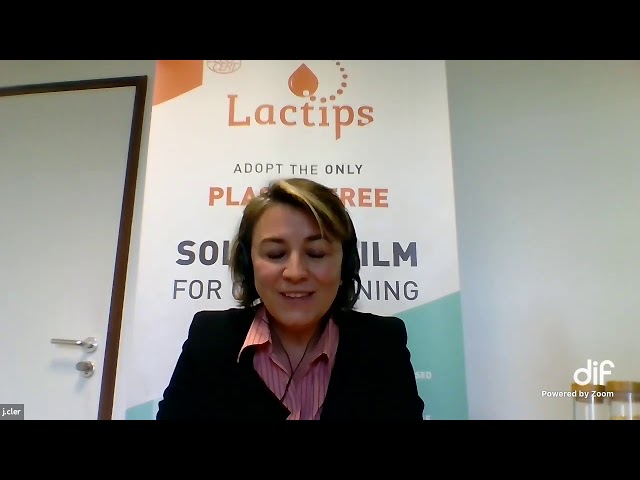
Five years ago, Lactips pioneered the world's first environmentally friendly plastic, crafted from industrial casein and natural additives. This 100% biosourced, biodegradable material boasts specialty plastic properties, including gas barrier, water solubility, and edibility.
Its unique, patented technology offers a significant opportunity to transform non-biodegradable flexible packaging and substitute single-use plastics in detergency, food, and building applications.
Explore Lactips' journey, scalability, and challenges with founder Marie-Hélène Gramatikoff. Watch the session here.

This session, streamed via Restream.io, addresses the pressing environmental impact of takeaway coffee cups, focusing on wastefulness and recyclability challenges. There's growing demand for improved design, reuse, and recycling solutions to combat ocean plastics and other waste concerns.
Join us to learn how DS Smith is tackling this problem. They developed a scalable coffee cup recycling solution for standard paper mills and launched their innovative Coffee Drop Box. We'll also hear from the Head of Environment at a major UK coffee retailer, discussing the challenges of single-use cups and the roles of reuse and recycling in changing consumer habits.

The Los Angeles fashion industry is substantial, comprising over 11,000 businesses and 38,000 employees. Mayor Garcetti's Green New Deal (GND), an update to the city's 2015 Sustainability pLAn, aims for zero waste and net zero carbon emissions by 2050. The GND specifically mandates engaging the textile and apparel industry to implement zero-waste manufacturing strategies and divert unwanted garments from landfills.
This session will explore current city-level initiatives and how LA-based brands and manufacturers are adopting zero-waste strategies and operating within a circular economy framework.


Indonesian reuse businesses present a promising niche market with the potential to disrupt the single-use plastics crisis. Latest infographics showcase their development on Java and the significant potential for accelerating this movement.
Three remarkable entrepreneurs are leading the charge with innovative circular business models. Kecipir offers an e-commerce platform for fresh produce delivered through a reusable system. Muuse provides a seamless deposit system for reusable cups and containers, powered by a mobile app and smart return stations. Zero Waste Warung implements a blockchain-inspired refill system using reusable sachets across a network of local warungs.
Meet these innovators and engage in a live discussion on strategies needed to rapidly scale and accelerate reuse businesses.

In an age where governments and businesses hold vast amounts of our data, protecting privacy and ensuring democratic information use is paramount. Cities, home to over half the global population and centers of innovation, are crucial for developing new technologies and business models.
However, truly "smart cities" depend on "smart citizens." This requires guaranteeing access to opportunities that develop critical skills for interacting with new technologies.
Join Mara Balestrini, CEO of Ideas for Change, to explore how citizens can harness their city's data to address local problems.

Woody Chan argues that climate change is solvable, despite feelings of helplessness. Drawing from his experience at China Water Risk, which evolved into a leading think tank in seven years, he shares how he overcame similar despair.
Chan proposes innovative solutions, from 3D printing steaks and capturing cow farts to slowing fashion. A Cambridge Geography graduate (2016) concerned with wastewater discharge, he joined China Water Risk, an NGO providing ecological and financial consultancy.
Currently, Chan aims to tackle water and climate risks from a business and financial perspective. This talk was given at a TEDx event. Learn more at https://www.ted.com/tedx.
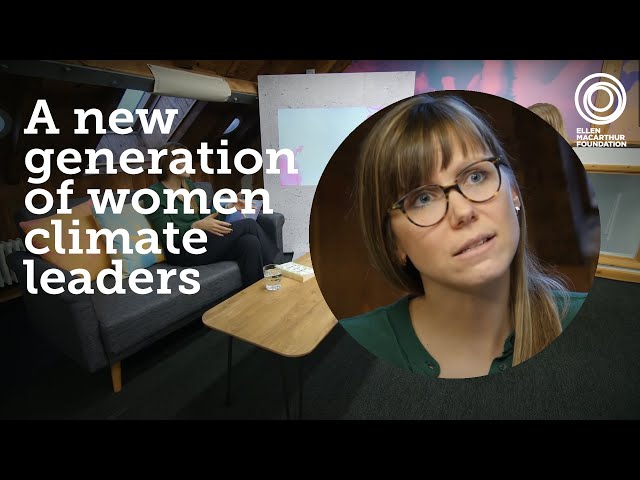
C40's Women4Climate initiative empowers women to lead climate action. Through a global mentorship program and leadership events in C40 cities, it aims to foster new thinking and momentum among future leaders.
Women, who comprise over half the world's population, are often disproportionately impacted by climate change but lack representation in decision-making. Enhancing their participation and leadership is crucial for a healthy, prosperous, and sustainable future for all.
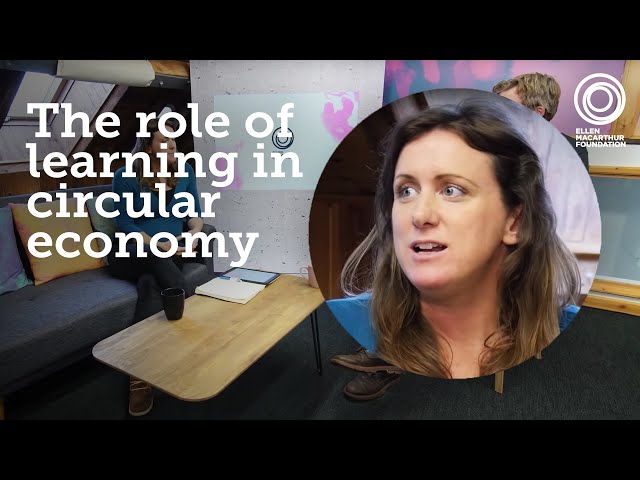
Our thinking, shaped by learning, influences the world. Adopting a circular economy demands a learning journey, new practices, and a significant mindset shift.
The Ellen MacArthur Foundation supports this transition. Our Learning Team works across schools, universities, businesses, and informal settings to foster new mindsets. Tune in to learn more about our work and its impact.

Human population and demands are rapidly growing, straining our finite resources. By 2050, feeding 10 billion people will require more land, farmers, and energy. The critical challenge is achieving this while regenerating our already degraded planet.
Discover how regenerative agroforestry offers a vital solution. This agricultural system mimics nature, preserving forests, mitigating climate change, and restoring planetary health.
Join Felipe Villela, founder of reNature, and Patrick Worms from the World Agroforestry Centre, to learn more.
Environmental Scientist and Advocate
What EarthSayers stands for
Discover Diverse Voices on EarthSayers
Unlike algorithm-driven platforms that push you into a content bubble, we ensure you hear a variety of perspectives from scientists, activists, Indigenous leaders, business innovators, and everyday citizens working toward sustainability.
EarthSayers CINEMA
Watch, learn and lead—sustainability starts with you.
The Thinking Game | Full documentary | Tribeca Film Festival official selection
“The Thinking Game” is the inside story of DeepMind's groundbreaking AI research, culminating in the Nobel Prize-winning AlphaFold breakthrough. Filmed over five years by the award-winning team behind "AlphaGo," this documentary explores co-founder Demis Hassabis's lifelong pursuit of artificial general intelligence and the rigorous scientific journey from mastering strategy games to solving the 50-year-old protein folding problem.
Following its world premiere at the Tribeca Festival, "The Thinking Game" is now available to watch for free. For those interested in hosting a screening for a classroom, community, or workplace, visit: rocofilms.com/films/the-thinking-game/.


