




Special Collections:
Life on Earth

Alligator hatchlings hone their solo hunting skills at night, under the watchful eye of their mother during the day. This clip is from 'Natural World: Florida - America's Animal Paradise' (2019).
Welcome to BBC Earth, your destination for 50 years of captivating natural history content. Explore dramatic, rare, and exclusive stories of our planet's beauty and wonder. Subscribe to our channel and sign up for our newsletter to stay updated.

This video delves into the fascinating science behind the outlandish methods animals employ to find mates and raise families. These captivating clips are sourced from 'Natural Born Rebels' (2018).
Welcome to BBC Earth, your premier destination for 50 years of entertaining and thought-provoking natural history. Explore dramatic, rare, and exclusive stories that reveal the beauty and wonder of the natural world.
For more incredible wildlife content, subscribe and sign up for our newsletter.

These scenes capture some of Africa's most extraordinary wildlife encounters, from giraffes competing for dominance to hatchlings struggling for survival.
For more incredible wildlife content, subscribe to BBC Earth. Stay updated with the latest news, updates, and exclusives by signing up for our newsletter.

Welcome to BBC Earth, your destination for 50 years of entertaining and thought-provoking natural history content. Discover dramatic, rare, and exclusive stories from the natural world.
Subscribe for more amazing content [here](http://bit.ly/BBCEarthSub) and get exclusive updates via our newsletter [here](https://www.bbcearth.com/newsletter). Explore our extensive natural history collection, including the Best of BBC Earth [here](https://bit.ly/BestOfBBCEarth).
This is a commercial page from BBC Studios. For service information and feedback, visit [bbcworldwide.com](http://bbcworldwide.com/vod-feedback--contact-details.aspx).

Subscribe to BBC Earth [here](http://bit.ly/BBCEarthSub) for captivating natural history content. Sign up for our [newsletter](https://www.bbcearth.com/newsletter) to receive the latest updates and exclusives.
Welcome to BBC Earth, your destination for 50 years of entertaining and thought-provoking natural history. Discover dramatic, rare, and exclusive content, including popular series like Planet Earth III 🌍, Frozen Planet II ❄️, and Blue Planet II in 4K 🌊, alongside best-of compilations and animal fights. Explore more [here](https://bit.ly/BestOfBBCEarth).
This is a commercial page from BBC Studios. For service information and feedback, please visit our [contact details page](http://bbcworldwide.com/vod-feedback--contact-details.aspx).

Welcome to BBC Earth, your destination for 50 years of captivating natural history content. Discover the world's beauty, wonder, and dramatic stories through rare and exclusive nature videos. Explore our extensive collection, including playlists like [Best of BBC Earth](https://bit.ly/BestOfBBCEarth) and [Planet Earth III](https://bit.ly/PlanetEarthIIIPlaylist).
Stay updated by [subscribing](http://bit.ly/BBCEarthSub) and signing up for our [newsletter](https://www.bbcearth.com/newsletter) for the latest news and exclusives. This is a commercial page from BBC Studios. For service information and feedback, please visit [bbcworldwide.com/vod-feedback--contact-details.aspx](http://bbcworldwide.com/vod-feedback--contact-details.aspx).

Witness a young penguin chick's perilous journey towards independence, supervised by its father. How will it navigate dangers and evade predators? Explore this and 50 years of dramatic, rare, and exclusive natural history content on BBC Earth, where nature's most exciting stories unfold.
Subscribe to BBC Earth for more amazing wildlife content: http://bit.ly/BBCEarthSub. Stay updated with the latest news and exclusives by signing up for our newsletter: https://www.bbcearth.com/newsletter. Discover more series like Planet Earth III and Frozen Planet II.
This is a commercial page from BBC Studios. For service information and feedback, please visit http://bbcworldwide.com/vod-feedback--contact-details.aspx.
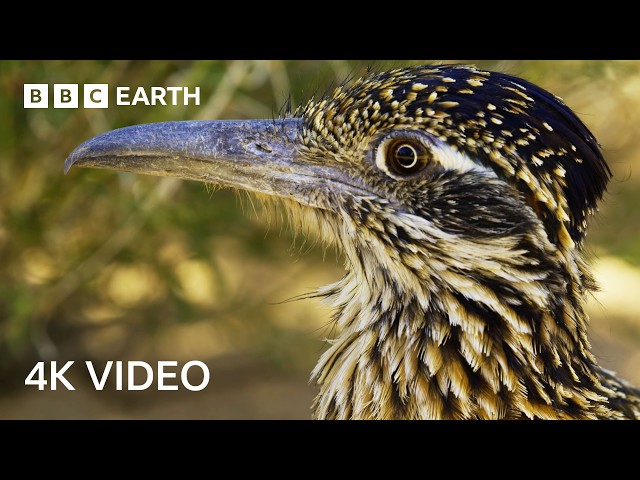
Explore the world's most beautiful scenes, from dizzying mountain heights to the depths of our oceans, with BBC Earth. We offer 50 years of entertaining and thought-provoking natural history content, showcasing the planet's stories, beauty, and natural wonders. Discover dramatic, rare, and exclusive wildlife documentaries.
Subscribe to BBC Earth for more incredible content: http://bit.ly/BBCEarthSub. Stay updated with our newsletter for exclusives: https://www.bbcearth.com/newsletter. Discover captivating series like Planet Earth III https://bit.ly/PlanetEarthIIIPlaylist and other playlists, including Best of BBC Earth https://bit.ly/BestOfBBCEarth.

The Center and three Alaska Native Tribes have sued the Trump administration for illegally trading federal land vital to tribal members. This land swap threatens Izembek, one of the world's most important migratory bird staging areas. Critical eelgrass wetlands, relied on by emperor geese, black brant, and other birds that sustain these communities, face irreparable damage from a proposed road.
This unlawful giveaway would undermine subsistence food systems and set a dangerous precedent for all 104 million acres of Alaska's protected wildlands. We are fighting to stop this destruction and urge you to stand with us.

Join Tim McGee for a live conversation exploring how manufacturing and materials can draw inspiration from living systems. From self-healing fibers to future electronic systems, his work reveals how biology can spark a materials revolution, building resilience and reshaping our relationship with nature.
Tim, a resident at the Astera Institute, leads a lab pushing fiber manufacturing boundaries, inspired by nature's playbook. With over a decade of experience, he translates biological insights into real-world innovation, using biomimicry to connect science with future technologies.
Learn more: [Biomimicry Institute](https://biomimicry.org/), [AskNature](https://asknature.org/), [Community](https://biomimicry.org/community/). Connect on social: [Instagram](https://www.instagram.com/biomimicryinstitute/), [LinkedIn](https://www.linkedin.com/company/biomimicryinstitute/).

Join author Erica Berry for a virtual gathering. Drawing from her acclaimed debut, *Wolfish: Wolf, Self, and the Stories We Tell About Fear*, Berry invites us to rewild our imaginations and reweave connections with the living world. She explores how inherited myths shape our understanding of wildness, fear, and belonging, encouraging us to listen differently to nature and guiding stories.
We'll consider biomimicry as a way of being, learning from nature's patterns to inspire healing, creativity, and renewal. This event offers space for reflection and reimagining our place within the web of life, welcoming all seekers of connection.
LEARN ABOUT BIOMIMICRY
Biomimicry.org
AskNature.org
Biomimicry Community
SOCIAL MEDIA
Biomimicry Institute Instagram
Biomimicry Institute LinkedIn

The cycle of survival continues for cold-blooded animals, as newborns emerge and others seek safe places to lay eggs.
Welcome to BBC Earth, offering 50 years of dramatic, rare, and exclusive natural history content that showcases the world's beauty and wonder. Subscribe for updates and exclusives: http://bit.ly/BBCEarthSub. Sign up for our newsletter: https://www.bbcearth.com/newsletter.
Explore more content, including 'Planet Earth III' and 'Blue Planet II'. For service information and feedback, visit: http://bbcworldwide.com/vod-feedback--contact-details.aspx.

Adélie penguins undertake Earth's longest penguin migration, traveling over 6,000 miles to their nesting sites. Remarkably, 99% return to the same nests annually, often requiring significant renovation after harsh winters.
Discover more captivating natural history content from BBC Earth, featuring 50 years of dramatic, rare, and exclusive stories. [Subscribe to BBC Earth](http://bit.ly/BBCEarthSub) and [sign up for their newsletter](https://www.bbcearth.com/newsletter) for the latest updates. Explore playlists like [Planet Earth III](https://bit.ly/PlanetEarthIIIPlaylist) and [Frozen Planet II](https://bit.ly/FrozenPlanetIIPlaylist). This is a commercial page from BBC Studios. For service information, visit [bbcworldwide.com](http://bbcworldwide.com/vod-feedback--contact-details.aspx).

Welcome to BBC Earth, your destination for 50 years of captivating natural history. Discover dramatic, rare, and exclusive content that explores the world's beauty and wonder.
[Subscribe to BBC Earth](http://bit.ly/BBCEarthSub) for more, and sign up for the [BBC Earth newsletter](https://www.bbcearth.com/newsletter). Explore curated playlists including [Best of BBC Earth](https://bit.ly/BestOfBBCEarth), [Planet Earth III](https://bit.ly/PlanetEarthIIIPlaylist), [Frozen Planet II](https://bit.ly/FrozenPlanetIIPlaylist), and [Blue Planet II in 4K](https://bit.ly/BluePlanetII4kPlaylist).
This is a commercial page from BBC Studios. For service information and feedback, please visit our [contact details page](http://bbcworldwide.com/vod-feedback--contact-details.aspx).

Welcome to BBC Earth, your destination for 50 years of captivating natural history content. Explore stories, beauty, and natural wonders that are dramatic, rare, and exclusive. [Subscribe here](http://bit.ly/BBCEarthSub) for more exciting nature videos and [sign up for our newsletter](https://www.bbcearth.com/newsletter) for the latest updates.
Discover more amazing content, including the [Best of BBC Earth 🌍](https://bit.ly/BestOfBBCEarth), thrilling [Animal Fights 🥊](https://bit.ly/BestAnimalFights), and extended [videos over 10 minutes ⏰](https://bit.ly/3SHJCEJ). Dive into iconic series like [Planet Earth III 🌍](https://bit.ly/PlanetEarthIIIPlaylist), [Frozen Planet II ❄️](https://bit.ly/FrozenPlanetIIPlaylist), and [Blue Planet II in 4K 🌊](https://bit.ly/BluePlanetII4kPlaylist).
This is a commercial page from BBC Studios. For service information and feedback, please visit [our contact page](http://bbcworldwide.com/vod-feedback--contact-details.aspx).

Explore the incredible wildlife of Africa, featuring everything from pouncing leopards to foraging aardvarks. BBC Earth brings you 50 years of dramatic, rare, and exclusive natural history content, celebrating the world's beauty and wonder.
Subscribe to BBC Earth for more captivating stories: http://bit.ly/BBCEarthSub. Stay informed with the latest news and exclusives by signing up for our newsletter: https://www.bbcearth.com/newsletter.
This is a commercial page from BBC Studios. For service information and feedback, visit: http://bbcworldwide.com/vod-feedback--contact-details.aspx.

Explore the unique wildlife of the Indian subcontinent, from bee-hornet conflicts to bartering monkeys. BBC Earth offers 50 years of dramatic, rare, and exclusive natural history content, showcasing the world's stories, beauty, and natural wonders.
For more captivating documentaries, subscribe to BBC Earth. Sign up for the latest news, updates, and exclusives via our newsletter.
This is a commercial page from BBC Studios. For service information and feedback, visit bbcworldwide.com/vod-feedback--contact-details.aspx.

This clip features a zebra's first mating opportunity in a long time, facing stiff competition. It's taken from 'Africa' (2013), an epic journey showcasing the continent's diverse landscapes and mesmerising creatures.
Welcome to BBC Earth, your source for 50 years of dramatic, rare, and exclusive natural history content. Explore amazing stories and natural wonders from across the globe.
Subscribe for more wildlife documentaries: http://bit.ly/BBCEarthSub. Sign up for our newsletter: https://www.bbcearth.com/newsletter. For service information and feedback, visit: http://bbcworldwide.com/vod-feedback--contact-details.aspx.

The Center and three Alaska Native Tribes have sued the Trump administration for illegally trading federal land vital to tribal members. This land swap threatens Izembek, a globally important migratory bird staging area. Its critical eelgrass wetlands support emperor geese, black brant, and other birds essential for tribal subsistence.
A proposed road would irreparably damage this habitat, undermine traditional food systems, and set a dangerous precedent for Alaska's 104 million acres of protected wildlands. We are fighting to stop this unlawful giveaway of Izembek. Stand with us.

Witness dramatic Yellowstone moments, from otters vs. bald eagles to master builders of the wild, taken from *Great American Thaw* (2017).
Welcome to BBC Earth, your source for 50 years of entertaining and thought-provoking natural history content. Discover amazing stories, beauty, and natural wonder that is dramatic, rare, and exclusive. Subscribe for more wildlife documentaries at http://bit.ly/BBCEarthSub.
Sign up for our newsletter to receive the latest news and exclusives from BBC Earth: https://www.bbcearth.com/newsletter. This is a commercial page from BBC Studios. For service information and feedback, visit http://bbcworldwide.com/vod-feedback--contact-details.aspx.
Environmental Scientist and Advocate
What EarthSayers stands for
Discover Diverse Voices on EarthSayers
Unlike algorithm-driven platforms that push you into a content bubble, we ensure you hear a variety of perspectives from scientists, activists, Indigenous leaders, business innovators, and everyday citizens working toward sustainability.
EarthSayers CINEMA
Watch, learn and lead—sustainability starts with you.
How to Live on Earth | Feature Documentary | Presented by Benedict Cumberbatch
What if the solutions to building a better future already exist? How to Live on Earth is an ambitious documentary that explores how humanity can create a thriving future by collaborating with nature. Presented by Benedict Cumberbatch, the film reveals the potential of teaming up with nature to address our greatest challenges.
Heartwarming and energizing, it offers a hopeful vision for a future where both nature and humanity can thrive. How to Live on Earth is produced by Open Planet Studios in association with Villars Institute Foundation and Silvania. Join the conversation by downloading film assets and sharing your reaction at howtoliveonearth.net/social-toolkit. Explore educational resources from the Villars Institute at YouTube.


