



Human Behavior and Climate Change: Dr. Shahzeen Attari (Part 1 of 2)
Dr. Shahzeen Attari explores global climate change, its causes, and effects. She emphasizes the U.S. responsibility to reduce carbon emissions, contrasting supply and demand-side solutions.
Her presentation, delivered at the Garrison Institute's Climate, Buildings and Behavior Symposium in May 2010, also covers public perception of energy use, effective methods for behavioral change, and her ongoing research. Further details are available in Part 2 of her presentation.
You might also like
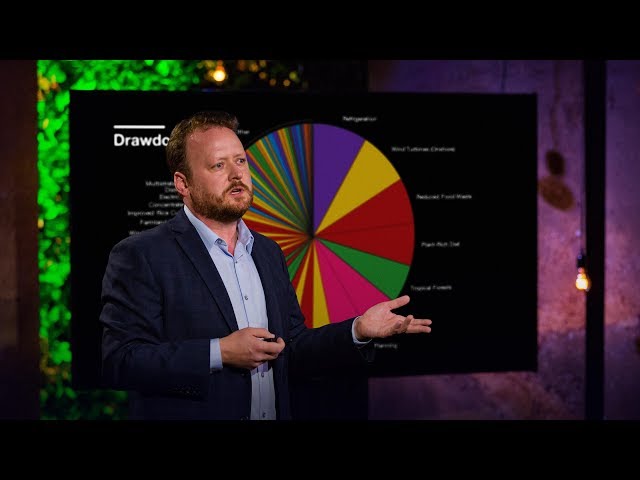
Strategist Chad Frischmann proposes "drawdown," a scenario where we remove more greenhouse gases than we emit, as our best hope to avert climate disaster. He highlights existing solutions, both conventional and innovative. These include widely recognized tactics like renewable energy and improved land management. Frischmann also emphasizes less common but impactful approaches, such as changes in food production, b...

We Mean Business Coalition and B Lab announce a new partnership to help companies accelerate greenhouse gas emission cuts. Join their CEOs on a LinkedIn Live event to mark this collaboration. This conversational event will explore businesses' central role in delivering climate solutions, achieving a just transition to net zero, and acting as a force for good. Tune in on May 4 at 1pm UTC to hear from Maria Mendiluc...

Despite scientific consensus on human-caused climate change, political rhetoric, such as President-elect Trump's "hoax" claim, emboldens denial. This fuels public anxiety over potential fossil fuel expansion and the reversal of climate progress, a significant shift from past bipartisan support. Join us for an informative look at how climate change became so divisive. Climate scientist Michael Mann and cartoonist T...

Dozens of Tasmanian shy albatrosses have received artificial nests to combat declining breeding success, a consequence of warming air temperatures. Scientists placed aerated concrete and mudbrick nests on Bass Strait’s Albatross Island, where birds struggle to find enough natural nesting material. These artificial nests provide a stable environment, boosting breeding success by 20% compared to natural nests....
Environmental Scientist and Advocate

