



REDOPA: Para que nadie se quede sin comida
United Nations Food and Agricultural organization
Lo que comenzó como una respuesta urgente al hambre durante la pandemia se ha convertido en un modelo de innovación gracias a la Red de Ollas de Pachacámac (REDOPA). Líderes comunitarios colaboran para combatir la inseguridad alimentaria en Lima, gestionando un banco de alimentos autogestionado y aplicando la economía circular para transformar insumos recuperados en productos como mermeladas y néctares.
REDOPA también promueve la soberanía alimentaria mediante biohuertos hidropónicos, panaderías comunitarias y la crianza de gallinas ponedoras. Este proyecto social empodera a la comunidad, que ahora es protagonista del cambio, garantizando raciones dignas y combatiendo la anemia infantil, demostrando que la organización colectiva puede crear un modelo solidario donde nadie se quede sin alimento.
You might also like

FAO's emergency and resilience work prioritizes community engagement, especially in anticipatory action. Early, inclusive community participation is crucial for timely, effective interventions that save lives and protect livelihoods before disasters strike. This animated film highlights how combining humanitarian aid with local knowledge empowers communities to lead culturally appropriate, sustainable solutions. I...

This video provides an overview of the right to adequate food, exploring its origins, significance, and how it addresses the root causes of hunger and food insecurity. It highlights its alignment with Sustainable Development Goals and the Zero Hunger initiative. Learn more on the FAO Right to Food page. Subscribe to our YouTube channel here. Follow FAO on social media: Facebook, Instagram, LinkedIn, TikTok, Twitte...

In this episode, Chief Economist Maximo Torero and David Laborde discuss key findings from The State of Food Security and Nutrition in the World (SOFI) 2026. Global hunger has decreased for the third year, but progress is uneven and fragile. The cost of a healthy diet has risen by 25% over the past five years, leaving one third of the global population unable to afford it. The discussion highlights structural fact...
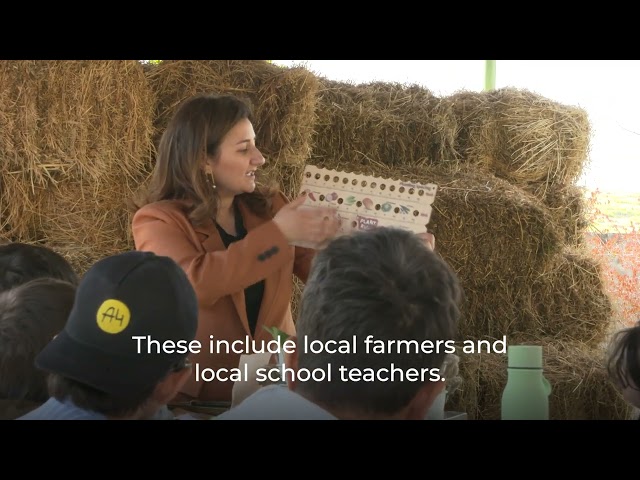
In Gala, Azerbaijan, an organic school garden, supported by FAO's Lifecycle Management of Pesticides project and financed by the Global Environment Facility, is transforming agricultural education. This "classroom without walls" engages local communities, including farmers and teachers, in organic farming practices. Children learn sustainable methods, sharing knowledge with families and creating a ripple effect. P...
Environmental Scientist and Advocate

