



EV batteries, bio-based materials, and the jobs nobody talks about | Circular Snapshots
Ellen MacArthur Foundation
This month features three significant circular economy stories. The World Economic Forum (WEF) reframes EV battery recycling as an industrial opportunity, not a waste challenge, projecting a $200 billion market for recycled critical minerals by 2050.
The Ellen MacArthur Foundation addresses the previously ignored policy agenda for bio-based materials like wood and natural fibers, advocating for their integration into a circular economy. Additionally, the International Finance Corporation (IFC) and development banks estimate 121 to 142 million circular economy jobs, with nearly half in repair and maintenance, and over half in the informal sector.
Further insights cover Scotland's material flows, Europe's critical mineral loss in waste streams, fashion resale and repair policies, and challenges in flexible packaging.
You might also like

This episode of the Circular Economy Show features the Ellen MacArthur Foundation team answering frequently asked questions about how the circular economy works. The Ellen MacArthur Foundation is an international charity promoting a circular economy. Driven by design, this model eliminates waste and pollution, circulates products and materials, and regenerates nature. Watch the full video for more insights. Subscr...

To eliminate packaging waste, we must prevent its creation. Join the #ReuseRevolution by embracing upstream innovation, a fundamental shift that rethinks packaging, products, and business models to deliver services without generating waste. Our new guide empowers marketers, designers, and engineers—both new and experienced—to implement upstream innovation. It offers tools and over 100 examples from diverse sectors...

Upstream innovation in a circular economy means tackling problems at their root to prevent waste. For instance, shifting just 20% of plastic packaging from single-use to reuse presents a $10 billion opportunity, benefiting both the environment and the economy. Highlights from a recent episode featured Apeel, which extends food life without single-use plastic, and Enviu, which shared reuse business models tackling ...
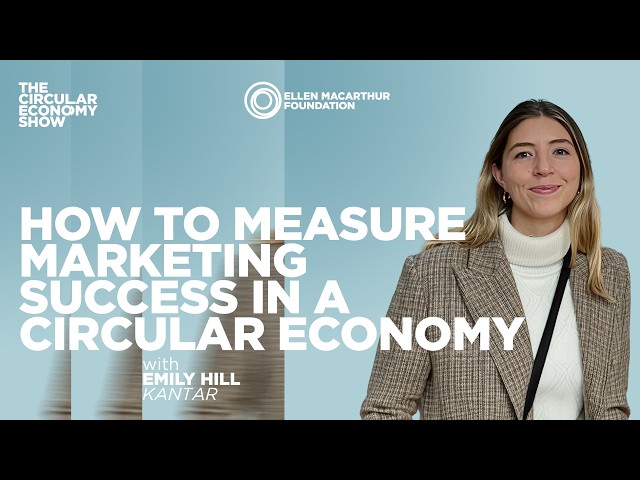
The circular economy enables products to be sold multiple times, driving revenue and shifting business focus from short-term profit to long-term strategic advantages. This model addresses challenges like climate change and waste. On The Circular Economy Show, Fin and Emily Hill (Kantar) discuss measurement guidance for marketing teams. They explore redefining success across commercial, brand, creative, and consume...
Environmental Scientist and Advocate

