




Special Collections:
Farming and Food Production
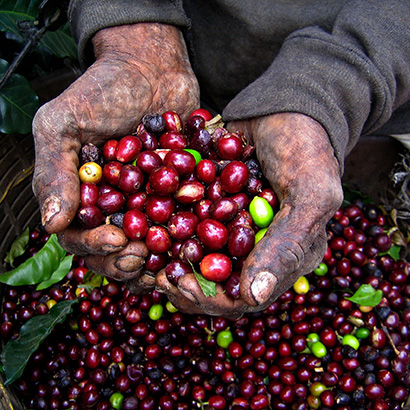

Building knowledge and skills is crucial for tackling challenges in animal, human, and environmental health. The FAO Virtual Learning Centers (VLCs) form a global network of regional hubs that offer high-quality, accessible learning tailored to local needs.
With over 150 courses and 45,000 participants from more than 200 countries, VLCs connect professionals with experts and peers through self-paced and blended courses. This initiative enhances One Health capacities worldwide. Learn more at the FAO VLC.
Subscribe to our channel here and follow us on Facebook, Instagram, LinkedIn, TikTok, X, and Weibo.

This video highlights the FISH4ACP program's efforts to combat gender-based violence in Zambia's Lake Tanganyika fishing communities. By collaborating with a travelling circus, the initiative addresses the issue of fish-for-sex and encourages locals to devise their own solutions. Additionally, it aims to alleviate economic pressures by helping women enhance the value of their fish, access better markets, and explore alternative income sources.
FISH4ACP, supported by the Organisation of African, Caribbean and Pacific States (OACPS) and implemented by the FAO with funding from the EU and BMZ, seeks to improve the productivity and sustainability of the small pelagics value chain in Zambia. This work contributes to poverty reduction, food safety, and the preservation of aquatic resources for future generations.

The video, intended for internal communication, will be featured on the OSP intranet page, replacing the longer version currently available. It outlines the Strategic Framework 2022 to 2031, which serves as FAO's roadmap for achieving the SDGs by transforming agrifood systems.
FAO has become more agile and aligned with the 2030 Agenda, enhancing coordination within the organization and with external partners. New implementation arrangements promote collaboration across disciplines and organizational layers as OneFAO, supported by an improved business model.
Subscribe to our channel: YouTube. Follow FAO on social media: Facebook, Instagram, LinkedIn, TikTok, X, Weibo.

بتمويل من الاتحاد الأوروبي، افتتحت منظمة الأغذية والزراعة للأمم المتحدة (الفاو) أول بنك للجينات/البذور في إقليم كردستان العراق بمحافظة السليمانية. يمثل هذا الإنجاز استثماراً طويل الأمد في مستقبل الزراعة في العراق.
يهدف البنك إلى صون الموارد الوراثية النباتية، دعم البحث العلمي والأمن الغذائي، والمساهمة في تطوير أصناف نباتية أكثر قدرة على الصمود أمام آثار تغير المناخ.
Subscribe! YouTube | Follow FAO on Facebook, Instagram, LinkedIn, TikTok, X, Weibo.

The Food and Agriculture Organization (FAO) of the United Nations, with funding from the European Union, has inaugurated the first Gene/Seed Bank in Sulaymaniyah, Kurdistan Region of Iraq. This initiative marks a significant investment in the future of agriculture in Iraq.
The Gene/Seed Bank aims to conserve Iraq’s plant genetic resources, enhance scientific research, and improve food security. It will also aid in developing plant varieties that are more resilient to climate change.
Subscribe to FAO on YouTube: FAO YouTube. Follow FAO on Facebook, Instagram, LinkedIn, TikTok, X, and Weibo.

In this video, soil scientist and artist Bruce Ball highlights the beauty of soil and the threats it faces, such as compaction and land degradation. His work reveals how compaction affects soil health and productivity, making the invisible visible through a blend of science and art. Presented at the Global Symposium on Soil Compaction, his artworks encourage us to appreciate our connection to soil through food and nature.
Subscribe to the channel here and follow FAO on social media: Facebook, Instagram, LinkedIn, TikTok, Twitter, Weibo. © FAO: fao.org #SDGs #Agenda2030 #GlobalGoals

In this video interview, Maher Salman discusses the FAO's collaboration with the UNCCD and GEF to enhance drought management in countries. This includes national drought planning, action prioritization, and investment portfolio development. At UNCCD COP17 and beyond, FAO aims to improve food security and create more efficient agrifood systems.
For more information, visit the FAO website. Subscribe to the FAO YouTube channel and follow FAO on social media: Facebook, Instagram, LinkedIn, TikTok, X, and Weibo.

Healthy agrifood systems rely on the well-being of people, animals, plants, and ecosystems. As challenges like climate change and food safety risks grow interconnected, coordinated action across sectors is essential. One Health offers a unified approach to enhance health and resilience in agrifood systems, preventing crises before they arise.
The FAO Global Conference for Actions on One Health in Agrifood Systems will take place at FAO headquarters in Rome from September 21 to 23, 2026. This event will gather global leaders and experts to promote the practical application of One Health, fostering healthier and more resilient agrifood systems for all. For more information, visit FAO.

In this video, Thorunn Wolfram, Secretary of the Global Soil Partnership (GSP), discusses key insights from the launch of the Status of the World’s Soil Resources 2026. This event took place during the 17th session of the UNCCD COP17.
Stay updated by subscribing to the FAO YouTube channel. Follow FAO on social media: Facebook, Instagram, LinkedIn, TikTok, X, and Weibo. © FAO: fao.org #SDGs #Agenda2030 #GlobalGoals

In the Indénié-Djuablin region of Côte d'Ivoire, farmers Sonia France and Victorine Akoua demonstrate how Village Savings and Loan Associations (AVEC), supported by the FAO's SAGA 2 project, bring climate finance closer to local communities. Through collective savings, loans, and technical support from the ANOUAZE Federation, women are investing in climate adaptation activities, enhancing their livelihoods, and implementing locally rooted adaptation solutions.
Subscribe to the FAO on YouTube: FAO Channel. Follow FAO on social media: Facebook, Instagram, LinkedIn, TikTok, X, Weibo.

In Côte d’Ivoire’s Indénié-Djuablin region, women farmers Sonia France and Victorine Akoua demonstrate how Village Savings and Loan Associations (VSLAs), supported by FAO’s SAGA 2 project, enhance access to climate finance. Through collective savings and loans, along with technical support from the ANOUAZE Federation, these women invest in climate adaptation and strengthen their livelihoods.
Stay connected with FAO by subscribing to their YouTube channel and following them on social media: Facebook, Instagram, LinkedIn, TikTok, X, and Weibo.

In this video interview, Gregorio Velasco Gil discusses the International Year of Rangelands and Pastoralists (IYRP2026), focusing on sustainable rangeland management and empowering pastoralist communities in restoration efforts. The FAO is committed to enhancing food security and improving agrifood systems at UNCCD COP17 and beyond.
For more information, visit the FAO website. Subscribe to the FAO YouTube channel here. Follow FAO on social media: Facebook, Instagram, LinkedIn, TikTok, X, and Weibo.

In this video interview, Xiangjun Yao highlights the importance of strong partnerships in transforming agrifood systems in Landlocked Developing Countries. At UNCCD COP17 and beyond, the FAO is committed to enhancing food security and creating more efficient agrifood systems.
For more information, visit the FAO website. Subscribe to the FAO YouTube channel here and follow FAO on social media: Facebook, Instagram, LinkedIn, TikTok, X, and Weibo.

In this video interview, Soalandy Rakotondramanga discusses the impact of degraded agricultural lands on food security, livelihoods, and resilience. The FAO and UNCCD have created new guidance aimed at preventing, reducing, and reversing agricultural land and soil degradation.
For more information, visit the FAO website. Subscribe to the FAO YouTube channel here and follow FAO on social media: Facebook, Instagram, LinkedIn, TikTok, X, and Weibo.

Kaveh Zahedi, FAO OCB Director, discusses the One Health approach, which links the health of people, animals, plants, and the environment. He emphasizes the need for biodiversity and coordinated efforts to address climate change, pollution, and ecosystem health to create resilient agrifood systems and enhance overall well-being.
Stay updated by subscribing to the FAO YouTube channel: Subscribe. Follow FAO on social media: Facebook, Instagram, LinkedIn, TikTok, X, and Weibo.

Food safety is crucial for food security; without safety, food cannot be considered safe for consumption. It connects animals, plants, humans, and the environment, playing a vital role in achieving the United Nations' 17 Sustainable Development Goals (SDGs).
Stay updated by subscribing to the FAO channel on YouTube. Follow FAO on social media: Facebook, Instagram, LinkedIn, TikTok, X, and Weibo. © FAO: fao.org #SDGs #Agenda2030 #GlobalGoals

Timely information is crucial for detecting and responding to animal disease threats. The FAO’s Event Mobile Application (EMA-i+) enhances animal disease surveillance by allowing health officials to report and validate disease events directly from the field. These reports are sent to national platforms for analysis, facilitating informed decision-making and coordinated action.
EMA-i+ connects with national and digital systems to support faster information exchange across animal, human, and environmental health. From initial field observations to national responses, EMA-i+ ensures that the right information reaches the right place at the right time. For more details, visit FAO EMA-i+.

Enrico Perotti, FAO IPPC Secretary, emphasizes that safeguarding plant health is crucial for our food supply, ecosystems, and future. The One Health approach, along with the IPPC, plays a vital role in preventing, detecting, and addressing plant health threats, thereby enhancing food security, promoting safer trade, and fostering resilient ecosystems.
Stay connected with FAO by subscribing to their YouTube channel: Subscribe. Follow FAO on social media: Facebook, Instagram, LinkedIn, TikTok, X, and Weibo.
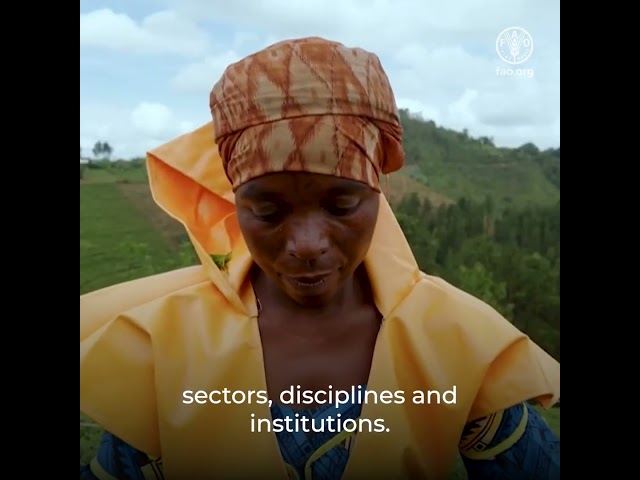
Yurdi Yasmi, NSP Director, emphasizes the importance of healthy plants for food security, nutrition, and resilient ecosystems. He advocates for a One Health approach that fosters collaboration across sectors to ensure sustainable plant health, protecting food, livelihoods, and the environment.
Stay connected with FAO by subscribing to their YouTube channel here. Follow FAO on social media: Facebook, Instagram, LinkedIn, TikTok, X, and Weibo.

Thanawat Tiensin, FAO ADG and NSA Director, emphasizes the need for a coordinated One Health approach to address interconnected challenges like animal diseases, food safety risks, climate change, and biodiversity loss. He underscores the importance of robust animal health systems in safeguarding food security, livelihoods, and human well-being.
Stay updated by subscribing to our channel: FAO YouTube. Follow FAO on social media: Facebook, Instagram, LinkedIn, TikTok, X, and Weibo.
Environmental Scientist and Advocate
What EarthSayers stands for
Discover Diverse Voices on EarthSayers
Unlike algorithm-driven platforms that push you into a content bubble, we ensure you hear a variety of perspectives from scientists, activists, Indigenous leaders, business innovators, and everyday citizens working toward sustainability.
EarthSayers CINEMA
Watch, learn and lead—sustainability starts with you.
How to Live on Earth | Feature Documentary | Presented by Benedict Cumberbatch
What if the solutions to building a better future already exist? How to Live on Earth is an ambitious documentary that explores how humanity can create a thriving future by collaborating with nature. Presented by Benedict Cumberbatch, the film reveals the potential of teaming up with nature to address our greatest challenges.
Heartwarming and energizing, it offers a hopeful vision for a future where both nature and humanity can thrive. How to Live on Earth is produced by Open Planet Studios in association with Villars Institute Foundation and Silvania. Join the conversation by downloading film assets and sharing your reaction at howtoliveonearth.net/social-toolkit. Explore educational resources from the Villars Institute at YouTube.


