




Showing 20 search results of 5,957 videos found for
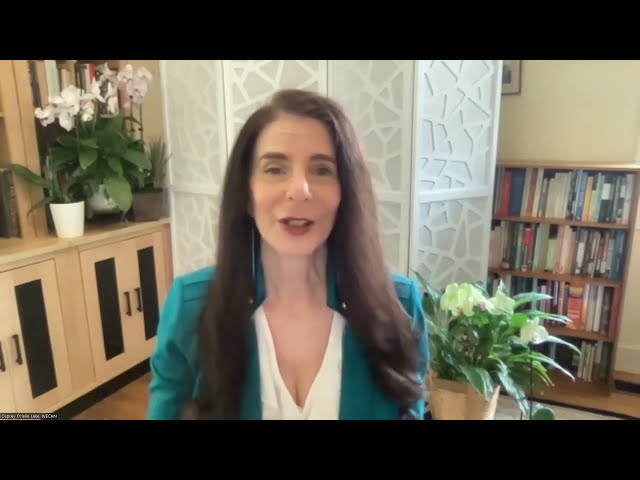
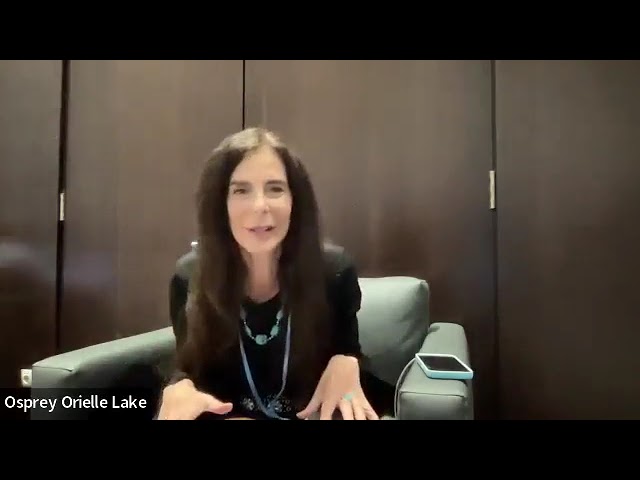
In June 2022, Osprey Orielle Lake delivered a presentation at Scenarios Forum Session 93.
Her talk, titled "Addressing the gender dimension in socioeconomic scenarios," explored policy and climate change impacts on gender equality, and gender equality's role as a driver of change.

Global women are at the forefront of movements and projects dedicated to building a healthy and just world. A recent event brought together grassroots women leaders and global advocates to address environmental degradation and the climate crisis.
They presented diverse strategies and solutions, including Indigenous rights, Rights of Nature, women's leadership, and food sovereignty, aimed at securing strong communities and a just planet for all generations. Speakers included Carmen Capriles, Dipti Bhatnagar, Jacqui Patterson, Neema Namadamu, Mitzi Jonelle Tan, Casey Camp Horinek, and Osprey Orielle Lake.
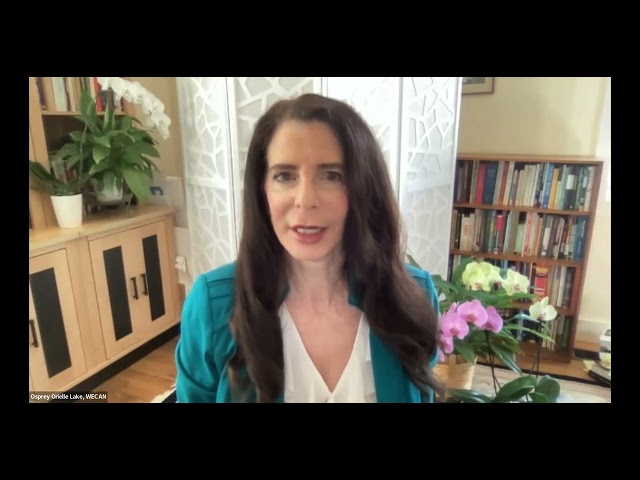
Indigenous women are leading global efforts to uphold Indigenous rights, sovereignty, and Free Prior and Informed Consent (FPIC) in interactions with financial institutions and corporations. These institutions often perpetuate human and Indigenous rights violations, particularly in extractive industries. A recent event highlighted the need for these entities to implement FPIC, Indigenous rights, and due diligence, while investing in climate justice solutions centered on Traditional Ecological Knowledge.
Given the climate crisis, respecting Indigenous knowledge, ways of life, and FPIC—including the right to say “no” to extraction—is paramount, as 80% of Earth's biodiversity remains on Indigenous lands. This discussion took place at a formal side-event of the United Nations Permanent Forum on Indigenous Issues 2022, featuring Indigenous women leaders and global advocates like Sônia Guajajara and Casey Camp-Horinek.

An Escazú COP1 Side Event brought together women policymakers, Indigenous leaders, and human rights defenders to address the critical challenges faced by women land defenders protecting their communities from extractive industries. Discussions highlighted the implications and opportunities presented by the Escazú Agreement, a historic multilateral treaty focused on safeguarding the rights and participation of land defenders.
Prominent figures, including Indigenous leaders from Ecuador and Brazil, along with environmental advocates, shared their insights. The event underscored the agreement's vital role in empowering these women and ensuring their crucial work in defending territories and human rights is recognized and supported.
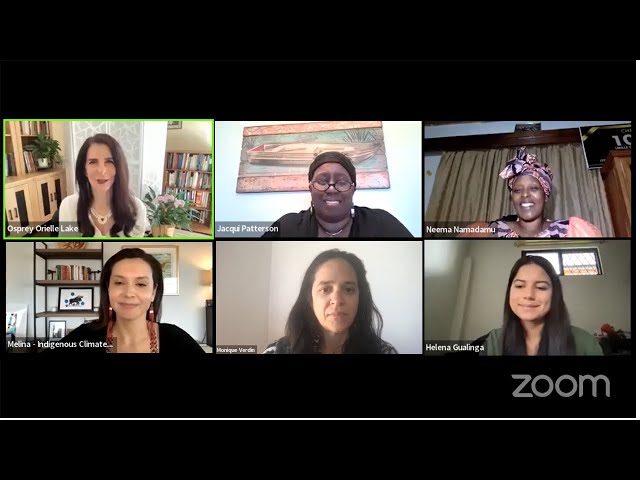
At the CSW66 side event, "Building Systemic Change: Frontline Women-Led Solutions for Climate Justice," Indigenous, Black, Brown, and frontline women leaders addressed multiple interlocking crises. They presented diverse climate justice strategies, including forest protection, Indigenous rights, food sovereignty, and community-led solutions.
Speakers featured Neema Namadamu, Monique Verdin, Jacqui Patterson, Melina Laboucan-Massimo, and Helena Gualinga. Their collective voices, analysis, and leadership are critical for building a resilient and just future. Event resources are available here.
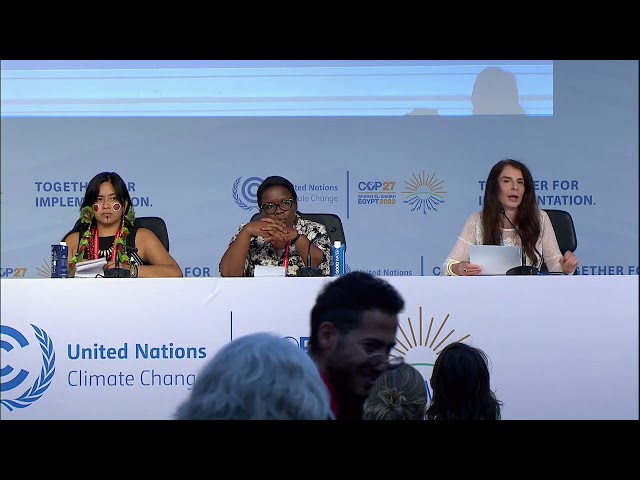
International women leaders convened a press conference to discuss feminist and women-led visions for a healthy, equitable future. They shared insights from global movements, examined the impacts of international climate policies, and proposed strategies and alternatives.
Speakers included Neema Namadamu (DRC), Casey Camp Horinek (USA), Anne Songole (FEMNET, Kenya), Taily Terena (Brazil), and Osprey Orielle Lake, Executive Director of the Women's Earth and Climate Action Network (WECAN).

Facing escalating climate and ecological crises, humanity seeks a new legal framework and economy based on living in balance with Earth, where human rights do not extend to dominating nature. The Rights of Nature movement offers a systemic solution, rapidly growing globally.
A recent press conference showcased how this framework protects biodiverse ecosystems, Indigenous sovereignty, and human rights. Advocates from organizations like WECAN and Health of Mother Earth Foundation shared insights.
During the event, a White Paper on the Legal Rights of Nature Framework, co-authored by WECAN, Movement Rights, and the Global Alliance for the Rights of Nature (GARN), was released. Read the report here.
Global movements are addressing the escalating climate crisis, with women and gender-diverse leaders amplifying their voices in response to COP27. This event featured direct reports from the negotiations, sharing critical insights, report releases, and urgent calls to action, alongside global women's demands, struggles, and solutions.
The diverse panel included leaders from Indigenous communities, youth activists, and environmental organizations worldwide. Representatives from groups like DIVA for Equality, Reacción Climática, Youth Advocates for Climate Action Philippines, The Chisholm Legacy Project, Amazon Watch, and the Women's Earth and Climate Action Network (WECAN) offered vital perspectives from most affected peoples and areas.

At a COP27 UN Side Event, "Women for Climate Justice" convened grassroots, frontline, and Indigenous women leaders with international climate justice organizations. They addressed the root causes of interlocking crises, advocating for solutions rooted in a climate justice framework.
Discussions highlighted crucial areas like forest and biodiversity protection, Indigenous rights, agro-ecology, and fossil fuel resistance. Speakers emphasized safeguarding women land defenders and promoting community-led solutions, showcasing diverse global leadership in climate action.

A COP27 press conference, "Accelerating a Feminist Green New Deal," highlighted the necessity of a cross-cutting approach to the climate crisis, firmly rooted in feminist principles and actively combating historical oppressions.
Organized by the Feminist Green New Deal Coalition, with WECAN as a founding member, the event featured speakers who discussed vital feminist policies and frameworks. These discussions aimed to advance just climate policies, emphasizing the integral role of feminist perspectives in effective climate action.

Indigenous women from the Amazon, leading global and local movements, issued urgent calls to action at a COP27 press conference. They highlighted ongoing efforts to protect their communities and territories from governments and corporations violating Indigenous and human rights through harmful extractive projects.
Speakers, including Sônia Bone Guajajara (Federal Deputy of Brazil) and Patricia Gualinga (Spokeswoman for Mujeres Amazónicas Defensoras de la Selva), demanded stronger Indigenous rights, forest and water protection, and global climate action.

Women leaders are developing critical strategies for national and international divestment from fossil fuels and deforestation. They advocate for a Just Transition, demanding accountability from financial sectors and governments to prioritize people and the planet.
During a WECAN press conference at COP27, speakers shared vital reports and strategies to end the fossil fuel era, support impacted communities, and address Indigenous rights. Featured speakers included Eriel Tchekwie Deranger (Indigenous Climate Action), Tzeporah Berman (Fossil Fuel Non Proliferation Treaty), Leila Salazar-López (Amazon Watch), and Osprey Orielle Lake (Women's Earth and Climate Action Network (WECAN)).

This event convened diverse women and gender-diverse leaders from grassroots to global levels, alongside advocates and policymakers. They shared insights on the climate crisis, COP27, and strategies for advancing just, community-led solutions to interlocking global challenges.
Notable speakers included Jacqui Patterson (The Chisholm Legacy Project), Diana Duarte (MADRE), Farhana Yamin (Chatham House), and Jade Begay (NDN Collective), who also served as moderator and is WECAN's Executive Director.
The event was part of the Women’s Earth and Climate Action Network (WECAN) three-day Climate Justice Forum, "Facing the Climate Emergency on the Road to COP27," held September 20-22.

WECAN is excited to announce the new Ponca Earthen Lodge Project for Food Sovereignty in Ponca Nation, Oklahoma. This vital initiative, led by Indigenous Ponca elder Casey Camp-Horinek and the Women's Society, addresses the escalating climate crisis and severe fossil fuel pollution impacting the region.
The traditional Earthen Lodge will provide a safe haven during extreme weather and climate disasters. It will also offer space to grow and store traditional foods using generational Indigenous knowledge, support cultural ceremonies, and address rising domestic violence.
Stay updated and learn more about the program here: https://wecaninternational.org/earthen-lodge-project

This UNPFII side event features global Indigenous women leaders who are upholding Indigenous rights and knowledge while leading climate solutions. They address the impacts of fossil fuels, deforestation, and the climate crisis on their communities, sharing how they implement solutions, practice traditional knowledge, and advance policies for care and climate justice.
The event includes prominent Indigenous women leaders from various nations and organizations across Turtle Island/USA, Nepal, Ecuador, and Canada. Osprey Orielle Lake, WECAN Executive Director, moderates the discussions.

At a virtual event parallel to the UNPFII, Indigenous women leaders from North America highlighted their critical role in defending biodiversity, human rights, and the global climate. They advocated for Indigenous rights, sovereignty, and Free, Prior, and Informed Consent (FPIC).
Speakers urged global governments and financial institutions to respect Indigenous knowledge, ways of life, and the right to say "no" to continued extraction. They stressed that this is paramount for addressing climate and environmental crises, presenting solutions grounded in Indigenous expertise for protecting communities and Mother Earth.

LANGUAGE INTERPRETERS
This virtual event, a formal side event of Escazú COP2 in 2023, convened women environmental and human rights defenders, policymakers, and feminist advocates.
Participants highlighted the challenges women face in securing human and Indigenous rights, accessing information, public participation, and justice, and protecting their lands and communities. They also explored opportunities presented by the Escazú Agreement.

On Earth Day 2023, WECAN is releasing a new video. It highlights global women leaders advocating against extraction and deforestation.
These leaders champion Indigenous and human rights, promoting vital community-led climate solutions.

The "Women for Climate Justice Leading Protection of Water" event, a formal side event of the UN Water Conference in New York City, addressed climate change impacts on global water. Grassroots leaders, water protectors, and international policy experts shared solutions and strategies for protecting aquatic ecosystems within a climate justice framework.
WECAN submitted a commitment and released a Call to Action, urging governments to improve water protection through a rights-based approach and by ensuring women's leadership. Read the Call to Action here. Additional event links and resources are available here.

The virtual event, "Global Voices and Women-Led Calls to Action in Response to COP28," took place on Sunday, December 10, 2023. During COP28, WECAN hosted this series to amplify the diverse voices of women leaders worldwide.
Throughout the conversation, women on the ground at COP28 reported on negotiations, shared highlights, released reports, and presented global women's calls to action and demands.
Environmental Scientist and Advocate
What EarthSayers stands for
Discover Diverse Voices on EarthSayers
Unlike algorithm-driven platforms that push you into a content bubble, we ensure you hear a variety of perspectives from scientists, activists, Indigenous leaders, business innovators, and everyday citizens working toward sustainability.
EarthSayers CINEMA
Watch, learn and lead—sustainability starts with you.
The Thinking Game | Full documentary | Tribeca Film Festival official selection
“The Thinking Game” is the inside story of DeepMind's groundbreaking AI research, culminating in the Nobel Prize-winning AlphaFold breakthrough. Filmed over five years by the award-winning team behind "AlphaGo," this documentary explores co-founder Demis Hassabis's lifelong pursuit of artificial general intelligence and the rigorous scientific journey from mastering strategy games to solving the 50-year-old protein folding problem.
Following its world premiere at the Tribeca Festival, "The Thinking Game" is now available to watch for free. For those interested in hosting a screening for a classroom, community, or workplace, visit: rocofilms.com/films/the-thinking-game/.


