




Special Collections:
Biodiversity

After weeks of protests, legal action, and public comments, the last shipping container from former Arizona Gov. Doug Ducey's rogue border wall was removed. This anti-immigrant symbol sliced through a vital wildlife corridor, impacting endangered jaguars and ocelots. The Center's Russ McSpadden called it "perhaps the only major border wall removed globally since the Berlin Wall." Taxpayers, however, still pay millions for Ducey's destructive stunt.
The Center for Biological Diversity is a 501c3 nonprofit dedicated to securing a future for all species. We protect lands, waters, and climate, believing human welfare is deeply linked to nature.
Learn more at biologicaldiversity.org or email center@biologicaldiversity.org.

Male mason wasps have evolved a unique defense: using spiked genitals to mimic a female's venomous sting. Lacking true stingers, males deter predators like tree frogs by faking one with spines on their reproductive organs. A 2022 study found this strategy 35% effective, compared to females' 87% escape rate with real stingers.
The Center for Biological Diversity is a Tucson-based 501c3 nonprofit. We secure a future for all species, believing human welfare is linked to nature's diversity. Through science, law, and media, we protect vital lands, waters, and climate. Visit our website, follow our socials (Twitter, Facebook, Instagram, TikTok), take action here, or email center@biologicaldiversity.org.

Scientists recently discovered bats, like Tuvan throat singers and death-metal vocalists, produce sound using ventricular folds instead of vocal cords. A Danish biologist found bats use these for low-frequency calls. With their ability to also make extremely high-pitched calls, bats possess an unparalleled vocal range. The Center for Biological Diversity argues this makes them more akin to grindcore vocalists, who utilize both very low and very high frequencies.
The Center for Biological Diversity, a 501c3 nonprofit, works to secure a future for all species through science, law, and creative media. Check out our video to hear biodiversity-loving grindcore artists and see brutally cute bats. Learn more at biologicaldiversity.org or email us at center@biologicaldiversity.org.

Scientists recently filmed octopuses throwing seashells and debris at each other, possibly for social reasons. This adds them to a select group of animals known to hurl objects. Females initiated most throws (66%), often during mating, with 17% hitting their underwater targets.
The Center for Biological Diversity is a 501c3 nonprofit based in Tucson, Arizona. We believe human welfare is deeply linked to nature and biodiversity. Through science, law, and creative media, we work to protect lands, waters, and climate, securing a future for all species on the brink of extinction.
Learn more and take action on our website. Follow us on Twitter, Facebook, Instagram, and TikTok. For inquiries, email center@biologicaldiversity.org.

After five years of legal action by the Center for Biological Diversity, the U.S. Fish and Wildlife Service finalized Endangered Species Act protection for the Dixie Valley toad. These extremely rare amphibians, previously under emergency protection, face acute threat from a geothermal power plant likely to dry up their critical hot springs. As the Center’s Great Basin Director Patrick Donnelly stated, "Renewable energy is essential to combating the climate emergency, but it can’t come at the cost of extinction."
The Center for Biological Diversity is a 501c3 nonprofit dedicated to protecting all species through science, law, and creative media, believing human welfare is deeply linked to nature's diversity. Learn more about this victory: biologicaldiversity.org/news. Explore the Center's work: biologicaldiversity.org.
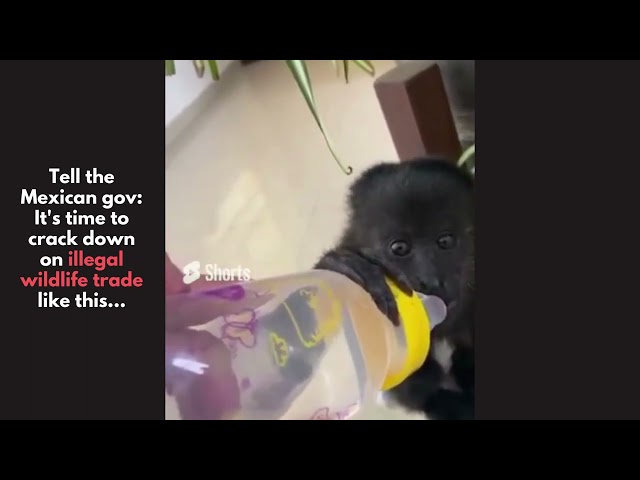
Mexico's rich biodiversity, home to howler monkeys and jaguars, is severely threatened by illegal wildlife trade. Thousands of animals are poached from their habitats annually, suffering and dying to be sold as exotic pets, often facilitated through social media.
An undercover investigation by the Center for Biological Diversity, a nonprofit, exposed widespread trafficking. Devastating footage of kidnapped baby howler monkeys, used to entice buyers, can be seen in this video. Learn more about this issue: biodiv.us/3Fe3gBq.
The Center works through science, law, and media to protect all species and their habitats, ensuring a wild world for future generations. For more information, visit our website: biologicaldiversity.org.

Watch a black bear cub's delightful first encounter with snow, captured on video with its mother during an urban stroll. This was likely the young bear’s first winter, a crucial period when cubs learn vital survival skills from their mother.
The Center for Biological Diversity, a 501c3 nonprofit, works to secure a future for all species by protecting the lands, waters, and climate they need to survive. We believe human welfare is deeply linked to nature's vast diversity.
Learn more at biologicaldiversity.org or contact us at center@biologicaldiversity.org.

This delightful video captures a bear cub's playful encounter with its first winter snow. Filmed with its mother during an urban stroll, the cub charmingly tries to catch falling snowflakes. (Video courtesy Ring.com, CC BY.)
The Center for Biological Diversity is a Tucson-based 501c3 nonprofit dedicated to protecting diverse wild species and their habitats. We believe human welfare is deeply linked to nature, working through science and law to secure a future for all species. Learn more at biologicaldiversity.org or contact us at center@biologicaldiversity.org.

Watch an interview with Jean Su, director of the Center's Energy Justice program, conducted during the COP27 summit in Egypt.
The Center for Biological Diversity is a Tucson-based 501c3 nonprofit. We work to secure a future for all species, believing human welfare is deeply linked to nature's vast diversity. Through science, law, and creative media, we protect the lands, waters, and climate essential for survival.
Learn more and take action at our website. Connect with us on Twitter, Facebook, Instagram, and TikTok. For inquiries, email center@biologicaldiversity.org.

Horseshoe crabs, ancient survivors for half a billion years, are crucial to our ecosystem. Their annual egg deposits along the Atlantic Coast provide vital food for endangered species like red knots, fueling their 9,500-mile migration. The Center for Biological Diversity secured protection for these shorebirds in 2014.
Now, a commission proposes increasing commercial horseshoe crab harvest limits, including females. We oppose this. These creatures support countless species; we cannot let them disappear. Read more: https://biodiv.us/3FWWrq1. The Center is a 501c3 nonprofit dedicated to protecting all species. Find us at biologicaldiversity.org or email center@biologicaldiversity.org.

The Endangered Species Mural project in Tulsa, by artist Roger Peet, features the American burying beetle. These unique insects are efficient recyclers, known for burying small animal carcasses to feed their larvae. Once common, they are now rare. The Center for Biological Diversity works to prevent their extinction. Learn more about American burying beetles here and the Mural Project here.
The Center for Biological Diversity is a 501c3 nonprofit securing a future for all species. Believing human welfare is linked to nature's diversity, we use science, law, and media to protect vital habitats. Visit our website or email center@biologicaldiversity.org for inquiries.

Five endangered red wolf pups underscore the urgent need to save this species from extinction. With fewer than 20 known in the wild, red wolves are among the world's most endangered carnivores. A new draft recovery plan, proposed by the Fish and Wildlife Service in September 2022, offers a crucial step forward after 32 years.
The Center for Biological Diversity, a 501c3 nonprofit, believes human welfare is deeply linked to nature and biodiversity. We work through science, law, and creative media to protect species on the brink of extinction, ensuring a future where the wild thrives. Learn more and take action at biologicaldiversity.org.

Washington's recovering wolf population faces flawed state management. Despite public support, the state wildlife agency, influenced by the livestock industry, continues lethal wolf management and defied Governor Inslee's reform orders. This approach lacks accountability, transparency, and science-based nonlethal strategies.
Learn from experts Amaroq Weiss, Claire Loebs Davis, and Samantha Bruegger how to transform Washington into a leader for wolf conservation. The Center for Biological Diversity, a 501c3 nonprofit, protects species through science and law.
Find us at biologicaldiversity.org, on Twitter @CenterForBioDiv, or email center@biologicaldiversity.org.

The Sonoran Desert National Monument, a biodiverse haven for endangered species, is severely damaged by target shooting. Despite the Bureau of Land Management's own findings of harm to wildlife, Indigenous sites, and human health, 90% of this precious area is now littered with toxic lead ammo and makeshift targets, destroying ancient saguaros and petroglyphs. The Center for Biological Diversity works to protect such vital lands and species from extinction.
As a 501c3 nonprofit, we believe human welfare is deeply linked to nature's diversity. Learn more, take action, and support our mission at biologicaldiversity.org. For inquiries, email center@biologicaldiversity.org.

Diamondback terrapins, keystone species of Atlantic and Gulf coasts, are wild treasures threatened by crab traps. The Center for Biological Diversity and allies secured Florida rules protecting them from collection and recreational blue crab traps.
The Center for Biological Diversity, a 501c3 nonprofit, works to secure a future for all species. Believing human welfare is deeply linked to nature's diversity, we use science, law, and creative media to protect the lands, waters, and climate essential for survival.
Connect with us for action or information: Website | Twitter | Facebook | Instagram | TikTok. Email questions to center@biologicaldiversity.org.

Polar bears typically prey on beluga whales near ice floes. However, recent fascinating footage from the Center’s Brett Hartl reveals a different interaction in open water, where belugas appear unafraid. This unusual encounter is incredible to witness.
The Center for Biological Diversity is a 501c3 nonprofit dedicated to securing a future for all species. We believe human welfare is linked to nature's diversity, working through science, law, and media to protect vital habitats. Learn more and take action at our website, or contact us at center@biologicaldiversity.org.
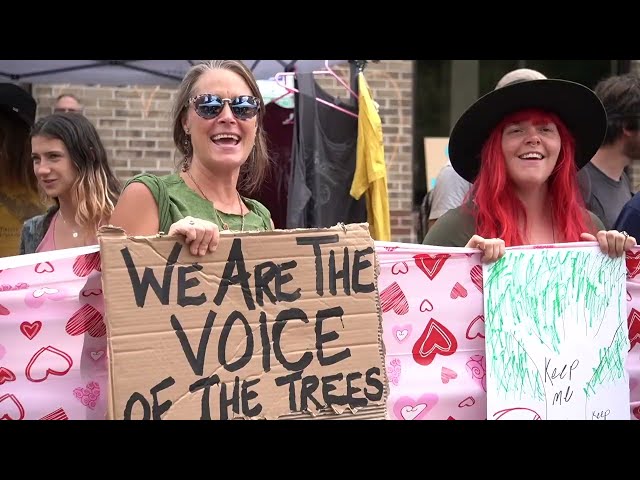
The Center for Biological Diversity recently rallied in Asheville, NC, advocating for stronger safeguards for the Pisgah-Nantahala National Forest, a biodiversity hotspot. Over 300 attendees submitted 34,000 public comments urging improved management, reflecting the message: "We love Pisgah, and we want to see more of it protected."
The Center for Biological Diversity is a 501c3 nonprofit protecting species and habitats, believing human welfare is linked to nature's diversity. We use science, law, and media to secure a future for all species. Learn more or take action via our website, Twitter, Facebook, or action alerts. For inquiries, email center@biologicaldiversity.org.

Brett Hartl, Government Affairs Director at the Center for Biological Diversity, built an artificial stream in his Arizona backyard. This vital watering hole supports wildlife like mountain lions, bobcats, bears, and deer, especially as drought and development reduce natural water sources. A video captures a mountain lion drinking from the stream.
The Center for Biological Diversity is a 501c3 nonprofit dedicated to protecting species and their habitats. Through science, law, and creative media, they work to secure a future where wild animals and plants thrive, recognizing the deep link between human welfare and nature's diversity.
Explore their work and take action: [Website](https://www.biologicaldiversity.org/), [Twitter](https://twitter.com/CenterForBioDiv), [Facebook](https://www.facebook.com/CenterforBioDiv/), [Instagram](https://www.instagram.com/centerforbiodiv/), [TikTok](https://www.tiktok.com/@centerforbiodiv/), [Action Alerts](https://www.biologicaldiversity.org/action/alerts/). For inquiries, email center@biologicaldiversity.org.

Increased human activity, urban sprawl, and development are pushing endangered species like mountain lions, panthers, and manatees to the brink. Recent incidents, including the death of California mountain lion P-78 from rat poison and vehicle impact, and 14 Florida panther fatalities this year due to collisions, underscore this critical threat.
The Center is a leader in establishing wildlife connectivity across the nation. Join our expert staff in California and Florida to discuss our vital work in protecting wildlife where they live.

The deaths of mountain lion P-78 from rat poison and a vehicle strike, alongside 14 Florida panthers killed by vehicles this year, underscore a critical threat. Endangered species like mountain lions, panthers, and manatees are pushed to the brink by increased human activity, habitat loss, urban sprawl, and a lack of wildlife corridors.
The Center for Biological Diversity leads efforts to establish vital wildlife connectivity across the nation. Join our expert staff in California and Florida to learn more about our work protecting wildlife where they live.
Environmental Scientist and Advocate
What EarthSayers stands for
Discover Diverse Voices on EarthSayers
Unlike algorithm-driven platforms that push you into a content bubble, we ensure you hear a variety of perspectives from scientists, activists, Indigenous leaders, business innovators, and everyday citizens working toward sustainability.
EarthSayers CINEMA
Watch, learn and lead—sustainability starts with you.
How to Live on Earth | Feature Documentary | Presented by Benedict Cumberbatch
What if the solutions to building a better future already exist? How to Live on Earth is an ambitious documentary that explores how humanity can create a thriving future by collaborating with nature. Presented by Benedict Cumberbatch, the film reveals the potential of teaming up with nature to address our greatest challenges.
Heartwarming and energizing, it offers a hopeful vision for a future where both nature and humanity can thrive. How to Live on Earth is produced by Open Planet Studios in association with Villars Institute Foundation and Silvania. Join the conversation by downloading film assets and sharing your reaction at howtoliveonearth.net/social-toolkit. Explore educational resources from the Villars Institute at YouTube.


