




Special Collections:
Forests and Oceans
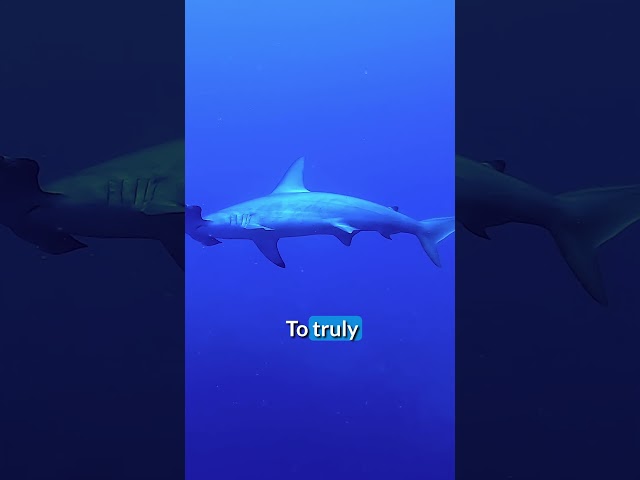
Sharks are facing significant challenges, but we can work together to protect these remarkable creatures.
It's #SharkWeek, an ideal opportunity to discover the importance of sharks and how we can safeguard them and their ocean habitat. Dive in at https://oceana.ly/4bkRc2m.


Did you know that mobula rays have wing-like fins that enable them to leap out of the water? This unique ability has earned them the nickname "flying rays!"
To learn more about these fascinating high-flying fish, visit Oceana.

Clownfish are among the most devoted fathers in the ocean. While the female defends their territory, the male diligently guards the eggs until they hatch.
#clownfish #animalfacts #animaldads
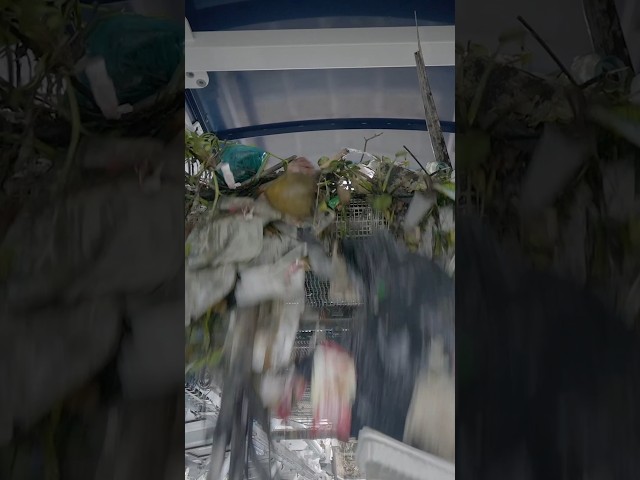
We've removed millions of kilograms of trash from rivers and oceans worldwide.
But what happens to it after collection? We do everything we can to address this issue. Learn more in the full video.

In our mission to eliminate plastic from the oceans, we collaborate with local partners to develop responsible waste management solutions tailored to specific environments. This approach not only addresses the waste but also allows us to create products that raise awareness about plastic pollution and fund cleanup efforts.
Our video covers various topics, including our first product made from ocean plastic, the Ocean Cleanup sunglasses, and case studies from locations like Los Angeles and Panama City. We also discuss how we transform river trash into valuable resources, such as the Coldplay LP. Stay updated by subscribing to our YouTube channel: YouTube. Learn more at The Ocean Cleanup.

Discover the intriguing world of marine motherhood with Ana Silverio from Oceana's Science team. Learn how dolphin moms use a form of "baby talk" and how some octopus mothers guard their eggs for over four years. Silverio explores how these mothers communicate, teach, and protect their young while highlighting the threats posed by human activities like ocean pollution and climate change.
Stay connected with Oceana by subscribing for more videos at https://oceana.ly/subscribe. Join the movement as a Wavemaker at https://oceana.ly/4rGhn8Z. Follow Oceana on Facebook, Instagram, X, and TikTok.

Tuna do more than swim across oceans; they connect countries. Dr. Kathryn Matthews, Oceana's Chief Scientist, discusses the importance of global cooperation in managing tuna populations.
Long migrations of tuna necessitate collaborative efforts to maintain healthy stocks and ensure sustainable fishing practices for the future.

Update from Mumbai 🇮🇳: Interceptors 026 and 027 are now operational in Malad and Trombay waterways, installed in collaboration with the Brihanmumbai Municipal Corporation, the Maharashtra Pollution Control Board, and Plastic Fischer.
As monsoon rains begin, we are optimizing waste interception processes with our partners and engaging local communities through United Way Mumbai. Special thanks to AT Capital Pte Ltd / Experion Developers Pte Ltd and Optiver Global for their support. Mumbai is part of our 30 Cities Program, aiming to cut plastic emissions from rivers into the ocean by one-third by the decade's end. Stay tuned for updates!

Sea otters were once heavily hunted for their fur, leading to a dramatic decline in their population to just a few thousand by the 1900s. However, the Endangered Species Act has played a crucial role in their recovery.
This video highlights five marine animals that have benefited from the protections of the Endangered Species Act in the U.S. Join us in supporting this vital law and defending endangered species at oceana.ly/ESA.

We collaborate with local organizations to address the unique challenges of each river and country, enhancing our impact within communities.
Through educational initiatives, our partners raise awareness of plastic pollution and promote sustainable, locally driven solutions.

Sharks are remarkable creatures with a lineage spanning over 420 million years. Join Marine Scientist Alex Aines from Oceana as she shares five incredible facts about these ocean predators, including the 500-year-old Greenland sharks and bull sharks that swim in rivers. Learn why sharks are vital for maintaining balanced marine ecosystems.
Unfortunately, many shark populations face threats from overfishing, habitat loss, and poor fisheries management. Discover how you can help protect these essential species by visiting Oceana. Don't forget to subscribe to Oceana for more videos and become a Wavemaker to advocate for ocean conservation. Follow Oceana on Facebook, Instagram, X, and TikTok.

The saltwater crocodile is the largest living reptile, known for having the strongest documented bite in the animal kingdom.
Discover more about these impressive creatures in our Marine Life Encyclopedia.

In the coming six weeks, our team will test the Smart Steering Strategy, which integrates data from ocean models, GPS, and aerial drones, in the Pacific Ocean to enhance predictions of plastic accumulation.
By pinpointing high-density plastic hotspots, we aim to optimize our plastic removal efforts. Stay tuned for updates, insights, and behind-the-scenes moments from the expedition!

In 2021, Coca-Cola ceased selling refillable glass bottles in Samoa, opting for single-use plastic bottles instead. This shift poses a significant environmental challenge, as Samoa lacks adequate recycling facilities, leading to increased pollution in the ocean.
Recently, members of the Samoan and Pacific Islander communities gathered in London to urge Coca-Cola's largest bottler to protect the ocean and reinstate reusable packaging. They emphasize that Coca-Cola has the solutions needed to address this issue. Join the call for change by signing the petition at oceana.ly/Coca-Cola.


The deep sea, characterized by complete darkness, is home to a vast and fragile ecosystem. It teems with an array of colorful marine life, much of which remains undiscovered.
Despite its hidden nature, this unique environment faces increasing threats. As governments and companies accelerate deep-sea mining efforts, Oceana is actively working to defend these vital habitats.

Broadclub cuttlefish are remarkable masters of disguise, capable of instantly changing their body patterns. They have been observed displaying up to 13 distinct designs, adapting their appearance at will.
Discover more about these fascinating mollusks in our Marine Life Encyclopedia: oceana.ly/4azTla1

Addressing ocean plastic pollution involves a multi-faceted strategy. We prevent plastic from reaching the ocean by scaling river operations through our 30 Cities Program. Concurrently, we develop drone and AI technologies to efficiently detect plastic hotspots within the Great Pacific Garbage Patch, optimizing cleanup efforts.
Our work also includes researching discarded fishing gear to identify the most effective solutions. Additionally, once our Interceptors are operational, we clean legacy pollution from coastlines, restoring these environments and preventing stranded plastic from re-entering the ocean.

Coral reefs, often called "rainforests of the sea," surprisingly thrive in nutrient-poor ocean deserts. Despite these challenging conditions, they host a quarter of the world's marine fish species.
Dr. Kathryn Matthews, Oceana's Chief Scientist, explains how these vibrant ecosystems sustain such incredible biodiversity.
Environmental Scientist and Advocate
What EarthSayers stands for
Discover Diverse Voices on EarthSayers
Unlike algorithm-driven platforms that push you into a content bubble, we ensure you hear a variety of perspectives from scientists, activists, Indigenous leaders, business innovators, and everyday citizens working toward sustainability.
EarthSayers CINEMA
Watch, learn and lead—sustainability starts with you.
How to Live on Earth | Feature Documentary | Presented by Benedict Cumberbatch
What if the solutions to building a better future already exist? How to Live on Earth is an ambitious documentary that explores how humanity can create a thriving future by collaborating with nature. Presented by Benedict Cumberbatch, the film reveals the potential of teaming up with nature to address our greatest challenges.
Heartwarming and energizing, it offers a hopeful vision for a future where both nature and humanity can thrive. How to Live on Earth is produced by Open Planet Studios in association with Villars Institute Foundation and Silvania. Join the conversation by downloading film assets and sharing your reaction at howtoliveonearth.net/social-toolkit. Explore educational resources from the Villars Institute at YouTube.


